Buffett's Successor Rewrites Berkshire's Script: Alphabet Leapfrogs Coca-Cola
Greg Abel's first Berkshire moves: a $17bn Alphabet bet, trimming Bank of America, and a new tech-led era.
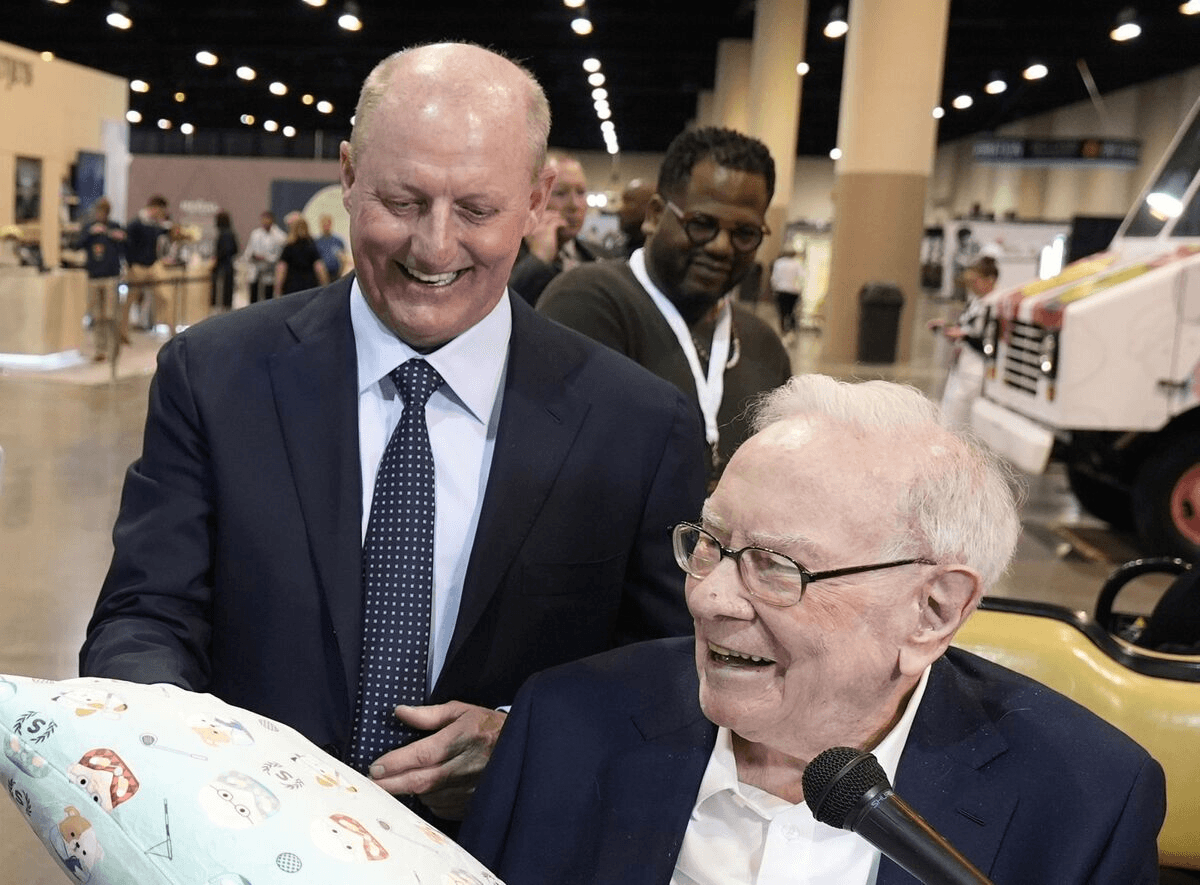
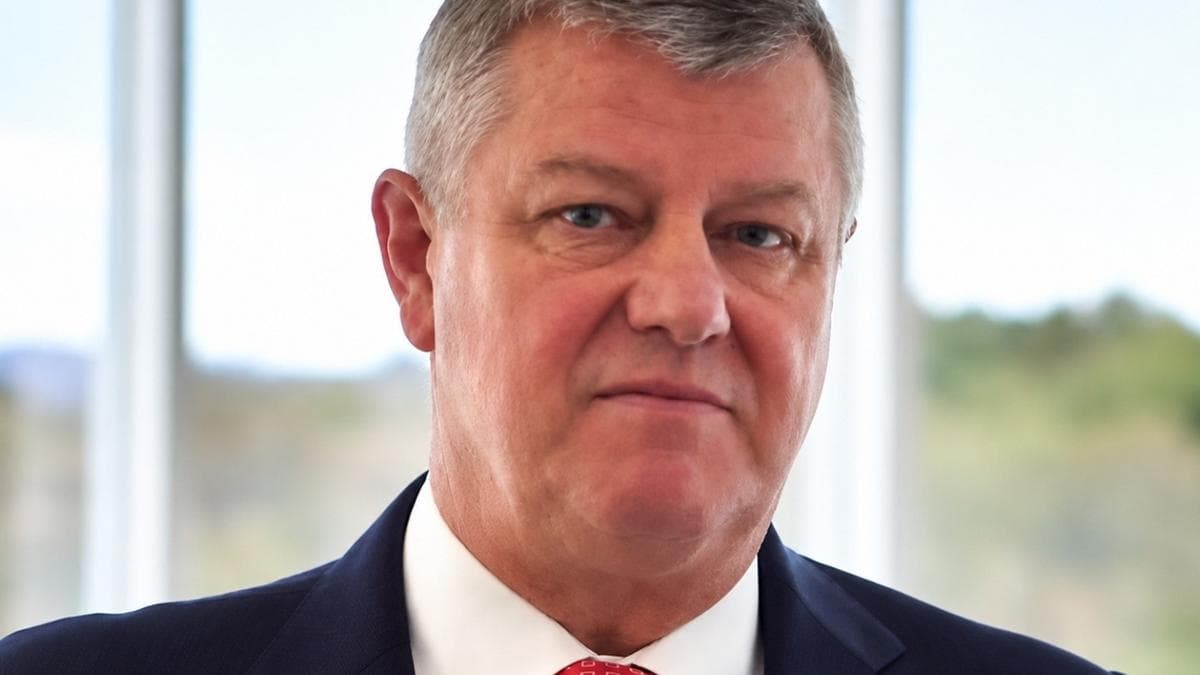
For decades, the Berkshire Hathaway portfolio was a museum of Warren Buffett's favourite certainties: railroads, insurance, and an unshakeable love of sugary brown water. Now the curator has changed. When Greg Abel formally took the chief executive's chair on December 31, the trillion-dollar conglomerate began its first true post-Buffett chapter — and the new boss is not tiptoeing around the exhibits. His opening act: a $17 billion wager on Alphabet, Google's parent company, that has shoved Coca-Cola off Berkshire's podium and into fourth place. For anyone tracking where the world's most-watched value investor is parking capital, that is not a footnote. It is a declaration.
Abel moved fast. In the first quarter, he slashed 16 holdings from Berkshire's $359 billion equity book, clearing the decks. By the second quarter, he had authorised the purchase of Alphabet Class A and Class C shares — including a $10 billion private placement — and by late August, the position had officially overtaken Coca-Cola to become Berkshire's No. 3 holding. The logic is not hard to decode. Alphabet commands between 89% and 93% of global search traffic, a monopoly so durable it has become infrastructure. Google Cloud revenue jumped 82% last quarter, a signal that the company is now a serious contender in the AI hardware and cloud arms race, not just a search engine with a side hustle. Abel is effectively betting that the digital backbone of the modern economy will out-earn the fizzy-drink empire that defined Buffett's later years.
To understand why this matters, you have to appreciate what Coca-Cola meant to Berkshire. Buffett bought in 1988 at $3.25 per share, and never sold. The stock still yields a dividend that returns a staggering 65% on that original cost — a monument to patience and brand loyalty. Coke was not just an investment; it was a philosophy. Abel is keeping the holding, which tells you he is not dismantling the shrine. But by letting Alphabet climb above it, he is signalling that the old certainties — consumer staples, banking bargains, the American household's weekly shopping basket — are no longer the automatic centre of gravity. The new Berkshire is looking at cloud computing, artificial intelligence, and the companies that power the machines we all depend on without thinking.
Bank of America tells the same story from the other direction. Berkshire has been quietly trimming its BofA stake for eight consecutive quarters. Buffett's original 2011 purchase was a classic value play — the bank was trading at a 62% discount to book value after the financial crisis, a distressed asset with a moat. Today it trades at a 59% premium to book, which means the easy money has been made. Abel is not panicking; he is rebalancing. He is selling what has become expensive and buying what he believes will compound for the next two decades. That is textbook Berkshire discipline, but the target has changed. Apple was the centrepiece of Buffett's last decade; Alphabet looks set to be Abel's signature bet.
For an international reader watching African capital markets, this shift carries a quiet warning and a loud lesson. The lesson: the world's most conservative money manager now treats AI infrastructure as a permanent holding, not a speculative trade. If Berkshire Hathaway is moving billions into search, cloud, and machine intelligence, then sovereign funds, family offices, and pension managers across Africa should be asking what portion of their own portfolios is exposed to the digital economy. The warning is more uncomfortable. Coca-Cola's decline in the pecking order is not about Coke failing — it is about the global economy's centre of value moving from what we consume to what we compute. African economies still lean heavily on commodities, consumer goods, and banking. The companies that thrive will be those that recognise the shift early, whether that means investing in local data centres, AI startups, or the fibre networks that make them possible.
Abel has not torn up the Buffett playbook; he has updated its chapter headings. Coke stays, because some things are permanent. But the new No. 3 holding is a bet that the next great fortunes will be built on algorithms, not syrup. For the rest of the world — including the investors, entrepreneurs, and policymakers watching from Lagos, Nairobi, and Johannesburg — the message is plain: the era of the passive consumer is giving way to the era of the active machine. Berkshire's money is going where the future actually lives. The question is whether the rest of us are following, or still drinking the last century's cola.