Britain's Sewage Crisis Is Now a Coastal Property Problem
As raw sewage discharges surge along England's coastline, affluent seaside towns like Brighton face a new kind of wealth risk: falling property values, struggling tourism, and a widening gap between prime coastal living and the reality of polluted waters. For investors and homeowners, the message is clear—clean water is now a premium asset, and its absence is a growing liability.
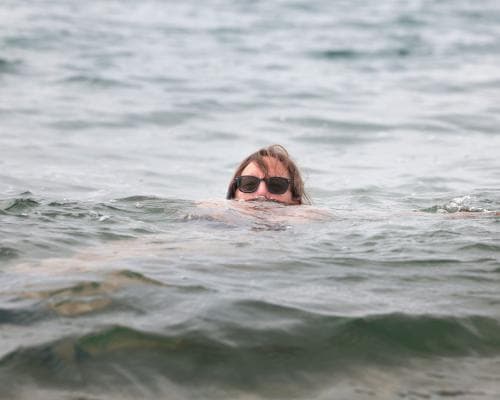
There's a new kind of tide rolling into Brighton, and it's not the one surfers check. It's a tide of data—sewage alerts, overflow warnings, and pollution advisories—that has become as crucial to coastal living as the weather forecast. Jo Armstrong, 75, a daily swimmer from Lewes, sums up the fury of a generation that paid premium prices for sea views and salt air: "There's a tiny bit of rain and then the sewage comes. It's extraordinary that we can't have clean beaches." Her anger isn't just about a ruined swim; it's about the devaluation of a lifestyle that Britain's wealthiest have long taken for granted.
This summer, as England sweltered through record heatwaves, the country's beaches became the stage for a very modern financial drama. Brighton, a town whose property prices have historically commanded a premium for its pebbled shore and bohemian charm, has seen 158 sewage alerts in 2025 alone—two in August alone. That's not just an environmental statistic; it's a market signal. For wealth managers and property investors, the message is stark: coastal real estate is no longer a guaranteed safe haven. The very asset class that boomed during the pandemic—when the wealthy fled cities for seaside retreats—is now exposed to a new kind of risk: infrastructure decay.
The mechanics of this crisis are as unglamorous as they are costly. Britain's water system, much of it built in the Victorian era, combines rainwater and sewage in a single pipe network. When heavy rains hit—and they do more frequently now—the system overloads, and untreated sewage is dumped into rivers and seas. The result is a public health hazard that's become a reputational and financial liability. For towns like Brighton, the stakes are enormous. Tourism, hospitality, and the lucrative second-home market all depend on the perception of clean, safe waters. When that perception cracks, so does the local economy. Hildi Mitchell, who runs the Pool to Pier program teaching open-water swimming, says pollution is now the primary barrier for her clients. "There are swimmers who have swum with us in the pool all year round but won't come out in the sea in the summer because they're worried about becoming ill," she says. That fear is rational—and it's priced into everything from beachfront rentals to the viability of water sports businesses.
For the wealthy, this crisis cuts both ways. On one hand, the scarcity of clean coastal water is creating a new premium for the few spots that remain pristine. On the other, it's exposing the fragility of investments that were once considered blue-chip. Property in Brighton's most desirable postcodes—Kemp Town, the Marina, the cliffs of Saltdean—has historically held its value through thick and thin. But now, a sewage alert is as much a part of the due diligence as a structural survey. As one local estate agent told me, "Buyers ask two questions now: How close is the nearest school, and how many times has the beach been closed this year?" That shift is seismic. It means the calculation of coastal living has changed from lifestyle choice to risk assessment.
The capital angle is equally stark. The UK's water companies, many of them privatized and loaded with debt, are facing mounting pressure from regulators, environmental groups, and now, crucially, investors. Friends of the Earth's recent ranking of water companies by environmental damage is a black mark on the sector's reputation—and a warning to pension funds and sovereign wealth vehicles that hold water utility bonds. The cost of fixing the infrastructure is estimated in the hundreds of billions. Who pays? Either through higher water bills, which hit consumer spending, or through government bailouts, which hit taxpayers. For the wealthy, this is a classic case of externalized costs becoming internalized risks. The sewage in Brighton's waters isn't just a health issue; it's a balance-sheet issue.
Looking ahead, the smartest capital is already repositioning. Coastal towns that invest in separate stormwater systems, wetland filtration, and beach monitoring will become the new gated communities—clean water as a luxury good. Meanwhile, those that lag will see their premiums erode. For the individual swimmer like Jo Armstrong, the frustration is personal. For the market, it's a signal: the era of unquestioned coastal property values is over. The next decade will separate the waterfront winners from the sewage-soaked losers, and the smart money is already reading the tide.
For now, Brighton's beaches are still packed on sunny days, the deckchairs still rent for a premium, and the ice cream queues still stretch down the pier. But beneath the surface, a quieter transaction is happening. Families are checking the sewage alert app alongside the UV index. Investors are recalculating the risk premium on seaside assets. And the wealthy, as ever, are leading the charge—not to the beach, but to the data. Clean water is the new gold, and Britain is running out of it.