Britain’s Gas Gambit: The Hidden Infrastructure Crisis the Wealthy Should Watch
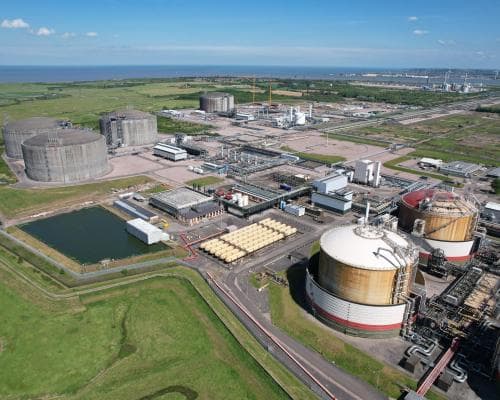
Imagine a cold snap in early 2030. The wind dies, the sun sets early, and the country’s three LNG terminals—the only gateways for imported gas—are running at full tilt. One hiccup, one technical fault, and the lights flicker in Mayfair and the Cotswolds alike. This isn’t a dystopian fantasy; it’s the stark warning from Britain’s energy system operator, a report that has finally jolted ministers out of their complacency. For the ultra-wealthy, energy security is the new gold standard—a quiet, unglamorous asset that underpins every smart home, private jet hangar, and art collection. And right now, Britain is gambling with it.
The numbers are sobering. Twenty-four million households still cook and heat with gas, and despite the push for heat pumps, adoption is sluggish at best. Gas still supplies about a third of the UK’s total energy needs, and while annual consumption is falling, peak winter demand remains as ferocious as ever. The problem? North Sea production is dwindling—down to roughly 40% of supply—and the country’s storage capacity is embarrassingly thin. The default assumption for decades has been that the market will sort it out. But the November report from the energy system operator shattered that illusion, highlighting an “emerging risk” if one of the three LNG terminals goes offline during a cold snap. The government’s response? An interim report, heavy on analysis, light on action. Energy minister Michael Shanks talks of responsibility to households and industry, but no timetable, no concrete plan, and no decision on whether to back Centrica’s £2bn Rough storage site revival or invest in new floating import terminals.
Here’s where the luxury lens sharpens. For the discerning investor, energy infrastructure is the ultimate heritage asset—not flashy, but foundational. The Rough facility, a depleted gas field off the Yorkshire coast, could be regenerated, but £2bn doesn’t materialize overnight. Neither do onshore storage caverns or offshore floating terminals. This is craftsmanship on a geological scale, where the engineering is as meticulous as a bespoke timepiece, and the lead times are just as unforgiving. The government’s dithering is like a collector refusing to commission a piece because they can’t decide between a Patek and an Audemars—while the auction house closes. Jon Butterworth, chief executive of National Gas, warned back in February that “swift and decisive action” is needed for near-term challenges, but nobody can say what’s actually been done. Centrica isn’t even injecting gas into Rough this year because the economics don’t work. Britain will enter winter with less backup than a debutante’s first ball.
For the wealthy, this isn’t just about keeping the radiators warm. It’s about the signal it sends on the luxury market’s most underrated commodity: reliability. When energy supply becomes a geopolitical chess piece, the value of self-sufficiency skyrockets. Think private microgrids, battery storage, and backup generators—not as industrial afterthoughts, but as status symbols. The same logic that drives a collector to insure a rare Ferrari against flood damage now applies to entire portfolios. The government’s half-hearted response is a reminder that in the new gilded age, the ultimate luxury is control over your own power. And right now, Britain’s elite are watching a slow-motion train wreck, wondering if their weekend estates will be the first to lose heat when the grid tightens.
Looking ahead, the window for decisive action is narrowing. The 2030 risk is real, and every year of delay narrows the options. For those with capital, this is an opening—not just for profit, but for influence. Private investment in storage, import capacity, or even small modular reactors could become the new philanthropy, a way to secure both returns and legacy. The government may eventually act, but the smart money doesn’t wait for Whitehall to catch up. It moves early, secures the asset, and enjoys the quiet satisfaction of being prepared. For the ultra-wealthy, the message is clear: energy security is the new yacht. And the time to buy is now, before the tide turns.
The Experience
For a private consultation on securing your energy independence—from bespoke backup systems to strategic investments in UK storage—contact our concierge desk for an exclusive briefing.
Explore