BitOasis hands CEO reins to Jonathan Rigg as Gulf crypto enters adulthood
BitOasis names ex-HSBC banker Jonathan Rigg CEO, replacing co-founder Ola Doudin, as the MENA crypto pioneer scales beyond $8.5B in trades.
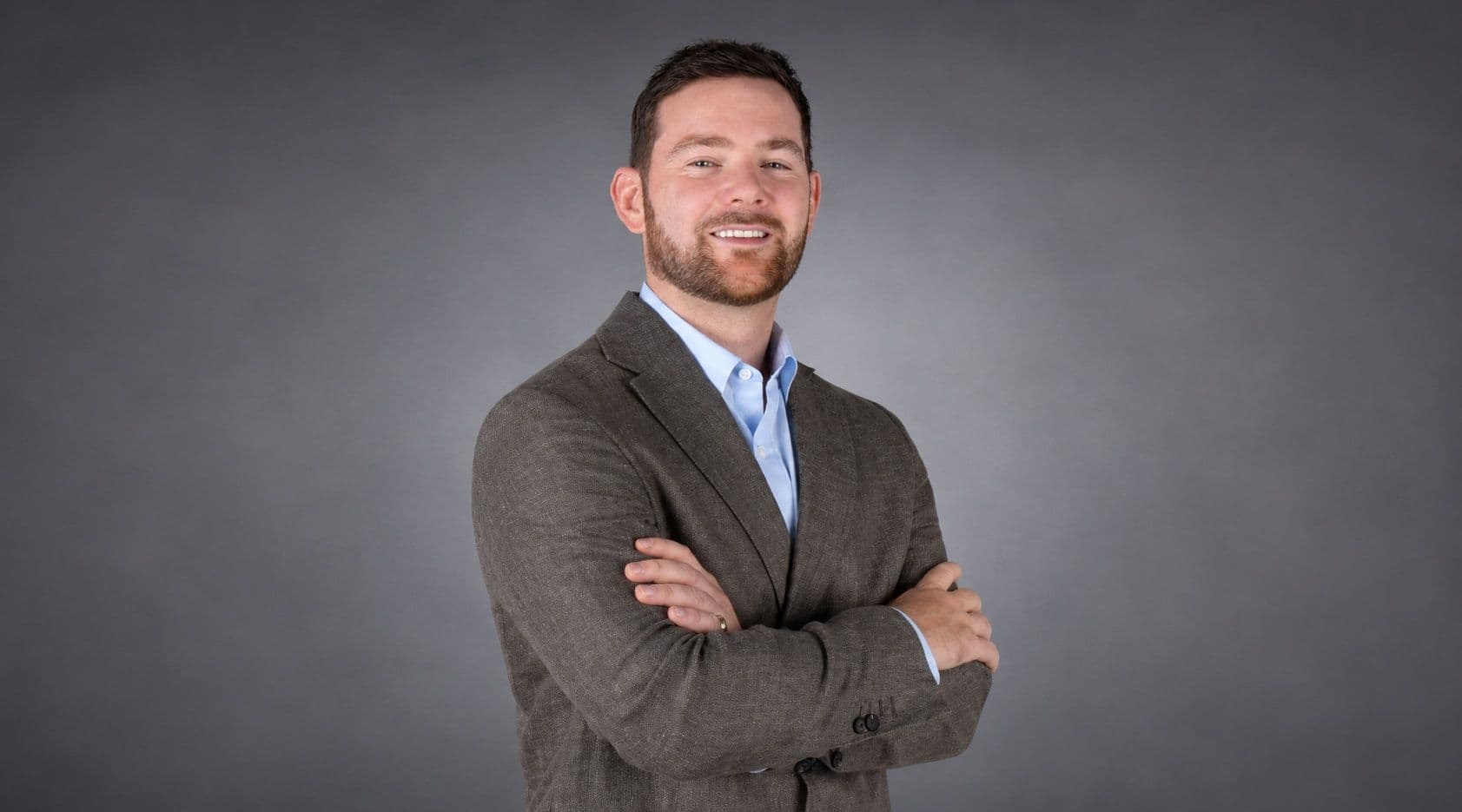
For anyone tracking where Gulf money is quietly heading, the news out of BitOasis this week is less a corporate reshuffle than a rite of passage. The region's oldest regulated crypto platform — the one that survived the 2022 crash when so many peers vanished — has handed its corner office to a former HSBC and Deutsche Bank markets man. Jonathan Rigg is now chief executive, taking over from Ola Doudin, who co-founded the company in 2016 and steered it through a decade of regulatory fog, boom, bust and eventual consolidation.
The numbers behind the transition matter. BitOasis says it has processed roughly $8.5 billion in spot trading volume and now serves everyone from retail punters to family offices and institutions across the UAE, Bahrain and the wider Gulf. That scale is not accidental. The firm was among the first to win a license from Abu Dhabi's financial regulator, then expanded into Bahrain in May 2025 after securing a broker-dealer permit from the Central Bank of Bahrain. Derivatives approvals are already in hand, with products heading to market. This is not a startup scrapping for survival — it is an infrastructure play maturing into institutional shape.
To understand why this matters, you need to know who BitOasis is in the local pecking order. Doudin, a Jordanian entrepreneur, built the platform when crypto in the Middle East was still a curiosity — a time when Gulf regulators treated digital assets with suspicion and most regional exchanges were little more than unregulated shops. She navigated that landscape with a compliance-first ethos that made BitOasis the rare name both regulators and serious capital trusted. In 2024, India's CoinDCX, led by Sumit Gupta, acquired the company, giving it the balance sheet of a major Asian exchange while keeping its regional identity intact. Now Rigg, who spent three years as a founding commercial lead at Abu Dhabi's Fuze Finance and cut his teeth in prime brokerage at two of the world's largest banks, is being asked to scale what Doudin built.
Rigg's appointment is a signal about where Gulf crypto is heading. The era of founder-CEOs who had to explain what Bitcoin was to skeptical officials is closing. What the market now demands is operational discipline: product depth, institutional-grade liquidity, stablecoin payments, banking-as-a-service — the unglamorous plumbing that turns a trading venue into a financial utility. Rigg's résumé reads like a checklist for that shift. He has owned P&L from pre-revenue to profitability, launched regulated platforms, and maintains close ties with the region's regulators and enterprise clients. His job is not to reinvent BitOasis but to make it boringly reliable at scale — which, in crypto, is the highest compliment.
The broader context is just as telling. The UAE has positioned itself as a global digital-asset hub, with Bahrain and Saudi Arabia following suit, and family offices across the Gulf are increasingly allocating to crypto as part of diversified portfolios. BitOasis sits at the intersection of those trends: a regulated bridge between Western institutional capital and Middle Eastern wealth, now backed by an Indian giant and led by a British banker with deep regional roots. That combination — Emirati regulatory heft, Bahraini licensing, Indian capital, international leadership — is a template for how the region wants to do business in the next decade.
What comes next will be watched closely. Rigg inherits a platform with a million-plus customers, a clean regulatory record and a new derivatives pipeline. The challenge is growth without recklessness — expanding into new markets while keeping the trust that took Doudin years to build. If he pulls it off, BitOasis cements its place not just as a Gulf pioneer but as the region's default crypto counter for institutions and family offices alike. If he stumbles, the lesson will be that even the most established regional players cannot escape the volatility that still defines the industry. For now, the bet is clear: the Middle East's crypto story is moving from founder vision to professional management — and that is a sign of a market growing up, not cooling down.