Xbox's New CEO Asha Sharma Is Answering Player Tickets Herself. Can She Fix Microsoft's $23 Billion Gamble?
Asha Sharma, Xbox's new CEO, is reshaping the struggling $23B division with job cuts, direct player feedback, and a mantra: 'Clarity is kindness.'
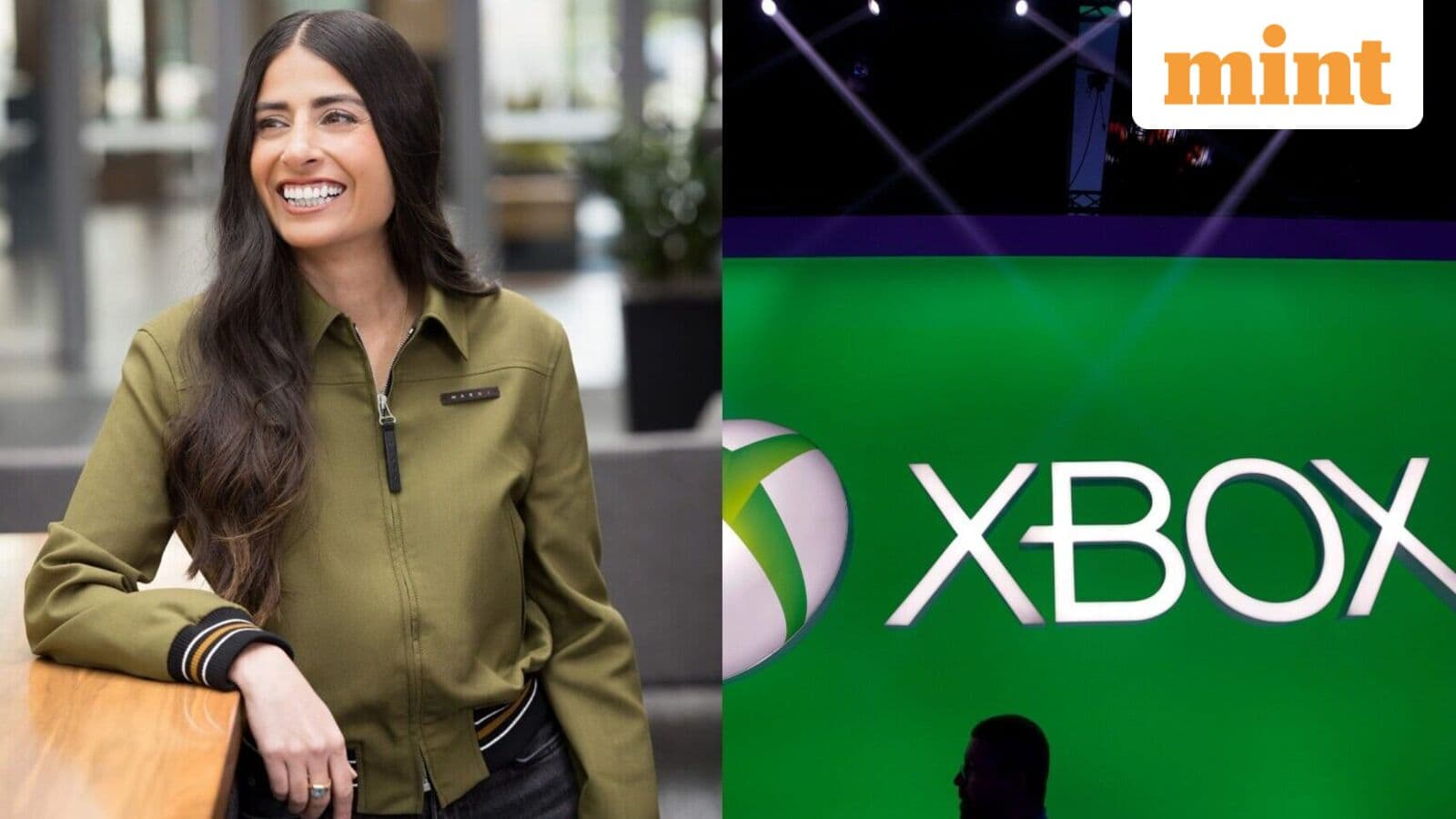
Asha Sharma is doing something almost no CEO of a $23 billion division does: reading the complaints herself. The head of Microsoft's Xbox unit spends hours each week personally working through player support tickets, a detail that emerged in a recent Wall Street Journal profile and that tells you more about her management style than any strategy deck. For a business that has lost its way with the very fans who built it, the gesture is both practical and pointed.
The numbers behind her urgency are stark. Xbox generates roughly $23 billion in revenue, but that figure is declining. Its workforce of about 14,000 people operates on a profit margin of just three per cent. Game Pass, the subscription service Microsoft once bet would redefine how games are consumed, has fallen short of its own projections. Sharma has not sugar-coated any of this internally. She has acknowledged the challenges in meetings and communications while pursuing significant job cuts, strategic shifts, and a major reallocation of investments.
To understand why this matters beyond Redmond, consider who Sharma is and where she came from. The 38-year-old mother of three was born to parents who moved from New Zealand to Racine, Wisconsin, joining an aunt and uncle who ran a metal fabrication business. Her father worked there while studying for an engineering degree. That work ethic carried into martial arts, a rubbish-collecting job at a local park, and an early ambition to become a team doctor for the Green Bay Packers. She studied business at the University of Minnesota's Carlson School of Management, then built a resume that reads like a tour of the modern tech economy: marketing at Microsoft, COO at Porch Group, VP of product and engineering at Meta, COO at Instacart, where she helped steer the company to an IPO and profitability. She sits on the boards of Coupang and Home Depot. She returned to Microsoft in August 2024 to lead CoreAI Product, and in February was elevated to CEO of Xbox.
Her mantra, repeated to colleagues, is 'clarity is kindness.' At a town hall at the offices of Minecraft, one of Xbox's most important franchises, she told staff that great companies are comfortable sharing wins and hard realities alike. That philosophy, she says, fueled her rapid rise. It is also a direct challenge to Microsoft's culture, where the gaming division has often seemed caught between corporate priorities and the instincts of the developers and players it serves.
For Asia's wealth and capital watchers, the Xbox story is a useful lens on a broader shift. The region's tech giants—from Tencent and Sony in gaming to Coupang in e-commerce—are watching how Western platform businesses confront slowing growth, thin margins, and the limits of subscription models. Sharma's approach, cutting costs while personally reconnecting with users, is a bet that operational discipline and customer intimacy can coexist. It is the same bet many Asian founders are making as they navigate post-boom realities.
Whether Sharma can turn Xbox around remains an open question. She has made clear she wants to move fast, and she has the backing of Microsoft's leadership. But the division's problems are structural, not just cultural. A three per cent margin leaves little room for error, and Game Pass's missed projections suggest the subscription math may not work as hoped. What is certain is that Sharma will not hide from the hard numbers. 'Every company needs to be better at sharing hard things and clear realities,' she has said. For a business that once defined a generation of gaming, that clarity may be the only kindness that matters.