Fang Fenglei, the Man Who Built China's First Investment Bank, Says the 'Investibility' Debate Is Settled
Veteran financier Fang Fenglei, who helped found CICC and now chairs Hopu Investments, dismisses foreign doubts about China's investment case.

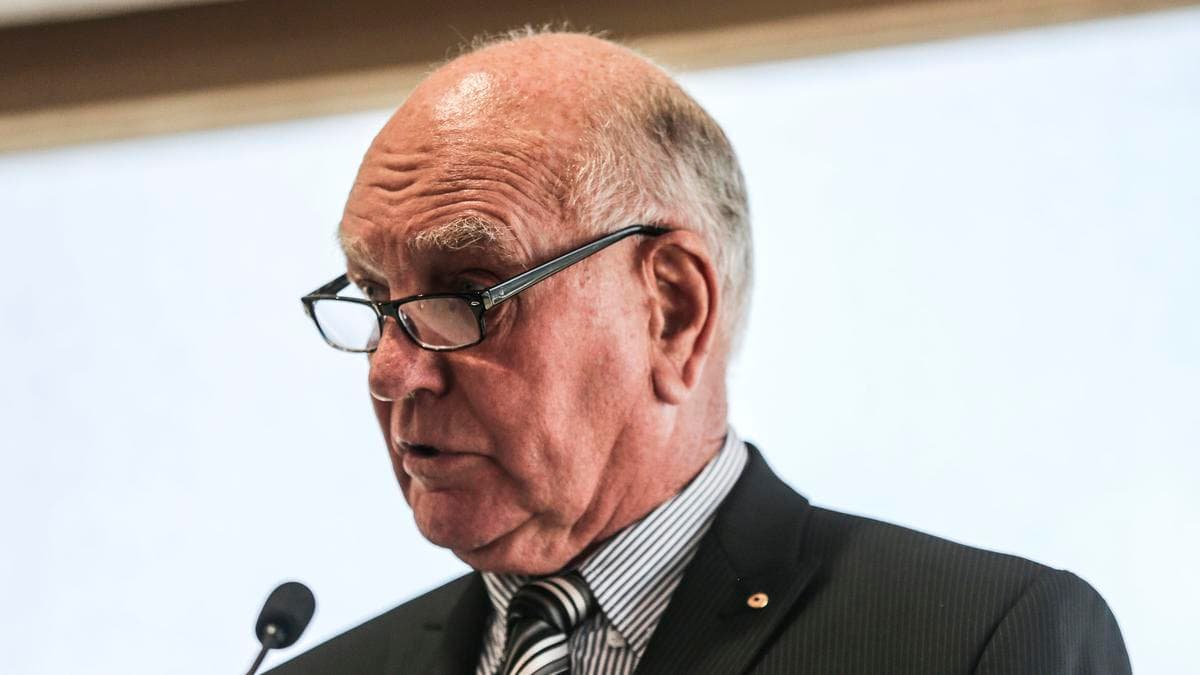
For three decades, whenever global capital needed a guide through China's labyrinthine markets, it often found the same man holding the lantern. Fang Fenglei helped Morgan Stanley build China International Capital Corp, the country's first joint-venture investment bank, in the early 1990s. He then ran Bank of China International and spearheaded the Hong Kong listings of state-owned giants, later chairing a Goldman Sachs joint venture on the mainland. Now chairman of Hopu Investments, he has a message for anyone still asking whether China is worth the trouble: the question itself is tired.
The debate over China's "investibility" has resurfaced repeatedly in recent years as foreign investors fretted over slowing growth, regulatory swings and geopolitical friction. Fang's response, in an interview with the South China Morning Post, is blunt. The arguments against investing in China, he says, "do not hold water." He points to the artificial intelligence race, the case for diversifying away from US dollar assets, and Hong Kong's potential to keep growing as a financial hub. The remarks carry weight not because of any single data point but because of who is saying them. Fang has spent his career at the hinge between Chinese officialdom and Western capital, and his credibility rests on having navigated both.
To understand why his words land, you need the local backstory. CICC, the firm Fang helped create, became the training ground for much of China's financial elite and the go-to adviser for the country's biggest state enterprises. His later role at Bank of China International put him at the centre of the Hong Kong listing wave that turned Chinese oil, telecom and banking giants into global equities. Hopu, the private equity firm he now chairs, is one of the few homegrown shops with genuine cross-border heft. When someone with that résumé says the skeptics are wrong, it is not a talking point from a government podium. It is a career investor defending the market he helped build.
The timing matters for Asia's wealth map. Global allocators have spent years trimming China exposure, redirecting capital to India, Japan and Southeast Asia. That shift has reshaped everything from Hong Kong's IPO pipeline to the fundraising plans of private equity firms across the region. Fang's pushback touches the raw nerve of that repositioning. His argument about diversifying from dollar assets speaks to a broader anxiety among Asian sovereign funds and family offices about concentration risk in US markets. His emphasis on AI echoes the sector that has become the single biggest magnet for Chinese venture and growth capital, even as Western funds stay cautious.
Hong Kong sits at the centre of this story. The city's role as the connector between mainland issuers and global money has been questioned as capital flows changed direction. Fang's view that the city still has room to grow is a bet that the plumbing of Chinese finance will keep running through the harbour. For wealthy families across Asia, that is not an abstract debate. It determines where they list, where they bank, where they park the next generation's money. A financier who helped lay the original pipes is now arguing they remain the best route.
None of this means the sceptics will fold. Foreign sentiment turns on returns, not résumés, and Fang's optimism will be tested by the same markets he once helped open. But his intervention is a useful marker. When the architect of China's first joint-venture investment bank says the investibility question is no question at all, the burden of proof shifts. For Asia's capital allocators, the real test is not whether Fang is right today. It is whether the next decade of Chinese listings, AI deals and Hong Kong flows proves him right tomorrow.