Washington’s new Venezuela playbook: oil first, ballots later
Trump says Venezuela isn’t ready for elections, prioritising oil deals and stability over a vote timetable.
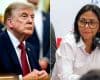
For anyone tracking capital in South America, the most telling sentence out of Washington this week wasn’t about barrels or ballots — it was about Delcy. President Donald Trump stood in the Oval Office and praised acting president Delcy Rodríguez as “very respected,” a woman doing a “very, very good job,” before adding that Venezuela is simply “not ready” for elections. No conditions spelled out. No calendar offered. Just a pat on the back for the interim government and a vague hope that a vote can come “soon.”
The core facts are stark. Five days after Washington announced a deal giving the US government majority control over a fifth of Venezuela’s oil reserves for a century, Trump declared the country unready for elections. A senior US official, speaking anonymously, ruled out setting a date, calling it an “artificial deadline,” while insisting elections should happen “as soon as possible” once conditions are in place. Those conditions, the official said, include economic and legal stability, a free press, organised political parties, a credible electoral process, and a legal system that “does not disqualify candidates.” Notably absent from the list: any mention of the National Electoral Council or political prisoners. The interim government and a section of the opposition did agree in August to annul and restart the process for appointing Supreme Court justices, but that deal sidestepped the electoral body entirely. Further talks are slated for mid-September.
To understand why this matters, you need the backstory that most international readers won’t have. Venezuela’s current situation is not a normal transition. Nicolás Maduro was captured in Caracas on January 3 by a military operation and taken to New York, where he awaits trial on drug trafficking charges. The US has since laid out a three-stage roadmap: first, reconstruct the oil sector; second, stabilise the economy; third, hold elections. That sequencing is the whole ballgame. Washington is effectively saying that democracy must wait for the oil wells to flow and the currency to steady — a bet that economic revival will make a vote more meaningful, but one that critics see as a convenient way to entrench the interim government.
The oil deal itself is the elephant in the room. It grants a joint venture between the US government and a Venezuelan company called North American Blue Energy Partners hundred-year rights over seventeen fields holding some 65 billion barrels. The firm is owned by Alejandro Betancourt, a businessman under investigation in Switzerland and Spain — though with no conviction against him. A century-long concession is almost unprecedented in modern energy history, and it effectively locks US interests into Venezuela’s hydrocarbon future regardless of who eventually runs the country. That creates a structural incentive, as critics note, to prolong the interim government’s tenure. Why rush an election when the current arrangement is working so well for Washington’s energy ambitions?
For South America’s wealthy and their observers, this is a familiar pattern wearing new clothes. The region has long seen foreign powers prioritise resource access over democratic niceties, but rarely has it been so explicit. The US administration insists it wants elections and that the economy must be revitalised first — a logic that could stretch for years, given Venezuela’s degraded institutions after two decades of chavismo. The official’s call for patience, arguing that institutions must be rebuilt before any vote can be considered free and fair, is technically reasonable. But in a country where the opposition has been fractured, the electoral council remains unreformed, and political prisoners are still held, “patience” sounds less like prudence and more like a placeholder.
What happens next? The mid-September talks will offer the first real signal of whether the interim government intends to move toward elections or simply manage the status quo. For international capital, the calculus is brutal and simple: stability under the current arrangement is good for oil revenues, but it comes with political risk that no hundred-year contract can fully hedge. If Washington truly wants a vote, it will have to name a date, define the conditions, and — crucially — address the prisoners and the electoral council that were left out of August’s deal. Until then, the smart money in South America will watch not what Trump says about democracy, but what his administration does about oil. The two, it seems, are no longer moving in the same direction.