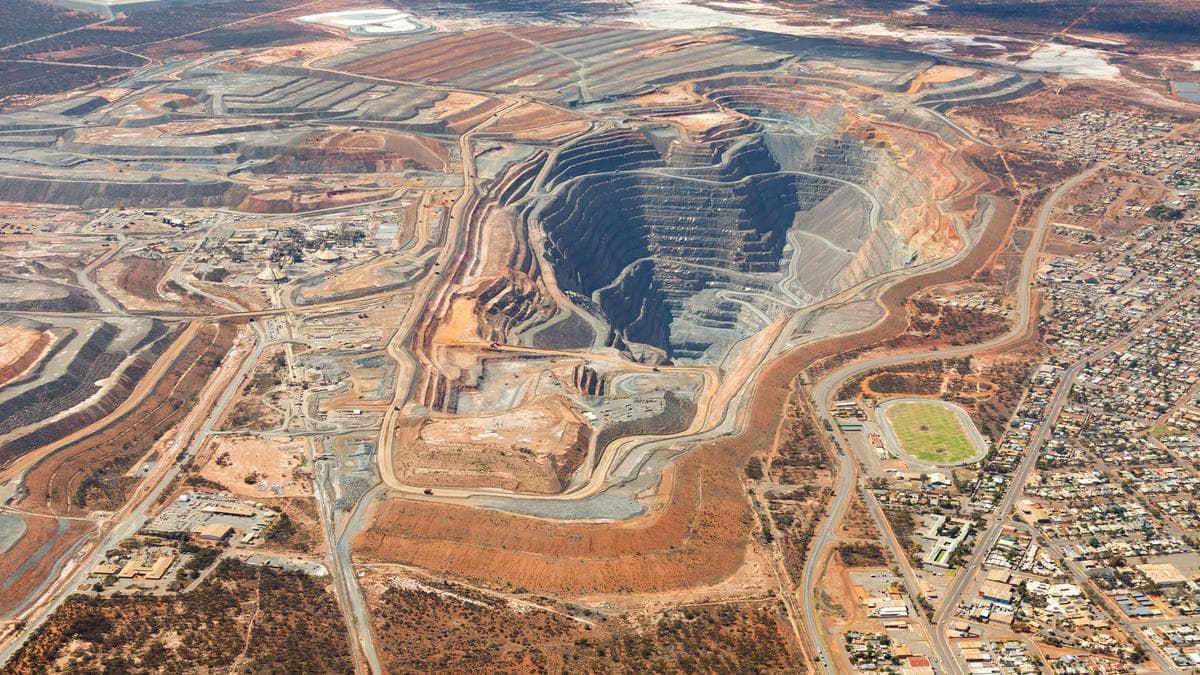
Vista Energy bets $5.8bn on Vaca Muerta under Milei's RIGI umbrella
Vista Energy joins Argentina's RIGI scheme, pledging $5.8bn to drill 336 wells in Vaca Muerta, targeting 50,000 bpd—a gauge of investor faith in Milei's reforms.
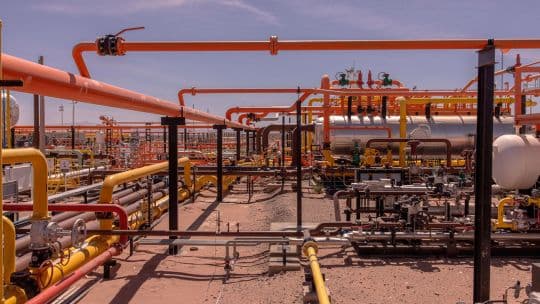
For anyone tracking the flow of capital into South America, the news from Argentina this week is a quiet thunderclap. Vista Energy, one of the shale patch's most aggressive independent players, has formally signed up for President Javier Milei's investment incentive regime, known as RIGI. The pledge is not small: US$5.8 billion, earmarked for drilling 336 wells across more than 10,000 hectares in the northern reaches of Vaca Muerta, with a goal of pumping 50,000 barrels of oil a day. That is not a pilot project. That is a bet on the scale of the country's future.
Vista is not a household name outside energy circles, but inside Argentina it is a bellwether. The company has been a pioneer in the shale revolution that Vaca Muerta represents—a geological treasure that holds the world's second-largest shale gas reserves and fourth-largest shale oil reserves. For years, the field was starved of capital, throttled by currency controls, export taxes and a state that could not decide whether to encourage or strangle its own energy wealth. Vista, with its focus on efficiency and its ties to international investors, has been one of the few firms that kept drilling when others balked. Now, by joining RIGI, it is sending a signal that the political winds have finally turned.
RIGI, short for the Large Investment Incentive Scheme, is Milei's flagship attempt to lure big money into long-term projects. It offers tax stability, customs breaks and legal protections that were unthinkable under previous governments—a deliberate rupture with the interventionist past. For an international reader, think of it as Argentina's version of a sovereign guarantee to big capital: if you bring dollars and build something real, the state will not move the goalposts. Vista's commitment is the first major oil-and-gas test of that promise, and the numbers are substantial. The 336 wells will spread over an area roughly the size of 14,000 football pitches, and the daily output target would roughly double the company's current production, according to industry estimates—though the exact figures are not public.
Why does this matter beyond Argentina? Because Vaca Muerta is one of the few places on earth where non-OPEC oil can still be developed at scale, and South America's energy map is shifting. Brazil is the region's giant, but Argentina has the rock. If Vista succeeds, it will prove that Milei's deregulation can unlock the shale potential that has been trapped for a decade. That could trigger a wave of follow-on investment from global majors and mid-caps alike, turning Argentina into a net energy exporter and reshaping the continent's trade flows. For the region's wealthy families and sovereign funds, it also signals a new risk appetite: betting on Argentina is no longer just for distressed-debt vultures, but for long-term industrialists.
The timing is delicate. Milei's austerity has hit the domestic economy hard, with recession and inflation still biting. But capital does not look at the monthly pain; it looks at the decade ahead. Vista's move suggests that the most sophisticated investors see the horizon clearing. The company's founders, led by Miguel Galuccio, a former Schlumberger executive, have always operated with a long view—they built Vista from a small cap into a shale powerhouse, and they are not in the habit of throwing billions at a mirage. Their RIGI adhesion is a vote of confidence not just in the rock, but in the rules of the game.
What comes next will be watched closely. If Vista hits its 50,000-barrel target, expect a flurry of copycat applications to RIGI from other energy players, and perhaps from mining and infrastructure groups too. The scheme was designed to be sector-agnostic, but oil is its first real test. For now, the well pads are being planned, the rigs are being contracted, and the dollars are starting to move. South America's wealth watchers should take note: the shale era in Argentina may have finally found its political match.