Viridis' Colossus DFS Sparks a Rare Earths Rush Down Under
Viridis Mining's Colossus DFS in Brazil shows US$1.86B NPV, 47% IRR, and 25-year life, reshaping Oceania's rare earth ambitions.
For investors who track the flow of capital out of Australia, the numbers from Viridis Mining and Minerals this week land like a thunderclap. The Perth-based juniors' definitive feasibility study for its Colossus rare earths project in Brazil doesn't just pencil out — it roars, with a pre-tax net present value of US$1.866 billion and an internal rate of return of 47 percent. That's the kind of arithmetic that turns heads from Sydney to Singapore, and it underscores a quiet but profound shift in how Oceanian capital is chasing the energy transition.
The study, released Thursday, lays out a 25-year mine life generating US$5.97 billion in EBITDA from total revenue of US$8.54 billion. After tax, the NPV still sits at US$1.196 billion, with a 36.4 percent IRR and a payback period of just 2.7 years. The project will produce an average of 2,843 tonnes per annum of neodymium-praseodymium, the magnet metals that power everything from EV motors to wind turbines, with initial capital costs pegged at US$449 million. Even at a brutally conservative price of US$72 per kilogram of TREO, the project still throws off a post-tax NPV of US$555 million.
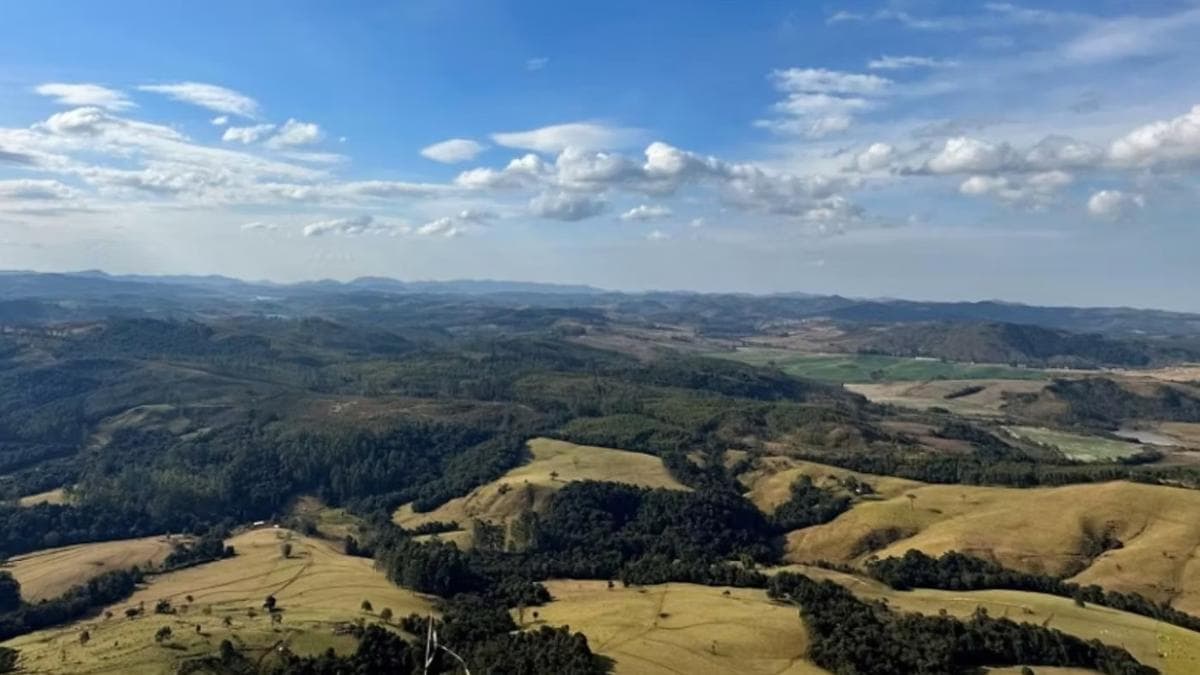
What makes this more than a spreadsheet exercise is the story behind the company. Viridis is a classic Australian-listed explorer that took a gamble on Brazilian ground — specifically the Colossus deposit in the Poços de Caldas mining district of Minas Gerais. It's a region that has produced metals for decades, but the prize here is ionic-adsorption clay mineralisation, a form of rare earths that is far easier and cheaper to process than hard-rock ores. The company says its demonstration plant recoveries have beaten the results from testwork by Australia's own Nuclear Science and Technology Organisation, giving the project a metallurgical edge that cuts costs and boosts margins. The all-in sustaining cost of US$26.70 per kilogram of NdPr against expected revenue of US$129 per kilogram is the kind of spread that makes financiers sit up.
For an international reader, the significance goes beyond Viridis itself. This is a Perth company, backed by Australian institutions like One Investment Management, which has committed US$75 million, and a group of strategic investors, mostly Brazilian, putting in another US$40 million. The capital raising of US$120 million, with Goldman Sachs leading project financing, shows that Australian mining know-how is increasingly being exported — not just in the form of engineers and drill rigs, but as a template for developing critical minerals in other jurisdictions. It also signals a maturation of the rare earths sector, which has long been dominated by Chinese processing. Projects like Colossus, with its simple leaching process and low costs, are designed to compete on a global stage, and the involvement of Brazilian asset managers like ORE Investments and Régia Capital highlights the cross-border flows that are reshaping the industry.
This deal also tells you something about the state of Oceania's capital markets. Australian investors have historically been wary of offshore mining plays, fearing sovereign risk and operational headaches. But the success of companies like Lynas, which built a rare earths processing plant in Malaysia, has shifted the mindset. Now, a new generation of juniors is looking further afield, and Brazil — with its rich geology and established mining culture — is becoming a favoured destination. The fact that Viridis has secured cornerstone funding from a global investment manager and advanced its financing to the point of awarding an EPCM contract speaks to a level of institutional confidence that was unthinkable a decade ago.
Looking ahead, the Colossus project is poised to move from feasibility to execution with unusual speed. The company has already locked in offtake terms for the first five years and is placing orders for long-lead equipment. The ore reserve inventory of 200.1 million tonnes, based on a 41-year reserve life, suggests this could be a multi-generational asset. For investors in Oceania, the message is clear: the rare earths race is no longer just about Australian dirt. It's about who can move capital and technology across borders to unlock the minerals that the world will need for decades. And right now, Viridis is showing just how far that ambition can stretch.