Victoria's $230M Dental Gambit: The Real Cost-of-Living Play
Victoria's Labor government is betting $230 million on free public dental clinics as an Australian-first cost-of-living measure, but the wealth angle is in the state's fiscal capacity to fund it and the broader signal for public health as an investment. For wealth builders, it's a case study in government spending priorities and the political economy of health care.
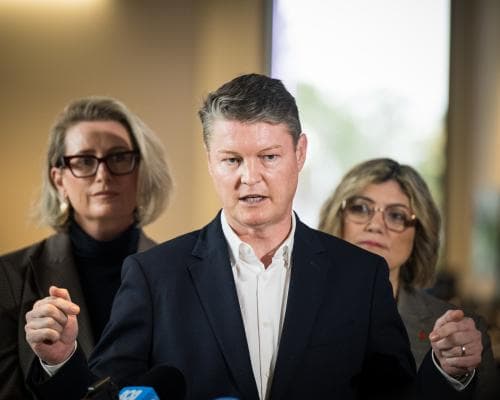
Walk into a dental clinic, get your teeth fixed, and walk out with zero bill. That's the pitch Victorian Premier Ben Carroll is taking to the November state election, and it's the kind of promise that makes accountants — and taxpayers — wince. But for anyone watching where public money flows, this isn't just about molars. It's a $230 million bet on the idea that health care is the new battleground for cost-of-living relief, and it could reshape how states spend for a generation.
The plan is simple on paper: ten new public dental clinics across Victoria, offering free checkups, fillings, root canals, and extractions, with a target opening date of mid-2027. That's the headline. The subtext is bigger. Carroll is framing this as "structural cost-of-living support," not just a health policy. In plain English, he's saying that a trip to the dentist shouldn't be a luxury item, and that the state's balance sheet should absorb the cost of keeping smiles healthy. It's a populist move, but it's also a fiscal one, and it raises a question every investor should ask: who's going to pay for it, and what does it mean for the state's creditworthiness?
The numbers tell a story of their own. $230 million is real money, but in the context of a state budget that runs into tens of billions, it's a rounding error. The real cost is the ongoing operational expense — staffing ten clinics with dentists, hygienists, and support staff, all while the state already faces a shortage of dental professionals. The opposition was quick to point out that the median wait for public dental care in Victoria is seven months, versus one month in New South Wales, citing Productivity Commission data. That's a damning statistic, and it highlights the gap between promise and delivery. If you can't staff the clinics you already have, throwing more money at new ones doesn't automatically solve the problem — it might just spread the shortage thinner.
For the wealthy, this is a signal about where the political winds are blowing. Health care is becoming a front-line issue in the cost-of-living crisis, and that means governments are willing to spend big on services that were once considered optional or private. The dental angle is clever because it's universal — everyone needs their teeth checked, and unlike hospital waiting lists, dental pain is immediate and personal. It's also a wedge issue that could force other states to follow suit, which would have ripple effects on health budgets, private insurance, and even the dental industry itself. If free public dental becomes the norm, private practices might face pricing pressure, and that's a sector to watch.
The market angle here is subtle but real. This isn't a stock tip or a bond yield — it's a political risk assessment. Victoria's debt levels are already a talking point among credit analysts, and this kind of spending commitment adds to the long-term liability picture. But there's also an upside: if the policy works, it could reduce emergency room visits and chronic disease costs down the line, which is a smart investment in public health. The key is execution, and that's where the rubber meets the road. Carroll's promise to have the clinics open by 2027 is ambitious, and the state's track record on infrastructure projects is mixed at best. Investors should watch how this rolls out, because it's a litmus test for whether governments can actually deliver on big-ticket promises.
What does this mean for you? If you're a wealth builder, you're probably not lining up for a free filling, but you should care about the fiscal direction. This is a classic example of a government using health care as a political weapon, and it's likely to be replicated elsewhere. The cost-of-living crisis isn't going away, and politicians are looking for tangible wins. Dental care is a smart one because it's visible, personal, and relatively cheap compared to hospital funding. But the real story is the precedent: if a state can promise free dental, what's next? Free physio? Free mental health sessions? The public purse is finite, and every new promise is a claim on future taxes or borrowing.
The forward-looking take is this: watch the Victorian budget in the next few years. If this policy is funded without blowing out the deficit, it's a sign that the state is managing its books well. If it's a fiscal mess, it's a warning sign for anyone holding Victorian bonds or investing in the state's economy. Either way, the dental clinic promise is more than a campaign slogan — it's a test of whether governments can turn political capital into real-world outcomes. And for the rest of us, it's a reminder that the smartest capital isn't just about stocks and property — it's about understanding how public money moves, and who benefits when it does.