Kenya's CMA Clears GDR Route for Dangote Refinery IPO, Opening Nairobi Door to Nigeria's Mega-Listing
Kenya's CMA approves a GDR prospectus from Renaissance Capital, letting Kenyan investors join the Dangote Refinery IPO via the NSE.
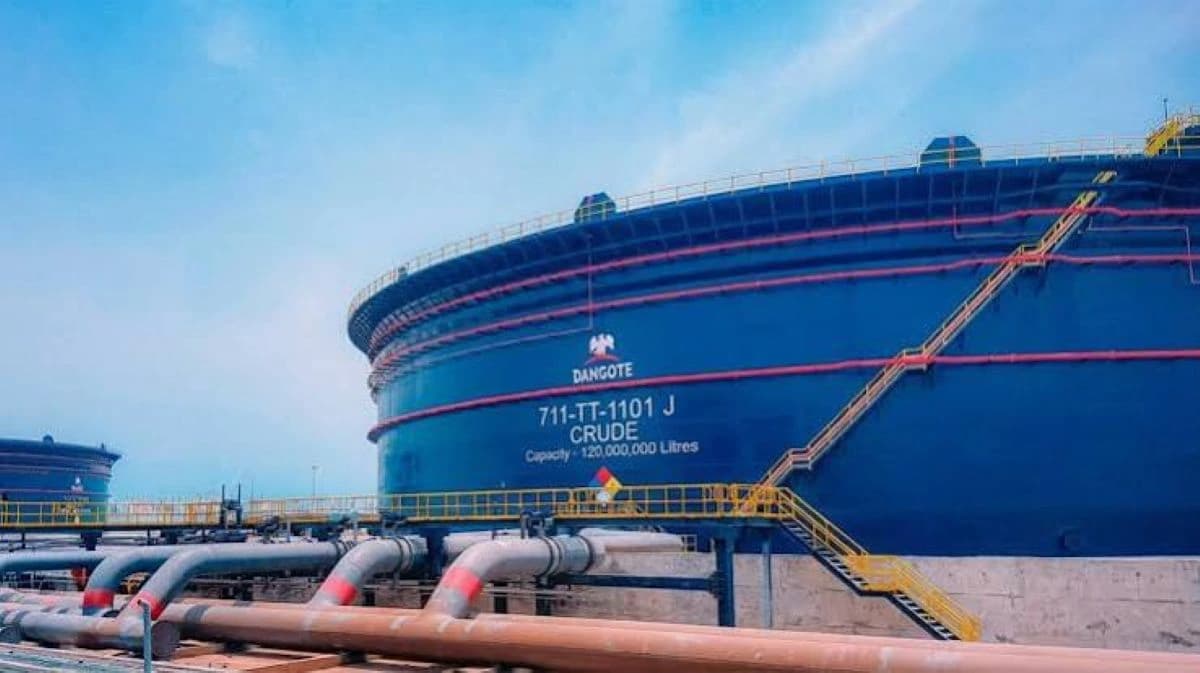
Kenyan investors have spent weeks circling a question that once had no clean answer: how do you buy a piece of Nigeria's biggest industrial bet without sending your shillings across borders and waiting days for settlement? On Monday, October 5, 2026, the Capital Markets Authority gave them a route. The regulator approved a Short Form Prospectus filed by Renaissance Capital (Kenya) Limited for a Global Depositary Receipt arrangement — the legal plumbing that lets eligible Kenyans subscribe to the Dangote Petroleum Refinery & Petrochemicals IPO through their own market.
The mechanics matter. A GDR is a negotiable certificate issued by a depository bank that represents shares in a foreign company. Under the structure Kenyan market participants had been exploring, the receipts would trade on the Nairobi Securities Exchange in Kenyan shillings, while the underlying Dangote shares stay in custody in Nigeria and the primary listing remains on the Nigerian Exchange. Licensed Kenyan stockbrokers would handle orders and Know Your Customer checks. The refinery's offer, which opened on September 14, 2026, is for 4.1 billion shares at N525 each — a total of N2.15 trillion — and is scheduled to close on October 13. The CMA was careful to say its approval is not an investment recommendation and urged prospective investors to read the prospectus and take independent advice. The eventual NSE listing of the GDRs still needs clearance from Nigeria's SEC.
For outsiders, the names need unpacking. Dangote Petroleum Refinery & Petrochemicals is the giant refinery project at the heart of Aliko Dangote's industrial empire, and its public offer is one of the largest capital raises ever attempted on the Nigerian Exchange. Renaissance Capital is a frontier-markets investment bank with a long history of structuring cross-border access for African institutional money. The CMA's statement also drew a line that matters to East Africans: this IPO covers only the Nigerian refinery entity, not the proposed Dangote East African Petroleum Refinery and Petrochemicals project in Lamu County, Kenya — a separate venture that has been discussed for years but is not part of this offer.
Why should anyone outside Nairobi or Lagos care? Because this is a small but real test of whether African capital markets can connect to each other without routing everything through London or New York. Kenya and Nigeria are the continent's two most-watched exchanges, yet direct cross-listings remain rare, hampered by currency controls, custody rules and regulatory silos. A working GDR channel would let Kenyan pension funds and high-net-worth investors hold a Nigerian industrial asset in local currency, and it would give Nigerian issuers a new pool of East African demand. That is the kind of plumbing that turns talk of a single African market into something an allocator can actually trade.
The timing is pointed. The Dangote offer closes on October 13, so Kenyan investors who want in have a narrow window — and the GDR route is not yet fully operational until Nigeria's SEC signs off. The CMA's caution is a reminder that regulatory approval is not a valuation opinion, and the refinery's scale cuts both ways: it is a dominant piece of Nigerian downstream infrastructure, but it is also exposed to fuel-price regulation, currency risk and the long ramp-up typical of projects its size. For Kenyan buyers, the bet is as much on the naira-shilling relationship and the integrity of the depositary chain as it is on Dangote's refining margins.
What happens next will be watched well beyond Nairobi. If the GDRs list and trade with decent liquidity, it becomes a template — for other Nigerian issuers seeking East African capital, and for Kenyan regulators weighing similar windows into Ghana, Egypt or South Africa. If the structure stalls at the SEC or trades thinly, it will reinforce the older, cynical view that African exchanges still talk past each other. Either way, the CMA's Monday decision marks a shift: for the first time, a Kenyan investor can meaningfully ask not whether they can own a slice of Nigeria's refinery, but how much they want.