Unacademy's fall from $3.44B unicorn to a $200M exit reshapes India's edtech narrative
Unacademy's $200M sale to upGrad marks the end of India's edtech unicorn era, as founder Gaurav Munjal reflects on peak valuations and a humbler reality.
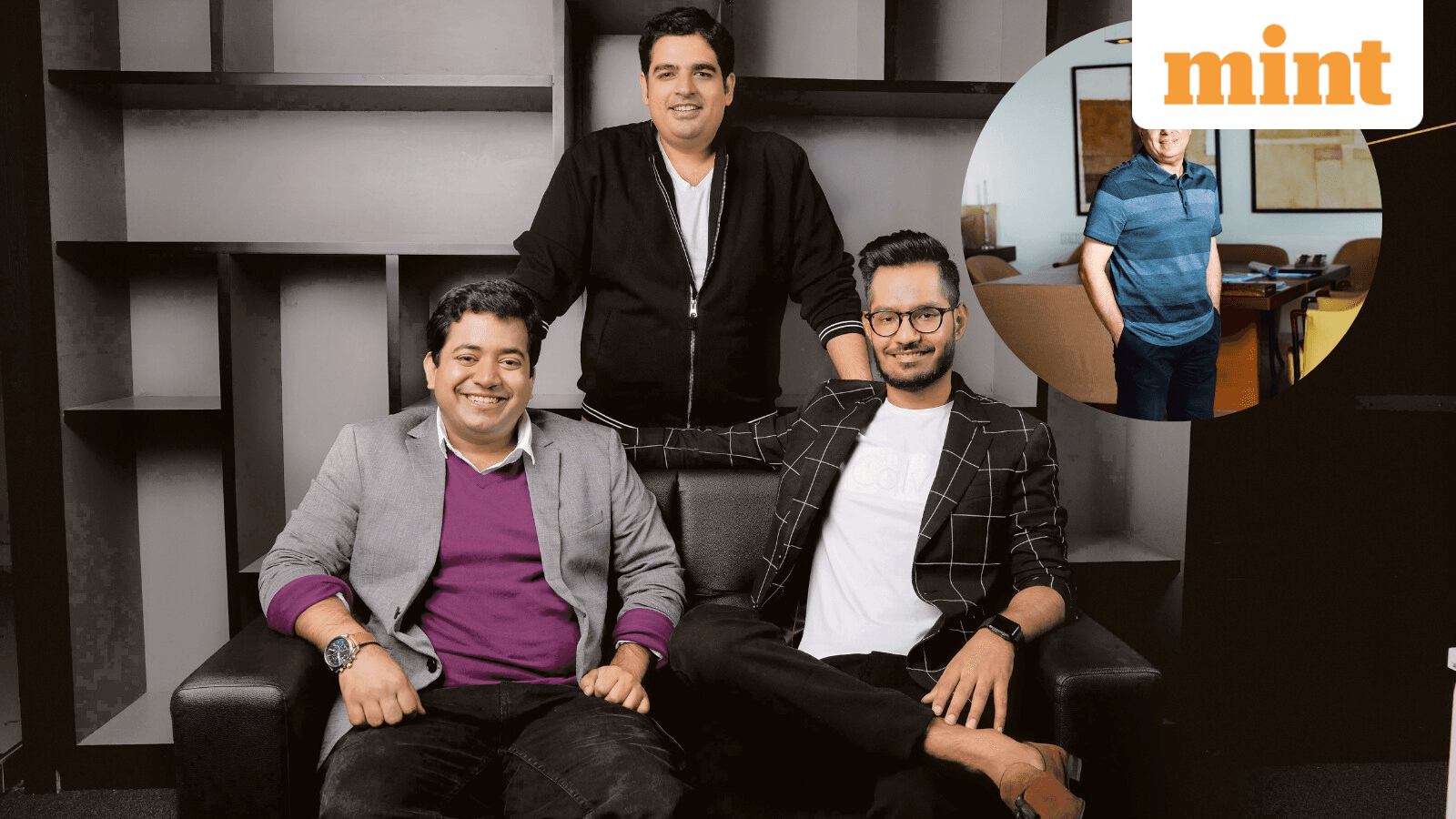
For anyone tracking the rise and fall of India's startup story, Tuesday's news landed like a quiet earthquake. Unacademy, once the poster child of the country's online education boom with a peak valuation of $3.44 billion, has been acquired by rival upGrad for just over $200 million. The deal, confirmed by co-founder and CEO Gaurav Munjal in a candid X post, isn't just a corporate transaction. It is the most honest admission yet that the edtech gold rush of the pandemic years has ended not with a bang, but with a sober consolidation.
Munjal, who started Unacademy alongside Roman Saini, Hemesh Singh, and Sumit Jain, didn't sugarcoat the math. "We raised at a peak, but sold at a fraction of that," he wrote, acknowledging that the sale price was a mere shadow of the company's former glory. Yet his tone wasn't bitter. He framed the decision as deliberate, noting that Unacademy had roughly ₹900 crore in the bank and annual revenue of about ₹400 crore, meaning no one was forcing the deal. "Nobody was forcing this. But sometimes, you are drawn towards a path that is more exciting than the one that makes you more money," he said, explaining why he chose to fold the company into Ronnie Screwvala's upGrad rather than fight on alone.
To understand why this matters beyond the boardroom, you need to remember what Unacademy represented. Founded in 2015, it rode the wave of affordable smartphone data to democratize education in a country where competitive exam coaching was a costly, urban privilege. Its free YouTube lectures created a generation of celebrity educators, and its platform amassed a staggering 100 billion views across videos by its teachers. For a while, it seemed unstoppable. Investors threw money at it, and in 2020 it became a unicorn, joining a club of Indian startups that were supposed to redefine the country's digital future. But the post-pandemic reality hit hard: students returned to physical classrooms, funding dried up, and the edtech sector, once the darling of venture capital, became a cautionary tale.
Munjal's reflections also reveal a deeper shift in how Indian founders are thinking about exits. He spoke admiringly of Screwvala, a veteran entrepreneur who built UTV and has long championed education, saying he was inspired by the latter's vision and that working with him felt right. The decision, Munjal stressed, was about the ecosystem, not just Unacademy. "The more we did, the clearer it got: this is a better path for the ecosystem, not just for us," he said. That language is telling. In a market where founders once chased valuations at any cost, there is now a growing acceptance that survival and strategic mergers might be smarter than burning cash in a race to nowhere.
This deal also signals a broader consolidation sweeping through India's tech landscape. The era of easy money is over, and the survivors are either profitable niche players or those willing to merge with stronger rivals. upGrad, backed by Screwvala, is positioning itself as a diversified education powerhouse, and absorbing Unacademy gives it scale, content, and a vast user base. For Munjal, who thanked a litany of fellow founders including Deepinder Goyal, Bhavish Aggarwal, and Bhavin Turakhia for emotional support during tough times, the sale is a personal milestone as much as a business one. He even highlighted Airlearn, a language-learning app Unacademy built, which became one of the top three most downloaded apps in its category worldwide within two years, proof that Indian product innovation can go global.
Looking ahead, the Unacademy story will likely be studied as a defining moment of India's startup cycle. It is a tale of ambition, hubris, and resilience, where a mission to democratize education collided with the brutal economics of venture capital. Munjal may not have captured the full economic value of that mission, but he changed what online education looks like in India, and his products became templates for the entire sector. As he steps into the upGrad fold, the question now is whether India's next generation of edtech founders will learn from his journey, or repeat it. The answer will shape not just the industry, but how the world views India's ability to build and sustain digital enterprises beyond the hype.