Ukraine's Defense Independence: The New Geopolitical Commodity
Britain's decision to release classified components for the Storm Shadow cruise missile to Ukraine marks a strategic shift toward defense self-sufficiency. This move signals a new era where military capability, like energy or rare earths, becomes a geopolitical currency that wealthy nations and investors must price in.
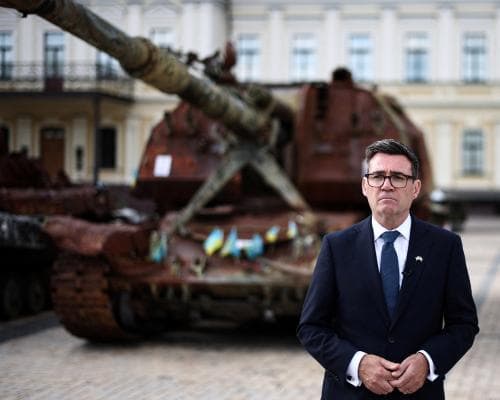
In the high-stakes chess game of global power, the most valuable commodity is no longer just oil, gold, or semiconductors. It's the ability to build your own weapons. This week, Britain made a quiet but seismic move: it handed Ukraine the classified components for the Storm Shadow cruise missile, allowing Kyiv to assemble the weapon on its own soil. For the wealth builders and market watchers who track the flow of capital and power, this is not just a military update—it's a fundamental shift in how nations, and the ultra-rich who back them, must think about security, supply chains, and the cost of defense.
The deal is small in dollar terms—a handover of blueprints and parts, not a multibillion-dollar contract—but its strategic value is immense. Ukraine, which has been at the mercy of Western allies for every artillery shell and air-defense system, is now being trusted to produce its own hi-tech armor. The Storm Shadow, a Franco-British cruise missile with a range of over 250 kilometers, has been a game-changer in striking Russian logistics hubs and command centers. Now, Kyiv will not have to wait for London or Paris to approve each launch. This is the beginning of a new era: defense independence as a geopolitical asset.
The mechanics are as much about industrial policy as they are about war. By releasing the components, Britain is effectively transferring knowledge and manufacturing capability. This is not charity; it's an investment in a more resilient Eastern European defense ecosystem. For the wealthy, this is a signal: defense stocks are no longer just about selling weapons to governments—they're about building the infrastructure for nations to arm themselves. Think of it as the defense version of energy independence. Just as the 1970s oil shocks pushed countries to diversify energy sources, the Ukraine war is pushing nations to diversify their military supply chains.
For investors, the numbers tell a story. Global defense spending hit a record $2.4 trillion in 2023, and it's only climbing. But the real money is shifting to domestic production. Countries from Poland to Romania are investing in local arms factories, and Ukraine is now the test case. If Kyiv can successfully produce Storm Shadow missiles, it will prove that a mid-sized nation can leapfrog into the top tier of defense manufacturers. That's a market opportunity worth watching. The UK's move also has a heritage angle: the Storm Shadow is a product of Anglo-French engineering, a symbol of European cooperation. Now it becomes a symbol of Ukrainian resilience.
The broader signal is clear: the West is slowly shedding its fear of escalation. Two years ago, President Biden hesitated to let Ukraine strike deep into Russia with US weapons. Now, Britain is handing over the keys to its own missile factory. The thresholds that once seemed dangerous have been crossed without provoking a NATO-Russia war. This is a lesson for markets: geopolitical risk is being repriced. The wealthy who hold assets in Eastern Europe, or who invest in defense tech, should see this as a tailwind. But there's a cautionary note: Moscow is sabre-rattling, and the risk of miscalculation remains.
Looking forward, this is about more than missiles. It's about Ukraine's survival as a sovereign entity. With a manpower disadvantage that cannot be solved by sheer numbers, Ukraine needs technological edge. Cruise missiles allow Kyiv to make it costlier for Russia to bring forces to the front line. By building its own, Ukraine gains a freedom of action that no ally can grant. For the rest of the world, the lesson is simple: in a multipolar age, the ability to defend yourself is the ultimate luxury asset. And Britain's move is the first step in a new global trend—treating defense capability as a commodity to be cultivated, not just purchased.