The World's Most Expensive Spice Is Back—and It's a Status Symbol
There’s a quiet thrill in owning something that costs more than gold by weight and yet is measured in mere threads. Saffron—that haunting, sunset-colored filament that has graced royal tables since before the pyramids—is having a renaissance among those who appreciate the finer things. And here’s the delicious irony: the world’s most expensive spice is also the most democratic, because a single pinch is enough to transform a humble dish of rice into a golden, fragrant masterpiece. For the ultra-wealthy, it’s not about the price tag; it’s about the ritual, the history, and the exquisite patience required to produce even a single gram.
The story of saffron begins with a flower that looks like it belongs in a fairy tale: the saffron crocus, with its six lilac-purple petals and three fiery orange-red stigmas that stretch out like insect antennae. Those stigmas are the treasure, but they must be picked by hand, one by one, at the exact moment the flower is fully open. This is not a task for machines or the impatient. It’s a labor of love that has barely changed since ancient times, and the numbers are staggering: tens of thousands of flowers are needed to produce just half a kilogram of dried threads. After harvest, the stigmas must be dried within hours—traditionally in the shade, over charcoal, or in English kilns—to preserve their color and flavor. The process reduces their weight by 80%, which is why a single gram can set you back more than a fine cigar or a glass of vintage champagne.
But saffron is more than just a luxury ingredient; it’s a piece of cultural heritage. Native to Crete, Iran, and southwest Asia, it has been cultivated since the dawn of civilization for medicine, perfume, cosmetics, and, of course, food. The Moguls brought it from Persia to Kashmir; the Arabs planted it in Spain by AD 960; and by the 13th century, it had reached the misty fields of Essex, England. There, in the prosperous wool town of Chipping Walden, women known as “crokers” would stoop over orderly strips of purple flowers on damp September mornings, gathering the precious threads. The town was so synonymous with the spice that it was renamed Saffron Walden. By the late 1800s, commercial cultivation in Britain had all but vanished—a victim of cheaper imports and changing tastes. But now, a new generation of growers is reviving English saffron, and it’s capturing the attention of collectors and chefs who crave authenticity.
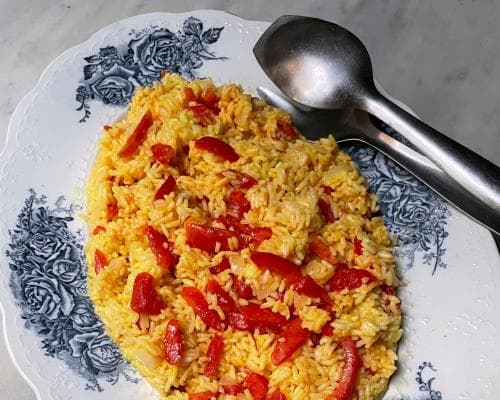
Take David Smale, a geophysicist by training, who now cultivates saffron on English soil. His advice is simple: to release the spice’s full potential, you must infuse the threads in liquid before using them. After a few minutes, the strands turn pale, and the water becomes a deep, glowing amber—a transformation that feels almost alchemical. It’s this kind of craft that appeals to the modern connoisseur, who understands that true luxury is not about excess but about precision and provenance. Saffron’s flavor is warm, pungent, and slightly metallic, with a hay-like fragrance that lingers on the palate. It pairs beautifully with buttered rice, ripe tomatoes, poached chicken, or even a soft-boiled egg—simple dishes that allow the spice to shine.
For the wealthy, saffron is more than a pantry staple; it’s a statement. It says you value patience, history, and the art of slow living. It connects you to a lineage of kings and merchants who traded this spice across continents, and to the anonymous hands that still pick it today. In a world of instant gratification, saffron demands something rare: time. And that, perhaps, is its ultimate allure. As the luxury market shifts toward experiential and artisanal goods, saffron is poised to become the next status symbol—not just for its price, but for the story it tells.
Looking ahead, the revival of English saffron is a sign of a broader movement: the desire for heritage, terroir, and authenticity in a globalized world. Whether you’re hosting a dinner party for twelve or simply elevating your Sunday rice, a few threads of this crimson gold can turn the ordinary into the extraordinary. The future of luxury is not about owning more—it’s about savoring better. And saffron, with its ancient roots and timeless appeal, is leading the way.
The Experience
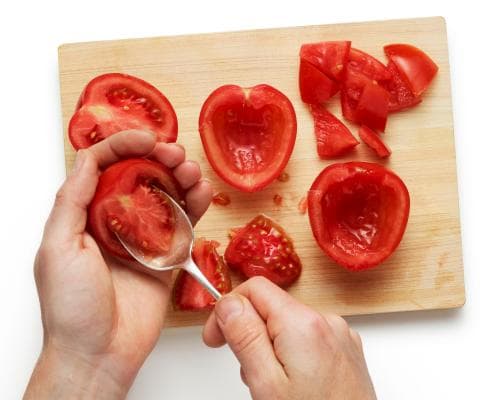
To taste the difference, source a small vial of English or Persian saffron from a specialty purveyor, and try Richard Olney’s buttered saffron rice with hand-peeled tomatoes—a dish that turns humble ingredients into a golden ritual.