The Streets That Built an Empire: Manchester's Unmarked Black History
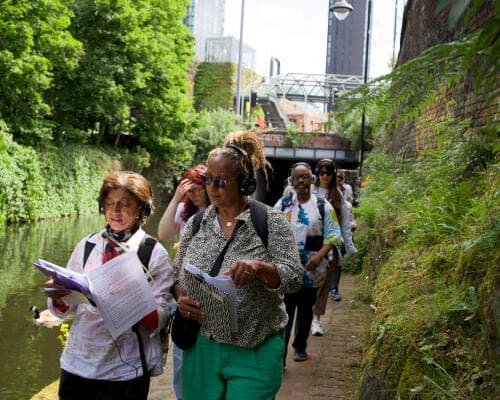
Imagine standing in a bustling Manchester square, the hum of modern life around you, and learning that the very ground beneath your feet once hosted a man who had just learned he was free. That man was Frederick Douglass, the great African American abolitionist, and the spot is now a Holland & Barrett. There's no plaque, no statue—just a health food shop. For a city whose fortunes were built on cotton picked by enslaved Africans, the silence is deafening. But now, a new series of walking tours is breaking that silence, and for those who collect experiences as passionately as they collect art, this is the ultimate insider access.
The Heritage in Action trail, launching on 7 October—World Cotton Day—is not your average history walk. Led by local historians Linford Sweeney, a Moss Side-raised genealogist, and urbanist Hayley Flynn, these guided walks peel back the layers of Manchester's Black history. They explore the lives of people whose labour made the city what it is and its direct relationship with transatlantic slavery. The events are produced by the Guardian's Legacies of Enslavement programme and the charity Greater Manchester Moving. From the "great crowd" of Black Georgians who gathered at the city's collegiate church in 1787 to campaign for abolition, to Pan-Africanist politicians who met in Manchester to lead postwar independence struggles, to artists like Nina Simone and Miriam Makeba whose concerts galvanised and inspired—this is a history that has been largely ignored, obscured, or erased.
Manchester is home to one of the UK's largest postwar Black communities, yet its public realm offers few commemorations. There are sculptures of Black peace campaigner Erinma Bell and Yomi Mambu, the city's first Black lord mayor, inside the town hall. But a bronze statue of Len Johnson—the British boxer, civil rights activist, and trade unionist—would be the first outdoor statue of a Black person in Manchester. The Len Johnson Memorial Campaign is fighting to make that happen. Meanwhile, the Peace Garden has a plaque commemorating enslaved Africans and a quote from abolitionist Olaudah Equiano, but both are dwarfed by a huge nearby statue of Abraham Lincoln. It raises a question: whose remembrance is privileged? The answer, until now, has been clear—and it's not Black history.
This is where the new trails come in. In May, the Guardian's Legacies of Enslavement programme funded trial walks for October's heritage trails. They explore landmark locations, including the spot in St Ann's Square where Douglass learned his freedom had been secured. The Decolonial Dogs heritage trail, led earlier this year by Bilal Zafar Ranjha and Elmi Ali, even stopped at that Holland & Barrett. The trail began at Manchester Cathedral, telling the story of the 1787 antislavery meeting led by Thomas Clarkson that led to one in five Mancunian adults—10,500 people—signing a petition for abolition. That's the kind of detail that turns a walk into a revelation.
For the ultra-wealthy, this isn't just a history lesson. It's a signal. In a world where luxury is increasingly about access and authenticity, the ability to engage with untold stories is the new status symbol. Anyone can buy a Birkin. Not everyone can say they've stood where Douglass stood, guided by the people who unearthed that story. These walks offer what money usually can't: a connection to a hidden past, a chance to see a city with new eyes. They're also a reminder that heritage is not just about grand houses and old masters. It's about the people whose labour and activism shaped the world we inhabit. And for collectors of experiences, that's priceless.
The tours are a collaboration between the Guardian and Greater Manchester Moving, a charity that improves wellbeing through physical activity. So you're not just learning—you're walking, moving, breathing the same air as the activists and artists who changed history. It's history as it should be: alive, on the streets, not behind glass. The trail runs on 7 October, World Cotton Day—a date that deliberately ties the city's wealth to the cotton that enslaved Africans were forced to pick. It's a powerful juxtaposition, and it's one that the wealthy should not ignore.
So if you're in Manchester on 7 October, or if you're looking for a reason to go, join the walk. It's not just a tour; it's a reclamation. And for those who understand that true luxury is about stories, not stuff, it's an opportunity to own a piece of history that has been hidden for too long. The city's Black history is finally getting its voice. Make sure you're there to hear it.
The Experience
To experience this exclusive heritage trail, book your place on the Heritage in Action walk in Manchester on 7 October. For a truly bespoke journey, arrange a private guided tour with local historians to delve deeper into the city's hidden Black history.