The Quiet Power Move: Locking In Energy Certainty While Others Shiver
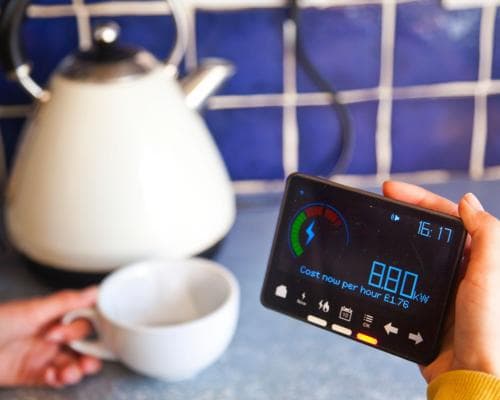
There's a moment every autumn when the thermostat becomes a status symbol. Not the shiny dial on the wall, but the quiet decision of who among us refuses to flinch at the rising cost of warmth. While the headlines scream about the highest energy bills in three years, a different kind of conversation is happening in the boardrooms and penthouses of Britain. It's not about cutting back. It's about locking in certainty—a move that feels less like a household chore and more like a strategic hedge against the cold winds of economic unpredictability.
The numbers are stark, and they're about to get starker. From October, the energy price cap in Great Britain will rise another 4%, following a 13% jump in July. For the 22 million households on default tariffs, that means paying the equivalent of £1,723 a year for typical gas and electricity usage—just as the radiators are about to come on. But here's the insider's secret: the smart money isn't waiting for the cap. They're already on fixed deals, or they're switching to one. Ofgem, the regulator, has all but rolled out the red carpet, noting that fixed tariffs are available at £100 or more below the October cap. That's not pocket change; that's a statement.
Consider the craftsmanship of the deal itself. A fixed tariff is a promise—a set standing charge and unit cost for a defined period, often one or two years. It's the financial equivalent of a bespoke suit: tailored to your usage, cut to withstand the seasons, and designed to make you look effortlessly ahead of the curve. The current crown jewel is a fixed tariff from Fuse Energy, priced at £1,550 a year for a typical home. That's £173 below the October cap and £113 below the current one. It comes in a 14-month version through Uswitch and Confused.com, or an 18-month variant via MoneySuperMarket. For those who prefer a different label, Co-op Energy, Octopus Energy, E.ON Next, and Ecotricity all offer deals saving more than £100 a year versus the cap. These aren't just utility contracts; they're curated choices for the discerning consumer.
What does this signal about wealth and taste? In a world where the ultra-rich are often defined by what they buy—yachts, art, rare vintages—there's a quieter luxury in what they lock in. Energy certainty is the new black. It says: I've seen the storm on the horizon, and I've already battened down the hatches. It's a hedge against inflation, a nod to fiscal prudence, and a subtle flex that you're not at the mercy of market whims. The 11 million households already on fixed tariffs are the ones who sleep soundly through price cap announcements. They're the ones who don't flinch when the January bill arrives. And they're the ones who, in the eyes of their peers, have mastered the art of the long game.
Looking ahead, the analysts at Cornwall Insight are predicting more pain in January, and the whispers of further increases are growing louder. But for those who act now, the future is a fixed, predictable line on a spreadsheet—not a jagged spike of anxiety. The move is simple: a quick check on a comparison site, a few clicks, and you've secured your rate through the coldest months and beyond. It's not about being cheap; it's about being smart. In the world of billionaires, where every decision is a signal, choosing a fixed energy tariff is the quiet power move that speaks volumes. After all, true luxury isn't just about what you can afford—it's about what you refuse to overpay for.
The Experience
Ready to lock in your own rate of certainty? A quick visit to a comparison site like Uswitch or MoneySuperMarket can reveal fixed deals tailored to your usage—often in under ten minutes.