The Brotherhood Behind the Bucking Chutes: Inside the Bill Pickett Rodeo
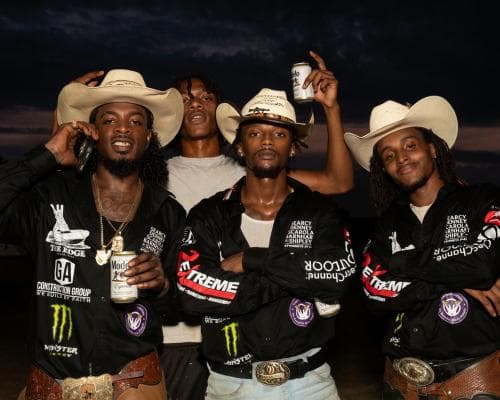
Picture the cowboy. The image that probably just surfaced—Stetson, spurs, sun-scorched silence—has been almost exclusively white for a century of film and folklore. Now picture a man named Josh, a bronc rider with Outlaws Most Wanted, tearing around a Georgia arena to a pounding hip-hop track while his teammates roar from the rail. That contrast isn't a gimmick. It's a correction. And for anyone who collects rare things, it's a reminder that the most valuable stories are often the ones that were almost erased.
The event is the Bill Pickett Invitational Rodeo, and its 2026 tour runs from February to October, hitting Memphis, Atlanta, Oakland, and Los Angeles. The name comes from Bill Pickett, born in Texas in 1870, one of the most celebrated Black cowboys and rodeo performers of his era. Pickett popularized bulldogging—the art of leaping from a horse onto a steer and bringing it down by the horns—a move that evolved into modern steer wrestling. He wasn't an anomaly. After the Civil War and the abolition of slavery, many African Americans found work on ranches and on the great cattle drives westward. By the late 19th century, historians estimate roughly one in four cowboys was Black. The myth just never caught up.
The man who forced the issue was Lu Vason. In 1977, he attended Cheyenne Frontier Days and noticed something glaring: no Black cowboys in the arena. His research led him to the Black American West Museum in Denver, where he found Pickett's story. In 1984, Vason created a rodeo to give Black cowboys and cowgirls a stage. More than forty years later, that mission still drives the event. Part sport, part spectacle, part living archive, it's the kind of heritage play that luxury houses spend millions trying to manufacture. Here, it's earned.
What struck me most, joining the tour in Atlanta this August, was the texture of it. At Diamondcut Ranch, where horses are trained and a wider riding community has formed, I met the Outlaws Most Wanted, a team of bronc riders. The organizers let me behind the barriers on one condition: stay with them. So I stood in the narrow space just off the arena, where riders wait and ready their gear. Music everywhere. Jokes, challenges, riders who'd traveled long distances needling each other like brothers. The energy climbs as each turn nears—until a rider has to step away from all that collective noise and focus on the few seconds waiting for him in the dirt.
That's the real luxury here. Not a VIP tent. Not a bottle-service paddock. A family on horseback waiting to enter the arena, passing down a culture through generations. A team that builds each other up before sending one man out alone. Rachied Robins, known as Django, and his teammates aren't performing authenticity for an audience. They're living a lineage that predates the Marlboro Man by decades. In a world where status is increasingly about access to stories no one else can tell, this is the rare circle you can't buy into—only respect.
So watch this space. As the 2026 tour rolls on, the Bill Pickett rodeo is quietly rewriting what heritage looks like in America: Black, intergenerational, and unapologetically its own. For the collector of experiences, the tastemaker tired of the same velvet rope, the answer isn't another members-only club. It's a dusty arena outside Atlanta, a hip-hop track, and a brotherhood that's been here all along.
The Experience
To experience this world, attend a 2026 Bill Pickett Invitational Rodeo tour stop—Atlanta, Oakland, or Los Angeles—and arrange a private visit to a working ranch like Diamondcut to ride with the community firsthand.