The Price of Warmth: Why Even the Wealthy Should Watch Britain's Energy Throne
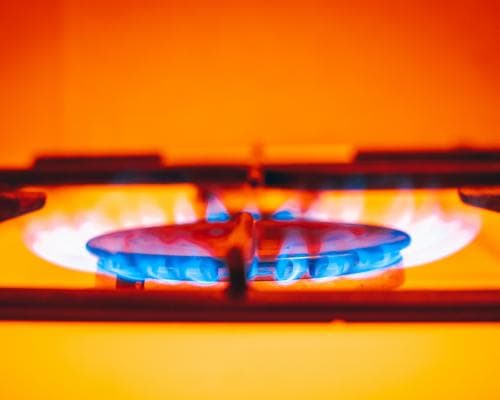
There is a particular chill that no cashmere can ward off—the one that creeps in when the global machinery of comfort stutters. For the 22 million households in Great Britain about to feel the bite of a 4% rise in energy bills this October, that chill is literal. But for those of us who view the world from a penthouse or a private island, this isn't just a story about household budgets. It's a barometer of geopolitical turbulence, a whisper of supply-chain fragility, and a stark reminder that the most coveted luxury of all is not a limited-edition tourbillon, but the quiet, absolute control over one's own environment.
The numbers, as they always are, are a language of their own. The new cap, set by the regulator Ofgem, translates to £1,723 for a typical household's annual gas and electricity—the highest in three years, a crown no one wants. This follows a 13% leap in July, a double blow that has been orchestrated by soaring global market prices, themselves a byproduct of the war on Iran. For the average earner, this is the relentless erosion of living standards, a phrase that Citizens Advice's chief executive, Clare Moriarty, put with chilling precision. But look closer, and the real story is not the pence per kilowatt-hour—which will rise to 26.32p for electricity and 7.97p for gas—but the tectonic shift in the energy landscape that these figures represent. The standing charges, those daily tolls for merely existing, are also climbing, a subtle but persistent tax on the very act of being.
Now, let's talk about the true currency of the elite: perception. The government's own calculations have been quietly revised, assuming we all use less energy because we can't afford it. Under the old math, the cap would have been a staggering £1,940.69. That admission is a masterclass in narrative control, a way to soften a blow that is, in real terms, far heavier. The cost of a kilowatt is not just a number; it's a measure of geopolitical risk, a shadow of the war in the Middle East, and a reflection of a supply chain that can be held hostage by a single storm or a single missile. For the truly savvy, this is a signal to diversify—not just portfolios, but energy sources. The solar array on a Berkshire estate or the geothermal loop under a Manhattan townhouse is no longer a vanity project; it's a hedge against the chaos of the public grid.
This is where the conversation pivots from policy to prestige. The era of the energy baron is over; the era of the energy autark is here. The ultra-wealthy have always understood that true independence is the ultimate status symbol. A private jet isn't about speed; it's about not waiting in line. A superyacht isn't about size; it's about not sharing a harbor. Now, the most discerning are applying that same logic to their utilities. The smart home of the future isn't just about automated lighting; it's about a microgrid that can sever ties with the national network at the flick of a switch. The new luxury is resilience—the ability to heat a 20,000-square-foot mansion without a single thought to Ofgem's latest edict.
This winter's price hike is a reminder that the old rules of wealth are shifting. It's no longer enough to simply earn more; you must also insulate yourself from the systemic shocks that rattle the middle class. The £350-a-year increase compared to 2024 is a triviality for a billionaire, but the *principle* is not. It's the principle that the state, with all its promises and windfall taxes, cannot guarantee the stability that private infrastructure can. The calls for a windfall tax on banks and energy companies, while politically charged, miss the point for our readers. The point is not to punish the winners of this new world order, but to join them. To build a life where the weather outside is a mere curiosity, not a financial threat.
As the winter winds blow, watch the horizon. The future of luxury is not in what you own, but in what you can control. The man who can keep his estate at a perfect 21 degrees Celsius, regardless of the chaos in the global markets, is the man who has truly arrived. He doesn't read the energy price cap headlines with anxiety; he reads them with a quiet, knowing smile, because he's already moved beyond the grid. The price of warmth is rising, but for the few, the cost of independence has never been more worth it.
The Experience
For a truly independent lifestyle, consider consulting with a private energy advisor to explore bespoke microgrid and geothermal solutions for your primary residence, ensuring your comfort is never at the mercy of external markets.