The NRL’s £35M Super League Bid: Why Rugby League’s Richest Asset Is Playing Hard to Get
As Leeds Rhinos top the Super League table, the real battle is off the pitch: clubs just rejected an NRL investment offer worth £7m a year for equity, betting they can command a higher price for the sport’s commercial future. For wealth builders, it’s a live case study in how asset owners value control, growth, and legacy over a quick cash injection.
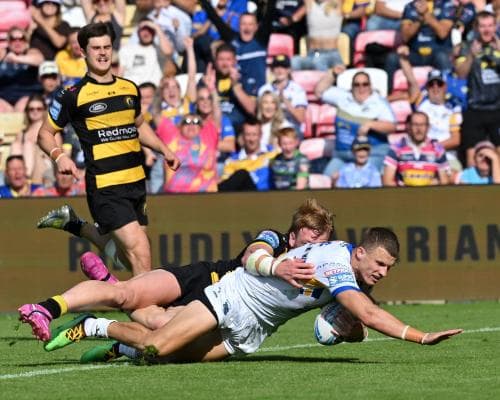
The most valuable play in British rugby league this season isn’t a try-scoring burst or a last-minute tackle. It’s a spreadsheet. With three rounds left before the Super League playoffs, Leeds Rhinos sit top of the table after a gritty win at York — but the real action is happening in boardrooms, where the sport’s biggest potential investor just got told to come back with a better offer. The NRL, Australia’s cash-rich rugby league powerhouse, dangled £7m a year for five years in exchange for equity in Super League. The clubs blinked, then said no. That rejection is a masterclass in negotiating from a position of strength — or a dangerous gamble on a sport that’s been fighting for relevance and revenue for a decade.
Let’s size the deal. The NRL’s proposal would have injected £35m over five years — a meaningful lifeline for a competition whose clubs have long struggled to balance books against their southern hemisphere rivals. In exchange, the NRL wanted a slice of Super League’s equity, a foothold in the UK market, and a say in how the sport is run. But the clubs’ rejection sends a clear signal: they believe Super League is worth more. The question is whether they’re right. The NRL isn’t just any investor — it’s the most successful rugby league competition in the world, with broadcast deals and commercial partnerships that dwarf Super League’s. Its interest validates the product’s potential, but the clubs are betting that potential is underpriced.
The numbers tell a story of a sport at a crossroads. Super League’s current broadcast deal with Sky Sports runs through 2026, reportedly worth around £40m a year across the entire sport — a fraction of the NRL’s A$400m annual TV contract. But the NRL’s interest suggests they see untapped value in the UK market, from grassroots participation to a passionate fan base that packs stadia like Headingley and Wigan’s DW Stadium. The clubs’ rejection isn’t just about price; it’s about control. Equity means a voice in governance, scheduling, and revenue sharing — decisions that could reshape the sport’s identity. The pro-NRL faction argues that without the Australian giant’s expertise and capital, Super League will stagnate. The skeptics fear becoming a feeder league, losing autonomy to a foreign power that doesn’t understand the UK’s sporting culture.
This is where it gets fascinating for anyone who follows money in sports. The NRL’s bid is a classic private-equity style play: inject capital, professionalize operations, and grow the asset for a future exit. But Super League clubs are acting like founders, not fund managers. They’re saying, “We know what we have, and we won’t sell cheap.” That’s a bold stance for a league that’s seen its profile shrink over the past two decades, with stars lured to the NRL’s higher wages and the England national team struggling to compete internationally. Yet the timing is deliberate. The rejection came just as the season’s climax approaches, with Leeds and Wigan set to face off on 5 September in a match that could decide the League Leaders’ Shield. The clubs are leveraging that visibility — the packed stands, the TV cameras, the drama — to make their case that Super League is a growth asset, not a distressed one.
For the wealthy and the institutional investors watching from the sidelines, this is a textbook negotiation. The NRL’s offer was a floor, not a ceiling. By rejecting it, Super League’s owners are signaling they want a valuation that reflects the sport’s cultural weight and untapped commercial potential — think media rights, sponsorship, and international expansion. The risk is that the NRL walks away, leaving the clubs with no suitor and a missed opportunity to secure the sport’s long-term future. But the reward is a deal that could transform Super League from a regional curiosity into a globally traded property. The clubs’ unity will be tested in the coming weeks, as the NRL’s backers — reportedly including some of Australia’s wealthiest sports magnates — decide whether to sweeten the pot or move on.
What happens next will ripple far beyond rugby league. If the NRL returns with a richer offer, it will validate the clubs’ patience and set a new benchmark for how mid-tier sports leagues value themselves in a world of global media and streaming wars. If it doesn’t, Super League will have to prove it can grow without external capital — a harder path, but one that keeps control in the hands of those who know the game best. Either way, the message to investors is clear: in sports, as in markets, the price of an asset is ultimately what the owner believes it’s worth. And right now, the owners of Super League are betting that their asset is a blue-chip stock, not a penny share. The next few months will show whether that bet pays off — on the pitch and in the boardroom.