Dangote Refinery IPO Opens to Kenyan and Ugandan Investors as East Africa Secures 20% of Float
Uganda and Kenya fast-tracked approval for local investors to buy into the $16bn Dangote Refinery IPO, with East Africa securing nearly 20% of public shares.
Lagos built it, but Nairobi and Kampala just bought the keys to the gate. When regulators in Kenya and Uganda cleared their citizens to subscribe to the Dangote Refinery's $16 billion initial public offering, they did something African capital markets rarely manage: they moved fast, and they moved together. For anyone who tracks where African wealth is made and who gets to own it, this is the week the map redrew itself.
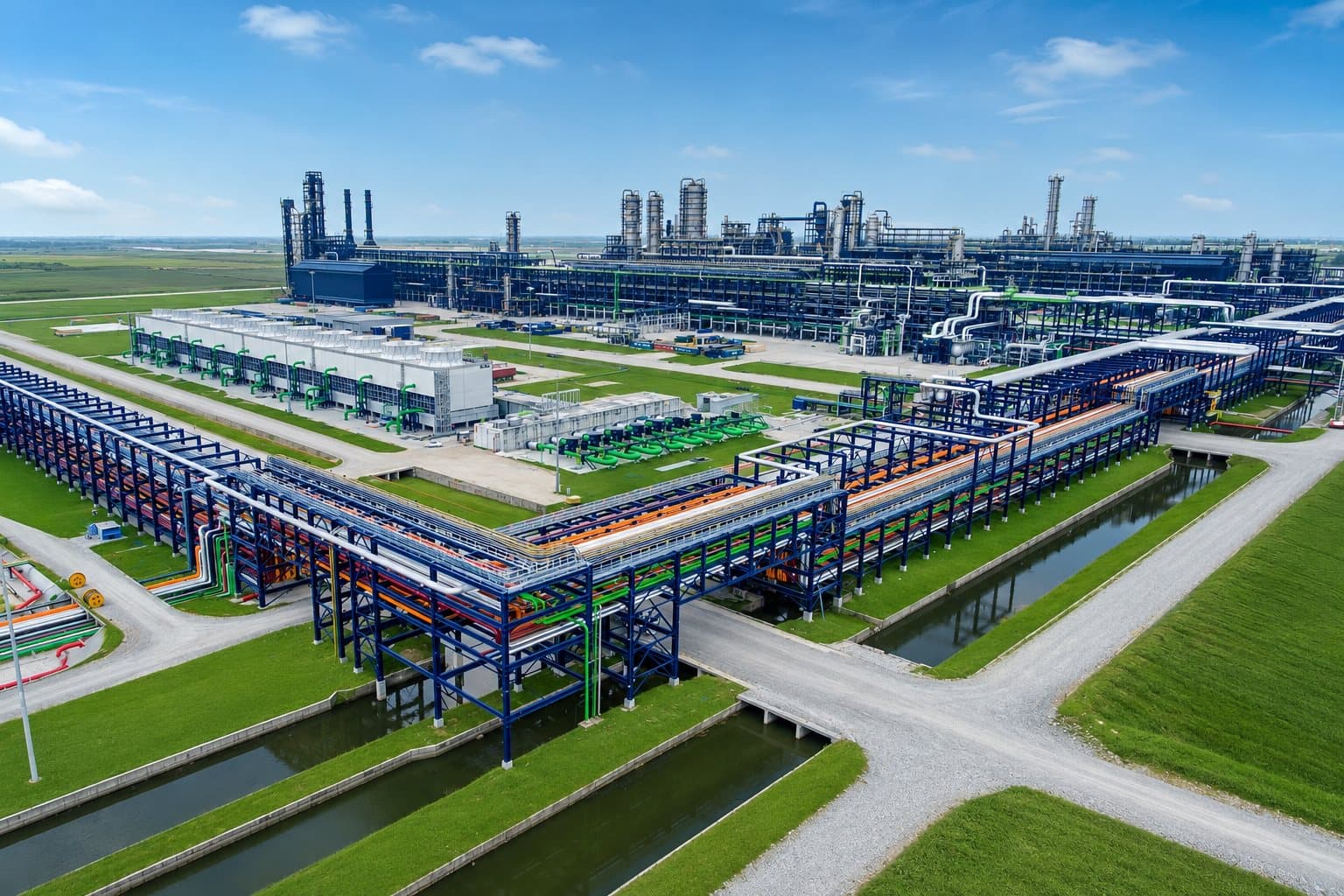
The mechanics are straightforward enough. The refinery — a single-train facility in Nigeria's Lekki free zone, long billed as the continent's largest — has launched its long-awaited IPO at a reported $16 billion valuation. What sets this float apart is the allocation: management has carved out close to 20% of the entire public offer for East Africa, and both Uganda and Kenya formally greenlit the offering for their domestic investors. Not a token tranche. A multi-billion-dollar slice of equity, opened to retail buyers and pension funds alike, from Mombasa to Kampala.
To understand why that matters, you need the backstory. Aliko Dangote, Africa's most recognisable industrialist, spent years and billions building a refinery designed to break a humiliating continental loop: Africa pumps crude and then imports the refined product back at a premium. Nigeria, despite being a major oil producer, has long depended on imported fuel. The Dangote plant was conceived as the answer — processing domestic crude at home, for home, and potentially for neighbours. An IPO turns that industrial bet into a publicly tradeable asset, and the decision to reserve a fifth of it for East African investors turns a Nigerian story into a continental one.
What makes the East African leg genuinely unusual is the regulatory choreography. Cross-border listings of this scale normally crawl through years of paperwork, licensing and political hesitation. This time, Nairobi and Kampala cleared the way in record time — a signal that both capitals see the offering as strategic, not merely financial. Kenya's capital markets have been hungry for large, credible listings; Uganda's pension industry has been hunting for diversification beyond domestic bonds and a handful of bank stocks. A stake in the world's largest single-train refinery fits both appetites neatly.
The deeper significance is about direction of flow. For decades, African mega-projects were financed by Western banks, Chinese loans or Gulf sovereign capital, with the profits eventually leaving the continent. Here, the pitch is inverted: African institutions and retail investors buying into African infrastructure, with the upside staying closer to home. That does not make the refinery risk-free — refining margins are cyclical, crude supply arrangements are complex, and execution risk at this scale is real. But the structure of the deal says something about intent. Intra-African capital markets are being asked to act like what they have long claimed to be: a genuine pool of investment capital.
Watch the secondary effects. If the East African tranche is well subscribed, it hands Nairobi and Kampala a powerful precedent — proof that regional exchanges can absorb and distribute serious industrial equity, not just government paper and telecom listings. That could push other African conglomerates to consider regional floats rather than defaulting to London or New York. It also gives East African pension funds a new asset class and a new narrative for their members. The refinery's smoke stacks sit in Nigeria. The shareholder register, increasingly, will not.
For a continent that has spent a generation watching its resources enrich others, the symbolism is hard to miss. The question now is whether this becomes a template or a one-off. If the East African allocation fills, expect copycats. If it stumbles, expect the old scepticism to return. Either way, the paperwork is signed, the doors are open, and for the first time a Kenyan teacher and a Ugandan fund manager can own a piece of Africa's biggest energy gamble. That is not a talking point. That is a shareholder register.