Saudi proptech Project Suppliers raises $1m pre-seed to tackle construction's cash-flow crunch
Saudi startup Project Suppliers raised $1m pre-seed from angel investors to build AI cash-flow tools for MEP and construction suppliers facing delayed payments.
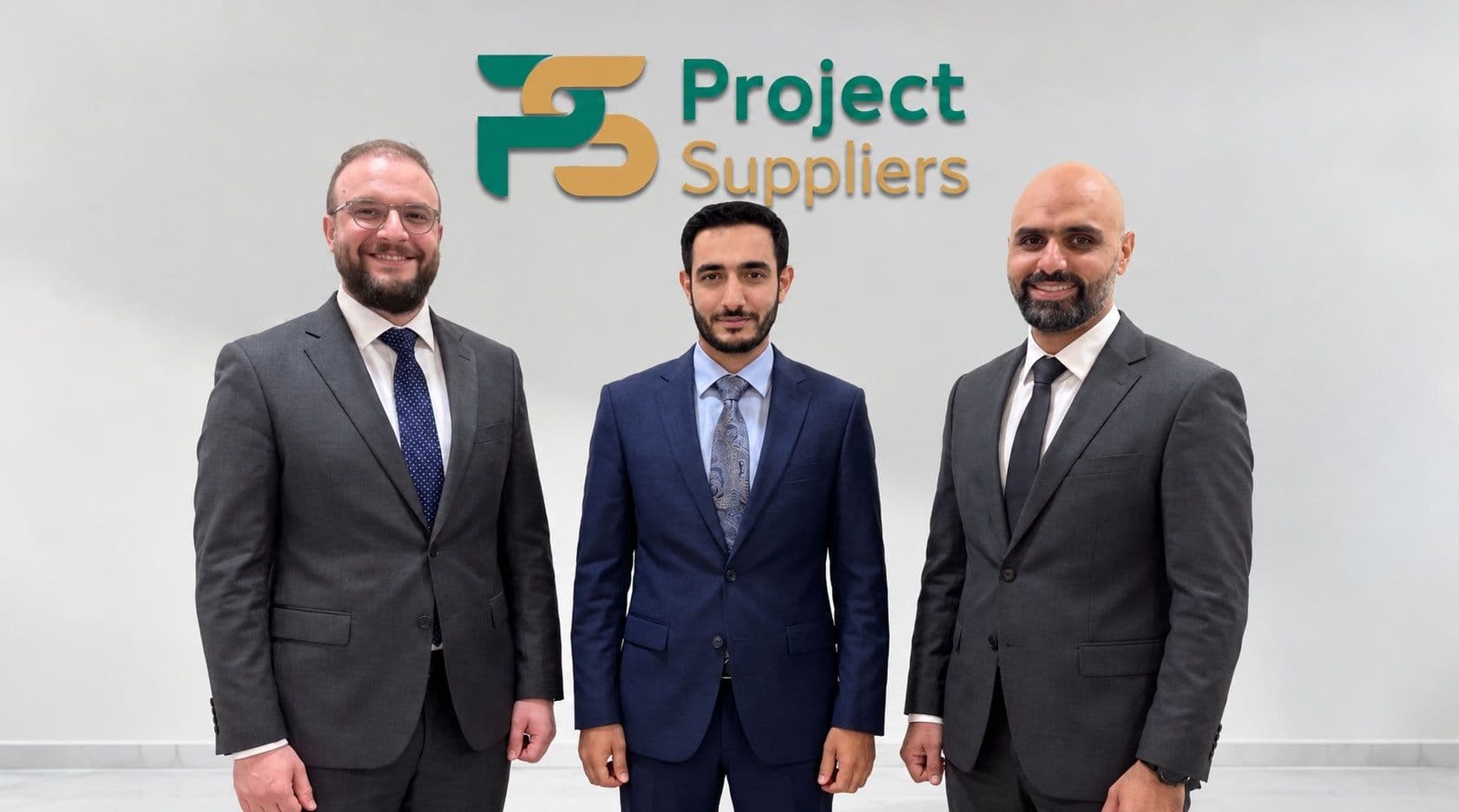
Riyadh's construction boom has a quiet plumbing problem, and it is not the pipes. The kingdom's MEP contractors — the firms that wire, cool and pipe every tower rising under Vision 2030 — are winning record work while waiting months to get paid for it. A small Saudi startup has just convinced a group of angel investors that software can loosen that knot.
Project Suppliers, a construction and procurement technology company based in Saudi Arabia, has raised SAR3.75 million ($1 million) in its first pre-seed round. The investors were not disclosed. Co-founded in 2020 by Hossam Gaber, who serves as CEO, the company runs a digital marketplace that connects suppliers and buyers across the construction and procurement sectors. Its platform offers a specialised search engine, quotation requests, transaction tracking and reporting. The company says its database now holds more than 12,000 suppliers and contractors, with nearly 600,000 requests for quotations submitted through the system.
The new capital will fund a suite of cash-flow management products aimed squarely at mechanical, electrical and plumbing suppliers and contractors. Project Suppliers plans to apply artificial intelligence to the operational data its platform already generates, building predictive and financing tools that help businesses manage liquidity, cope with delayed payment and collection cycles, and smooth out supply chains. The company is also preparing to roll out new financial and technology solutions for contractors and suppliers in Saudi Arabia, with ambitions to extend the offering across the wider GCC.
For readers who track Gulf capital, the interesting signal is not the cheque size — $1 million is modest even by regional pre-seed standards. It is what the round says about where Saudi money is looking. Vision 2030 has unleashed a pipeline of giga-projects: NEOM, the Diriyah Gate redevelopment, Qiddiya, new stadiums ahead of the 2034 World Cup. Those projects have made construction one of the kingdom's most crowded sectors. Less visible is the working-capital strain on the subcontractors and suppliers who actually execute the work. Late payments between contractors and suppliers are a structural feature of the market, not a bug, and they can strangle smaller firms even as order books swell.
That is the gap Project Suppliers is targeting. Gaber framed the raise as arriving at a pivotal moment, arguing that the MEP supply and construction sector is a backbone of Saudi projects under Vision 2030 but continues to face structural challenges around cash flow and delayed financial settlement cycles. It is a candid description of a problem the industry rarely advertises. The company's pitch is that the same platform generating quotations and transaction records can also generate the data needed to predict, and eventually finance, those gaps.
The broader context is a Saudi startup scene that has matured fast. Venture funding into the kingdom has grown sharply over the past few years, and fintech-adjacent models — embedded finance, supply-chain finance, B2B marketplaces — have become favourite hunting grounds for angel and institutional investors alike. Construction technology, by contrast, remains under-served relative to the sector's weight in the economy. A pre-seed round of this size will not change Riyadh's skyline. But if Project Suppliers can turn quotation data into credit signals, it would be selling something the Gulf's builders have needed for years: visibility into when the money actually arrives.
The next test is execution. The company has said it will launch its new financial and technology products for contractors and suppliers in Saudi Arabia before pushing into the wider GCC. Watch whether the AI cash-flow tools move from pilot to paying customers, and whether the region's banks and fintechs decide this niche is worth partnering with rather than competing against. In a market where delays are the norm, whoever solves the timing problem earns more than a rounding error.