The New Price of Precious: How Water Scarcity Is Becoming the Ultimate Luxury Commodity
Imagine this: you’re hosting a summer soirée at your Cotswolds estate, the lawn a perfect emerald carpet, the fountain dancing in the heat. Then the bill arrives—and it’s double what it was last July. Not because you used more, but because the rain didn’t fall. Welcome to the future of water in England and Wales, where scarcity is about to carry a price tag as sharp as a bespoke suit. Ofwat, the sector’s regulator, is quietly exploring a concept that sounds straight out of a ride-hailing app: surge pricing for H2O. In times of drought, your taps could cost more—not as a penalty, but as a nudge. Think of it as the ultimate market correction, where the most essential resource on Earth finally gets the valuation it deserves.
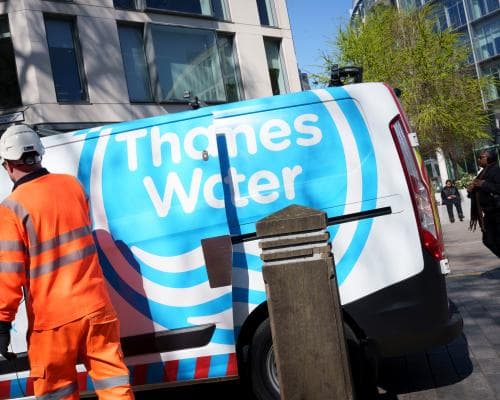
The proposal, first reported by the Sunday Telegraph, would allow water companies to factor “water scarcity” into their charges, effectively raising bills when reservoirs run low. It’s a bold pivot from the industry’s usual flat-rate model, and it arrives at a moment of public fury. Just days before, Greater Manchester’s mayor, Andy Burnham, called out the water firms for treating customers like a “blank cheque,” after five companies—Southern Water, Thames Water, Severn Trent, Wessex Water, and South East Water—were greenlit to hike bills even more before the decade’s end. The backdrop? A summer so dry that nearly three-quarters of England and all of Wales were officially in drought. Leaky pipes, campaigners note, lose far more water than any hosepipe ban could save. And yet, the industry’s answer isn’t just repair—it’s reprice.
But before you cry foul, consider the craftsmanship angle. This isn’t a clumsy tax; it’s a tariff innovation. South West Water is already trialing a “rising block tariff” with 500 households, where the first block of water is cheap, and every drop after that costs more—a sliding scale that rewards restraint. The company says 90% of its customers would see lower bills under this model. Anglian Water, serving the driest region in the UK, is experimenting with seasonal pricing: water in August costs more than water in January. These aren’t just billing tweaks; they’re behavioral design, a gentle hand on the elbow of consumption. For the ultra-wealthy, this is the new frontier of bespoke utility—where your water plan is as tailored as your portfolio, and where paying more for a summer shower becomes a badge of environmental consciousness, not a burden.
This is the signal, then: water is becoming a luxury good. Not in the sense of a diamond-encrusted bottle (though that exists), but in the way that scarcity creates status. When the price of something rises, it becomes a marker of those who can afford it—and those who can’t. For the affluent, this is an opportunity to lead by example. Imagine the conversation at the club: “Yes, my water bill tripled this summer, but I’m proud to pay it—it’s the cost of stewardship.” That’s the new philanthropy, the new green credential. The luxury market has long traded in exclusivity—limited-edition watches, private islands, rare vintages. Now, it’s trading in responsibility. The wealthy aren’t just buying water; they’re buying the right to use it wisely, and the narrative that comes with it.
Looking ahead, this could redefine the very notion of a utility. No longer a boring line item, water becomes a dynamic asset, fluctuating with the seasons and the climate. For the forward-thinking investor, this is a sector to watch—not just in stocks, but in lifestyle. As Ofwat finalizes its decision, expect more trials, more innovation, and perhaps a new breed of water consultants who help the wealthy optimize their consumption for both cost and conscience. The era of unlimited, mindless water is over. The era of curated, conscious consumption has begun. And for those who can afford it, that’s not a threat—it’s the ultimate luxury: the ability to pay for what matters, and to do so with grace. So the next time you turn on the tap, remember: you’re not just using water. You’re participating in a market that’s finally pricing in the planet. And that, my friends, is priceless.
The Experience
To experience the future of water luxury, consider a private consultation with a sustainability advisor who can design a bespoke water usage plan for your estate—or simply embrace the rising block tariff as your new status symbol.