The New Power Play: Why the World's Elite Are Watching Podcasts, Not Just Listening
There was a time, not so long ago, when the podcast was the last sanctuary of the ear—a private soundtrack for the commute, the gym, or the quiet ritual of ironing a bespoke shirt. But in 2026, that sanctuary has been invaded by the lens. The medium that once lived in your headphones now demands your eyes. And for those who shape culture, command markets, or simply curate their own attention, this shift is not just a curiosity; it’s a seismic realignment of influence.
The numbers tell the story. YouTube, after dethroning Spotify as the preferred podcast platform in the US in 2024, has now conquered the UK in 2026. Netflix, in a landgrab that reeks of a certain desperation, began streaming video versions of podcasts from the likes of The Ringer, iHeartMedia, and Barstool in January. Spotify, desperate not to be left behind, has turbocharged its own video capabilities. The message is unmistakable: the audio-only era is over, and the visual pod is the new sovereign.
But let’s be honest—this pivot is not about aesthetics. It’s about power. Video transforms a podcast from a private conversation into a public performance. The camera doesn’t just record; it amplifies. And for the creators, it’s a golden ticket to virality. Clips of the best moments, shared across social media, become the new currency of attention. For smaller podcasts, this is a lifeline—a way to compete with the big spenders without a seven-figure marketing budget. For the giants, it’s a moat. And for the audience, it’s a choice: do you listen, or do you watch? The answer, increasingly, is both.
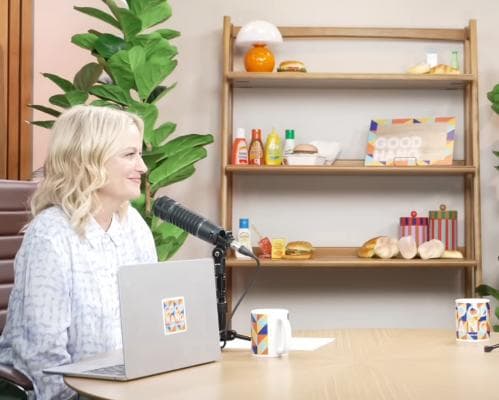
Of course, not everything translates. The studios that once felt like intimate salons now resemble Ikea showrooms circa 2008, with felt throw cushions and chairs that look designed for a photoshoot, not for conversation. You can almost hear the podcasters’ backs cracking as they swivel between guest and lens, trying to be present for both. It’s a performance, and some are better at it than others. Comedians, as it turns out, thrive under the glare; their timing, their faces, their deadpan expressions—all of it becomes part of the comedy. But for the introspective interviewer, the quiet philosopher, the camera can be a thief, stealing the very intimacy that made the medium special.
Yet, for the ultra-wealthy, this shift is not a loss; it’s an opportunity. The video podcast is the new boardroom, the new salon, the new club. It’s where deals are hinted, opinions are shaped, and reputations are built or burned. Watching a podcast is no longer passive; it’s a form of intelligence gathering. You see the body language, the micro-expressions, the subtle power dynamics that audio could only hint at. It’s the difference between reading a transcript of a negotiation and being in the room. And in a world where information is the ultimate luxury, that’s worth everything.
So, what does this mean for the future? Expect more mergers, more platforms, more cross-pollination between streaming giants and podcast studios. Expect the lines between podcast, talk show, and documentary to blur until they’re indistinguishable. And expect the next generation of tastemakers to be as comfortable in front of a camera as they are behind a microphone. The pivot to video is not a trend; it’s a transformation. And for those who can adapt, the rewards are immense. The podcast, once a humble audio file, has become a stage. And on that stage, the world’s elite are performing, watching, and—whether they admit it or not—learning to love the glare.
The Experience
To experience this evolution firsthand, commission a private video podcast studio setup for your home or office, complete with broadcast-grade cameras and acoustics—or book a session with a leading podcast producer to craft your own visual series.