The Billion-Dollar Table: Why Spades Remains the Ultimate Status Game
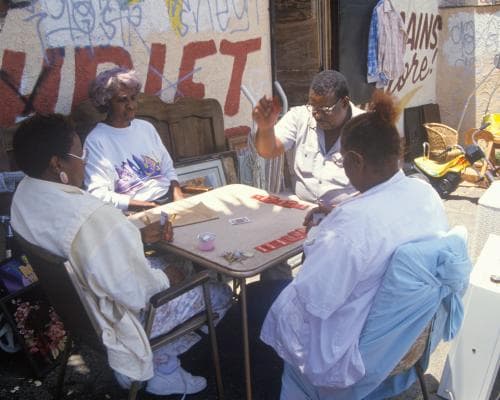
In the rarefied air of private jets and penthouse lounges, the true currency isn't gold or stock options—it's the unspoken bond of a well-played hand. Walk into any high-stakes gathering where old money meets new, and you'll find it: a table that hums with tension, laughter, and the slap of cards. This isn't poker, with its bluffs and cold calculations. This is spades—a game that has quietly ruled Black family reunions, military barracks, and now, the inner sanctums of the ultra-wealthy, for generations. It's the game where your reputation isn't built on what you own, but on how well you read your partner's mind.
The allure is primal. At its core, spades is a four-person, two-team contest of strategy and trust. You and your partner bid on the number of "tricks" or "books" you'll take—the highest card in each round wins. But the real game is the silent communication. You must sense when your partner is in trouble, adjust your play, and risk a "nil" bid—declaring you'll take zero tricks—which can cost your team 100 points if you fail. It's a dance of intuition and nerve, where a single misread can cost you the match. The first team to 500 points wins, but the true prize is the bragging rights until the next gathering. This is why, as Rachel Young-Love recalls, the spades table at her family reunions was always the loudest, the most crowded, and the most coveted seat in the house. She had to wait until adulthood to be allowed in, and even then, she bided her time. The table is a proving ground, and entry is earned.
What makes spades so uniquely powerful is its accessibility paired with its depth. A standard 52-card deck, bought absentmindedly at a grocery store, becomes the great equalizer. It brings together an intergenerational mix—from college dorm rooms to army barracks—all bound by the same rituals of smack talk and sidelong glances. But don't mistake simplicity for shallowness. The game's complexity is its secret weapon. Regional variations, family house rules, and the nuanced art of "bags"—extra tricks that carry a 100-point penalty if you collect ten—mean that mastery takes a lifetime. Tony Jackson Sr., who learned in the military, remembers his first game vividly: "I knew just enough to be dangerous to my partner, and I suffered the humiliation of getting beat down." That humility is the price of entry, and it's why those who dominate the table command a different kind of respect.
In the world of luxury, where exclusivity is often bought, spades offers something money can't: earned status. The game has become a fixture at high-end fundraisers, where a beloved competition meets charitable cause, and in private clubs where the stakes are less about cash and more about legacy. To be invited to a spades table is to be trusted. To win is to prove you can think three moves ahead, trust your partner implicitly, and handle pressure with grace. These are the same traits that close billion-dollar deals. No wonder the game has found its way into the boardrooms and backgammon rooms of the elite. It's a marker of taste—not in what you wear, but in how you play.
Looking forward, spades is poised for a renaissance among the next generation of wealth. As digital detoxes and authentic experiences become the ultimate luxury, the tactile thrill of a card game that demands your full presence is irreplaceable. The trophies at family tournaments are becoming more ornate, the tables more coveted. This isn't just a pastime; it's a heritage skill, passed down like a vintage watch or a private jet charter. To sit at that table is to claim your place in a lineage of strategy and swagger. And for those who haven't yet earned their seat, the message is clear: study the game, respect the partner, and be ready to pay your dues. The rewards are far richer than any stock portfolio.
The Experience
Host an intimate spades night at your estate with a custom deck from a luxury atelier, or book a private table at a members-only club in Atlanta or New York where the game is taken as seriously as the wine list.