The New Caviar: Why Tinned Fish Became the Ultimate Status Pantry Staple
There is a moment, somewhere between the arrival of the Champagne and the first course, when a host’s true culinary confidence reveals itself. It is not in the truffle shavings or the caviar service—those are crutches. It is in the humble tin of sardines, set out on a hand-thrown ceramic plate, glistening under a slick of golden olive oil. That is the move. And if you haven’t yet noticed it at the tables of the world’s most discerning hosts, you will. Because the most coveted item in the luxury pantry right now is not a vintage Bordeaux or a jar of white truffle honey. It is fish, preserved in a tin, and it is having a moment that borders on obsession.
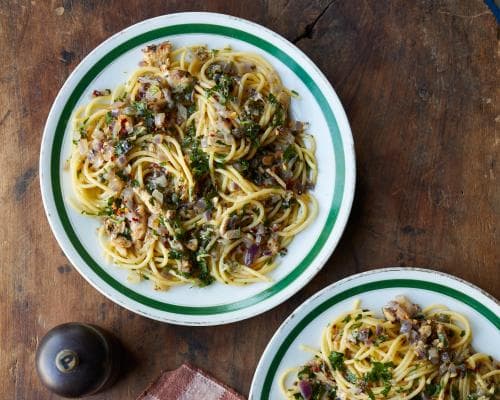
The story begins, as so many great culinary tales do, with a recipe. A chef named Rowley Leigh—one of Britain’s most respected culinary voices—once taught a young food writer a simple pasta dish: tinned sardines, fennel, chilli, lemon zest, and a heap of al dente spaghetti. It was a recipe born of thrift, but it became a quiet legend. The writer, who has since made that dish hundreds of times, admits she can no longer remember the original proportions. She wants to go back to the source. That devotion—that almost archival reverence for a tin of fish—is exactly what has turned this humble staple into a status symbol. It is no longer about necessity. It is about discernment. Knowing which can to open, and how to serve it, has become a marker of taste that money alone cannot buy.
The numbers tell a story of their own. The global tinned fish market has been growing steadily, but the real surge is in premium products. Artisanal producers like Giribizzi in Sicily and La Belle-Iloise in Brittany are now flown into the pantries of private chefs and Michelin-starred kitchens. Rockfish in the West Country and Sea Sisters in Dorset have elevated the craft with meticulous sourcing and small-batch canning. And The Tinned Fish Market, with stalls in London’s Borough and Old Spitalfields markets, has become a destination for collectors who treat each tin like a limited-edition print. These are not your grandmother’s sardines. They are hand-packed, often in extra-virgin olive oil or spiced brine, and they carry a depth of umami that develops over months in the can—a slow, patient transformation that mirrors the aging of a fine wine.
What makes this so compelling is the craftsmanship. The best tinned fish is a study in timing and restraint. The fish are caught at their peak, cleaned, cured, and sealed within hours. The oil or brine is chosen with the same care a vintner gives to oak. The result is a product that is both humble and extraordinarily complex. It is also sustainable, which matters increasingly to the ultra-wealthy who want their indulgences to be guilt-free. Sardines, mackerel, and anchovies are rich in omega-3s, and when sourced responsibly, they are among the most ocean-friendly proteins available. But the true luxury lies in the provenance. Knowing that your tin of sardines came from a specific cove in Brittany, or that the fennel in the recipe was wild-harvested in Sicily, is the kind of detail that separates a connoisseur from a casual consumer.
This is not just a food trend. It is a signal. In a world where excess is often mistaken for elegance, tinned fish represents the opposite: restraint, intelligence, and a quiet confidence that you don’t need a gold leaf to impress. It is the culinary equivalent of a minimalist watch or a perfectly tailored suit. It says, I know what I’m doing. The rise of premium tinned fish also reflects a broader shift in luxury—away from ostentation and toward experience and story. The best hosts are no longer asking, “What is the most expensive ingredient?” They are asking, “What is the most interesting one?” And right now, the answer is often a tin of sardines from a small producer, served with good bread and a story.
Looking ahead, the trend shows no signs of slowing. Expect to see more high-end restaurants featuring tinned fish on their menus, not as a nod to nostalgia, but as a celebration of craft. Expect to see more collaborations between chefs and canneries, and more limited releases that feel more like art editions than food. For the collector, the hunt is part of the pleasure. So the next time you’re invited to a dinner party and the host brings out a tin of sardines, don’t be surprised. Be impressed. You are in the presence of someone who understands that true luxury is not about what you can buy—it’s about what you know how to choose.
The Experience
To taste the difference, order a curated selection from The Tinned Fish Market or visit Borough Market in London for a personal tasting. For the full experience, book a private chef who can craft a tasting menu around these tins.