The Man Who Infiltrated the Shadowy 'Paper Mills' Selling Fake Science
Dr Reese Richardson has spent years undercover in Telegram and WhatsApp groups, tracking the shadowy 'paper mills' that sell fraudulent authorship on scientific papers. His research exposes a murky industry that undermines the integrity of academic publishing and, ultimately, public trust in science.

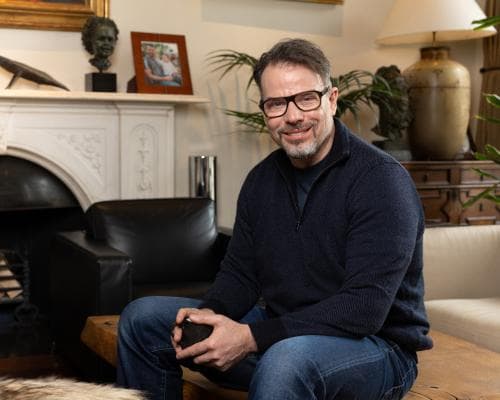
Dr Reese Richardson’s phone buzzes at all hours. Not with memes or news alerts, but with something far more sinister: a relentless stream of advertisements offering to sell him authorship on scientific papers. For a fee, these shadowy operations—known as “paper mills”—will list a buyer as a co-author on research they never touched, often fabricating data and bypassing peer review entirely. Richardson, a scientific research integrity specialist, has spent years infiltrating these networks, joining dozens of Telegram, WhatsApp, and Facebook groups where fraudulent scholarship is peddled like discount sneakers. “I can just look through my notifications and I can see that I’ve gotten, like, 20 WhatsApp messages from paper mills in the last 24 hours,” he says, with the weary calm of someone who has seen too much.
Richardson is not a billionaire philanthropist in the traditional sense. He’s a researcher—formerly at Northwestern University—who has turned his expertise into a form of public-service detective work. His mission: to expose the underground economy that threatens the very foundation of scientific credibility. Along with colleagues Anna Abalkina and Spencer Hong, Richardson has conducted one of the most comprehensive analyses of paper mills to date, cataloguing more than 18,000 advertisements from seven such operations across seven countries, spanning 2020 to 2026. The findings, currently awaiting peer review, paint a stark picture of a global industry thriving on academic desperation.
The mechanics are deceptively simple. Scientists, particularly in countries where publication count is the currency of career advancement, face immense pressure to churn out papers. Grants, promotions, and prestige all hinge on a robust CV. But rigorous research takes years, so some take a shortcut. Paper mills offer a fraudulent fast track: for a median price of around US$800 (A$1,150), they will add your name to a paper—often with fabricated data—and even provide supporting documentation like fake peer-review reports. Richardson’s team found that these mills operate with alarming efficiency, using encrypted messaging apps to reach hundreds of potential buyers daily. They’re not just selling authorship on papers; they’re also hawking IP registrations and other scholarly outputs, creating a one-stop shop for academic fraud.
The scale of the problem is staggering, but Richardson’s work is not just about counting ads. He’s digging into the networks themselves, identifying the players, the pricing structures, and the countries where these mills are most active. His analysis reveals a sophisticated industry with clear business models, customer service, and even discounts for bulk orders. This isn’t a few rogue operators; it’s a systemic threat to the integrity of scientific literature. When fraudulent papers slip through, they can influence clinical practice, policy decisions, and public trust in science. The consequences are real, from flawed medical treatments to misguided climate policies.
What makes Richardson’s work philanthropic is its selfless intent. He’s not profiting from this exposure; he’s giving his time and expertise to protect a global public good—the integrity of knowledge. His findings are a call to action for publishers, universities, and funding bodies to tighten their oversight and for scientists to resist the temptation of the easy path. He’s also a resource for journalists and policymakers, translating a complex issue into actionable insights. In a world where misinformation is rampant, Richardson’s undercover work is a quiet but powerful form of advocacy, reminding us that the fight for truth often happens in the shadows.
For the culture of giving, Richardson’s story is a reminder that philanthropy isn’t only about writing cheques. It’s about using one’s skills to serve a cause larger than oneself. He’s a modern-day guardian of scientific integrity, and his work is an investment in the future of evidence-based decision-making. As paper mills continue to evolve, Richardson’s vigilance offers a beacon of hope—proof that there are still those willing to fight for the credibility of the written word, even when it means wading through a swamp of fraudulent offers on a buzzing phone.