The Last Sanctuary of a Visionary: Saving William Blake’s Cottage Before It Vanishes
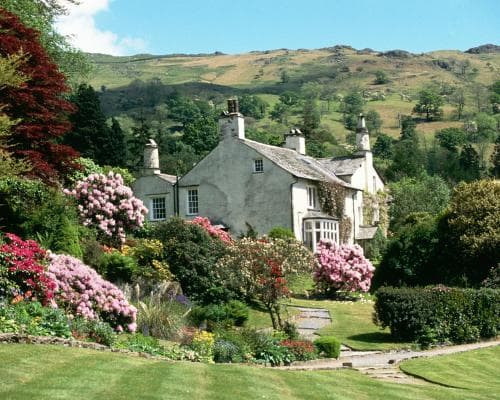
Imagine owning a home where the walls hum with creative energy—where every corner holds the ghost of a masterpiece. For the ultra-wealthy, such properties are the ultimate trophy: a Monet’s garden, a Hemingway’s Key West retreat. But there is one address that has eluded even the most determined collectors: the cottage where William Blake, poet, painter, and printmaker, experienced his most explosive burst of genius. And now, it’s on the verge of being lost forever.
Blake is the rare figure who transcends art forms—he wrote the words to ‘Jerusalem,’ painted angels, and hand-printed illuminated books that defy categorization. Yet of his nine London homes, only two survive, and his beloved Felpham cottage in West Sussex—the only one that could ever open to the public—is crumbling. The roof nearly collapsed in 2024, landing it on Historic England’s at-risk register. The Blake Cottage Trust, a band of devoted stewards, has spent two years and a small fortune to stabilize it. They’ve rebuilt the roof, stripped away a Victorian extension, and revealed the humble structure where Blake and his wife, Catherine, lived from 1800 to 1803. But the work is far from over. The fabric of the building still needs full conservation, and the funding gap is vast—a gap that private philanthropy must fill.
This is where the story gets interesting for those who understand the value of rarity. The cottage is not just a house; it’s a relic of pure, unfiltered creativity. It’s where Blake, surrounded by the Sussex countryside, wrote ‘Milton: A Poem’ and saw visions that would fuel his greatest works. Catherine, who learned to read under his guidance, helped hand-print and color the plates of his illuminated books—a partnership that makes this site a testament to both artistic and marital devotion. The Trust’s vision goes beyond preservation: they plan to open an arts and education center nearby, a living space for creativity that honors Blake’s legacy and ensures the cottage isn’t a dusty museum but a vibrant hub. This is not about roping off a relic; it’s about creating a sanctuary where the next generation of visionaries can be inspired.
For the luxury market, this is a signal. The wealthy have long collected art, but the new frontier is collecting spaces—homes, studios, and retreats that shaped culture. Think of the frenzy over Frank Lloyd Wright’s homes or the premium placed on properties with literary provenance. The Blake Cottage offers something even rarer: a chance to be part of a legacy that will be celebrated for centuries. As the 2027 bicentenary of Blake’s death approaches, the spotlight will be on this tiny cottage. The question is whether it will be a restored jewel or a cautionary tale of neglect.
This is not a passive investment. It’s an act of patronage, a way to etch your name into the annals of cultural preservation. The Trust needs private donors to bridge the gap—not just for bricks and thatch, but for the soul of the project. Those who step forward will join a select circle that includes The National Lottery Heritage Fund and other foundations, but the final push will come from individuals who understand that some things are beyond price. In a world of mass-produced luxury, authenticity is the ultimate currency. And there is nothing more authentic than the cottage where a man saw angels in a tree and wrote poetry that would become a national hymn.
The clock is ticking. The roof is fixed, but the walls still need love. The cottage is a phoenix waiting to rise, but it needs a patron. For those who have everything, this is an opportunity to own a piece of immortality—not as a possession, but as a gift to the world. The Blake Cottage is not just a home; it’s a testament to the power of imagination. And with the right backing, it will stand for another two centuries, inspiring all who cross its threshold. The question is: will you be part of that story?
The Experience
To become a patron of this historic preservation effort, visit blakecottage.org to explore exclusive donation tiers, including private previews of the restored cottage and a chance to attend the 2027 bicentenary celebrations.