The Hidden Tuition of Upbringing: Why Elite Parents Are Rethinking the School Run
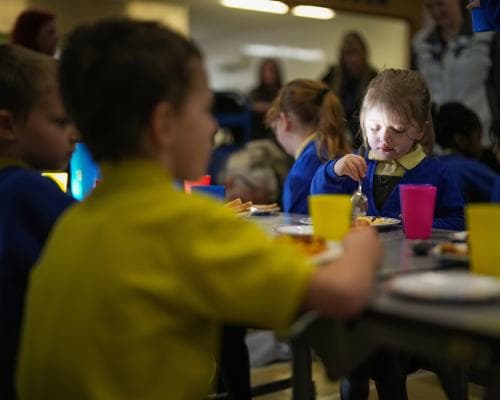
In the gilded corridors of family finance, there is a line item that rarely makes the annual report: the cost of the hours between the final bell and the evening ritual. For the modern parent, this is not a trifle. It is a quiet, compounding levy on ambition. New analysis from the children’s charity Coram reveals that after-school care for primary school children in England now commands an average of £2,636 a year—a 42% jump over the past decade. In parts of Scotland, that figure climbs to £2,701, and in Wales, it has surged 64% in ten years, landing at £2,824 per child. Add holiday clubs—which run to £191 per child per week—and the annual bill for simply keeping a child supervised while you work easily exceeds £4,500. That is not a cost. That is a second school fee, paid in invisible installments.
For the ultra-wealthy, this number may seem like small change. But the real currency here is not pounds—it is time, flexibility, and the freedom to scale a career without the friction of a 3:30 p.m. pickup. The data, drawn from Coram and Nationwide, paints a picture of a system where the middle class is being squeezed into a corner, while those with means are quietly rewriting the rules. Nationwide’s survey of 2,002 parents found that nearly half are stressed about the cost of the new school year, and one in four are delaying non-essential purchases. But for the top 1%, the stress is less about cash flow and more about the opportunity cost of a working day fractured by school runs and half-term logistics. The true luxury, it seems, is the ability to outsource the clock.
What does this mean for the craftsmanship of family life? Consider the ancillary expenses that accompany the school year: £700 a year on extracurriculars like swimming, music, and dance; £381 on uniforms and sports kit—£43 for shoes, £37 for a blazer, £29 for a tracksuit; and £116 on school trips. That is over £1,200 in incidental outlays, before you factor in the £9,100 that Nationwide estimates a child’s activities will cost over their entire primary school career. For the discerning parent, these are not mere purchases—they are investments in cultural capital. But they also signal a shift in how we value childhood itself. The bespoke, one-on-one attention of a private tutor or a personal tennis coach is no longer a luxury; it is a necessity for those who can afford it. The rest are left to navigate a patchwork of state provision that has become both more expensive and less reliable.
This is the new frontier of wealth: not what you buy, but what you buy back. For the ultra-wealthy, the answer is not to haggle over the price of an after-school club—it is to hire a full-time household manager, or a dedicated nanny who handles the school run, the holiday schedule, and the extracurricular calendar with the precision of a Swiss watchmaker. The cost of that, of course, is far higher than £2,800 a year. But it buys something that no spreadsheet can quantify: the ability to attend a board meeting in Singapore without a pang of guilt, or to take a spontaneous long weekend in the Alps without coordinating with three different childminders. The data from the Resolution Foundation shows that average wages have only grown 7.5% in real terms since 2016—a stark reminder that for most, the math of work versus childcare is becoming brutally tight. For the wealthy, the math is different: they are not choosing between work and children; they are choosing how to orchestrate both with maximum elegance.
Looking ahead, the market will respond. We are already seeing a rise in premium childcare services—from after-school clubs held in five-star hotel suites to holiday camps that offer sailing, coding, and Mandarin. The future is not about cheaper care; it is about better care, delivered with the same white-glove attention that one might expect from a private concierge. The parents who understand this are not just managing a cost—they are curating an environment. They are the ones who will read this article and nod, not because they are worried about the £2,800, but because they recognize that the real price of parenthood is the opportunity cost of a distracted mind. And for them, the solution is not a spreadsheet—it is a strategy.
The Experience
For a seamless school year, consider engaging a private family office or a high-end childcare concierge service that can coordinate after-school care, holiday programs, and academic enrichment with the discretion you expect.