The Heat Is a Wealth Event: Europe's Climate Risk Is Rewriting the Insurance Ledger
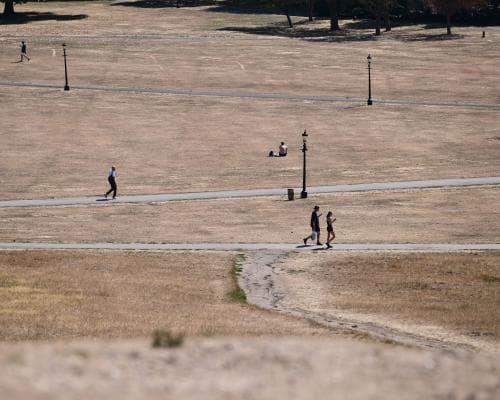
A temperature reading of 38.1°C at Kew Gardens is not just a weather record — it's a financial signal. For the wealth desk, this is the moment when climate risk stops being a slide in a sustainability deck and starts being a line item on a P&L. The UK's fifth-hottest day on record, with 40 locations across central and southern England hitting 36°C or higher, is the kind of event that makes actuaries reach for a second espresso. And when homes catch fire in Stourbridge and tourists are evacuated by dinghy in Greece, the market takes notice — not with panic, but with a quiet, ruthless recalibration of what things are worth.
The scale of the event is the story. This is not a freak afternoon. The Met Office's chief forecaster, Neil Armstrong, called it "the latest in a remarkable summer." London is set for a tropical night — temperatures staying above 20°C — and the weekend will still see highs in the 30s. That's a sustained heat event, not a spike. For wealth managers, that's the difference between a one-off weather headline and a structural risk. The fires in the West Midlands, with 60 firefighters on the scene and a rest centre set up at Stourbridge town hall, are the visceral proof that heat is no longer just a comfort issue. It's a property issue, a liability issue, and an insurance issue.
The mechanics here are brutally simple. When homes burn, insurers pay. When insurers pay repeatedly, premiums rise. When premiums rise, property values fall — especially for assets in high-risk zones. The Chalkidiki peninsula in Greece, famous for pine forests and turquoise water, is now a case study in how quickly a tourist hotspot can become a liability hotspot. Videos of people boarding fire brigade boats in Siviri are not just human drama; they're a preview of how coastal real estate gets repriced. The wealthy who own second homes in such areas — or who hold shares in hospitality and leisure companies exposed to them — are watching their risk-adjusted returns change in real time.
What makes this a money story is the data point that matters most: the UK's provisional 38.1°C reading, which would rank as the fifth-hottest day on record. For context, the UK's all-time high is 40.3°C from 2022. We are not in uncharted territory, but we are knocking on the door. Every degree of warming adds a measurable layer of risk to infrastructure, agriculture, and energy demand. For investors, that means higher costs for cooling, higher volatility in energy prices, and higher scrutiny on companies with physical assets in heat-exposed regions. The market is not waiting for the next IPCC report; it's repricing now, quarter by quarter, heatwave by heatwave.
The rarity angle is fading. What was once a once-in-a-century event is now a recurring theme. That changes the calculus for wealth preservation. The ultra-wealthy are not just buying property; they're buying insurance against climate volatility. That means diversifying into assets that are less exposed — think data centers in cooler climates, or farmland in regions that benefit from longer growing seasons. It also means demanding more from their property managers: fire-resistant materials, better water management, and evacuation plans that don't rely on a single road out of a peninsula. The days of buying a coastal villa and assuming it will be there in 50 years are over. The smart capital is already pricing in the cost of adaptation.
For markets, the signal is clear: climate risk is now a liquidity event. When a heatwave forces evacuations and destroys property, it triggers insurance claims, municipal spending, and corporate contingency plans. That flows into bond yields, stock valuations, and commodity prices. The wealthy who understand this are not selling in a panic; they're repositioning. They're looking at reinsurance stocks, which tend to harden pricing after catastrophe events. They're looking at utilities that can handle peak demand without blackouts. They're looking at construction firms that specialize in fire-resistant housing. The heat is a catalyst, not a conclusion.
The forward-looking close is this: the summer of 2026 will be remembered for the mercury, but the financial legacy will be in how capital moved. As temperatures cool next week, the market's attention will shift to the earnings calls where CEOs mention "weather-related headwinds" and to the insurance renewals that come with fatter premiums. For the wealth desk, the lesson is simple: climate is not a moral issue; it's a pricing issue. And the price is going up. The smartest capital is already hedged — not against heat, but against the illusion that this is temporary. It's not. And the portfolios that reflect that reality will be the ones that survive the next record-breaking day.