The Energy Crunch Is Back: How Britain's Inflation Spike Is Reshaping the Investment Landscape
Soaring UK energy bills are set to push inflation to 2.9%, reigniting a cost-of-living crisis that complicates Bank of England policy. But the real story is how this energy shock is accelerating the shift toward efficiency technology, from smart grids to next-gen semiconductors.
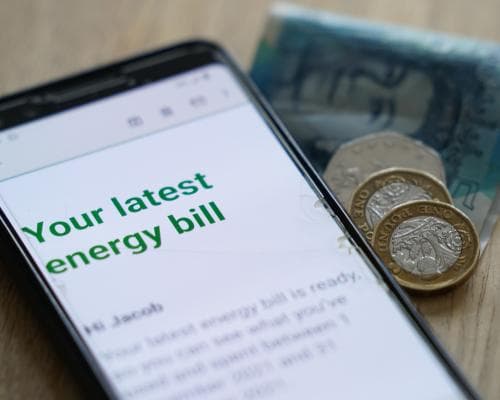
The numbers are grim, but the story beneath them is electric. This week, the Office for National Statistics is expected to confirm what every British household already knows: energy bills are spiking again, pushing inflation to 2.9% in July. That's a jump from 2.6% in June, and it's not a blip. It's a structural shift in how the world prices power. The Ofgem cap rose 13% in July, and the Iran war is keeping oil markets on a knife's edge. But here's the thing we should be watching: every energy shock like this doesn't just hurt budgets. It rewires the economy. It forces innovation. It makes efficiency a survival strategy, not a nice-to-have.
Take the Bank of England, now eyeing an interest rate hike as early as September. The logic is simple: inflation at 2.9% is too hot, and the BoE wants to cool it before it becomes entrenched. But here's the paradox. Raising rates to fight energy-driven inflation is like trying to put out a fire with a flamethrower. It doesn't fix the supply problem. It just makes borrowing costlier, which hits the same households already squeezed by their gas bills. The real fix isn't monetary policy. It's technology. It's making every watt of energy go further, and that's where the smart money is moving.
Consider the semiconductor angle. The energy crisis is a massive tailwind for power-efficient chips, the ones that run data centers, electric vehicles, and smart grids. These chips are the unsung heroes of the energy transition. When energy prices soar, the cost of running a data center becomes a board-level issue. Suddenly, a chip that uses 20% less power isn't just an engineering win. It's a financial imperative. Companies like Arm, NVIDIA, and a host of startups are racing to design chips that do more with less. The UK, with its strong semiconductor design heritage, is positioned to lead this charge — if it plays its cards right.
But let's zoom out. This isn't just about chips. It's about capital flows. When inflation rises, investors flee to assets that can pass on costs. That's why energy infrastructure, efficiency software, and grid modernization are becoming the new darlings of the venture capital world. In the last year, we've seen billions pour into battery storage, smart metering, and AI-driven energy management. The UK government, under Andy Burnham, is facing a tough autumn budget, but it also has a golden opportunity to channel this crisis into a long-term industrial strategy. Subsidize efficiency, not just supply. That's the message economists are whispering, and it's the one that will shape the next decade.
The competitive landscape is shifting too. The US passed the Inflation Reduction Act, which pumped hundreds of billions into clean tech. The EU is fighting back with its own green deal. The UK, meanwhile, is still figuring out its post-Brexit role. But here's the twist: energy shocks are great equalizers. They don't care about geopolitics. They hit everyone. That means the country that innovates fastest — in energy storage, in efficient chips, in smart grids — wins the next economic cycle. Britain has the talent, the research base, and the financial muscle. What it lacks is urgency.
So what should we expect? Look for a wave of investment in 'energy intelligence' — software that optimizes energy use in real time, hardware that cuts waste, and business models that reward conservation. We'll also see a push for modular nuclear reactors and next-gen geothermal, but those take years. The immediate wins are in efficiency. For every 1% reduction in energy demand, the UK saves billions in imports and cuts its inflation exposure. That's the silent revolution that's about to unfold.
And here's the forward-looking kicker: this crisis is a preview. The Iran war will end, but the volatility won't. Climate change is making weather patterns more extreme, which means energy supply will stay erratic. The countries that build resilient, efficient, and intelligent energy systems now will be the ones that thrive in the 2030s. So watch the numbers this week, but don't just see the pain. See the opportunity. The cost of living crisis is real, but so is the innovation it will unleash. The question is whether Britain will lead that charge or watch from the sidelines.