The Elevator Stops: What John Lewis’s Shocking Exit Signals for the Future of Luxury Retail
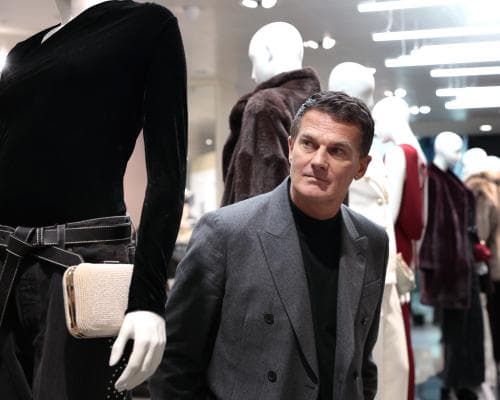
The elevator doors slide shut with a soft, final hiss. For decades, that ascent—past hand-stitched suiting, cashmere throws, and the quiet hum of curated desire—was the very definition of British retail aspiration. But this week, the elevator stopped, and the man at the controls stepped out. Peter Ruis, the fashion veteran who had been handed the keys to John Lewis, the UK’s most storied department store, walked away in a surprise exit that has sent tremors through the corridors of high-end commerce. It’s not just a personnel change. It’s a signal—a flashing red light on the dashboard of luxury retail, and a reminder that even the most elegant elevators can get stuck between floors.
The timing is brutal. Days before Ruis’s announcement, Harvey Nichols—the Knightsbridge temple of 1990s chic—was rescued from administration by Mike Ashley’s Frasers Group for a knockdown price. The contrast is stark: one icon falls, another’s leader flees. Ruis, who returned to John Lewis in 2024 after a decade away running Jigsaw and Anthropologie, was supposed to be the savior. He had revived the brand’s century-old “never knowingly undersold” promise, injected a burst of investment, and talked of expansion. Yet just nine months later, he’s gone. Insiders whisper he’d been discussing his exit for months. The official line? He’s leaving to “pursue new projects.” The subtext? A clash of cultures, a divergence of styles, and a boardroom that never quite clicked.
The numbers tell a story of their own. John Lewis, the employee-owned behemoth that also runs Waitrose, has been battered by a perfect storm: blistering summer weather that kept shoppers off the high street, a cost-of-living crisis that froze spending on sofas and beds, and the relentless march of online specialists. Ruis’s successor, Will Kernan, a non-executive director with a background in the partnership’s inner sanctum, inherits a business that’s “on a stronger footing,” according to Ruis—but also one where the footing feels like sand. The question isn’t just who’s at the helm. It’s whether the department store model itself—with its cavernous floors, its perfume counters, its promise of a personal shopper—can survive in an era where the ultra-wealthy expect their luxury to come to them, not the other way around.
For those who understand the mechanics of high-end retail, Ruis’s exit is less a surprise than a inevitability. He’s a fashion man—a curator, a tastemaker, someone who believes in the magic of a beautifully merchandised rail. Jason Tarry, the Tesco veteran who chairs the parent group, is a logistics man—a master of supply chains and margins. They were never going to gel. One source put it bluntly: “I am surprised Peter has lasted as long as he has.” Yet Tarry praised Ruis’s “fantastic job,” and analyst Nick Bubb noted that Ruis was “appearing to do a good job in difficult circumstances.” The polite fiction of “orderly succession” masks a deeper truth: luxury retail is no longer about the art of the sale. It’s about the science of survival.
What does this mean for the discerning shopper—the one who still wants to touch the cashmere, smell the leather, and feel the weight of a well-made object? It means the landscape is shifting beneath their feet. The rise of Frasers Group, with its aggressive acquisition of Harvey Nichols, signals a consolidation of power in the hands of a few players who understand that luxury is no longer about exclusivity alone. It’s about experience, convenience, and the seamless integration of digital and physical. Ruis’s departure, and the subsequent media briefing he’s still slated to lead just days before the half-year results, suggests a house in flux. But flux can be opportunity. For the ultra-wealthy, the next chapter of luxury retail will be defined not by the grand emporium, but by the curated, the bespoke, and the personal.
As the elevator doors open on a new era, the question is who will step in. Will Kernan, with his insider’s knowledge of the partnership, might steady the ship. But the real test lies in whether John Lewis can pivot from a destination for middle-class aspiration to a haven for those who want more than a product—they want a story, a legacy, a piece of something rare. The department store is not dead. It’s evolving. And for those with the means to watch closely, the next move is the one that matters. The elevator is going up—but only for those who know which floor to press.
The Experience
For a private consultation on the future of luxury retail and how to secure your own piece of heritage, contact our concierge desk for an invitation to our exclusive investor roundtable in Mayfair.
Explore