The Electric Throne Shifts: Why the World's Most Coveted Car Brand Just Walked Away from Britain's Battery Crown
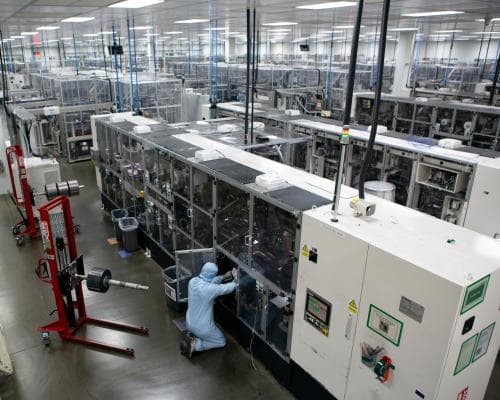
In the rarefied world of eight-figure car collections, the quietest decisions echo the loudest. This week, the silence from Sunderland was deafening. The UK's largest battery gigafactory, the Chinese-owned AESC, has quietly shelved its grand expansion plans. The reason? Talks with Jaguar Land Rover, the crown jewel of British automotive luxury, have stalled. For those who track the subtle currents of wealth and industry, this is not a footnote. It is a seismic shift in the tectonic plates of electric luxury.
Let's paint the picture. AESC, the powerhouse that feeds Nissan's electric Leaf and Ariya, sits adjacent to the Japanese giant's Sunderland plant. Two production lines hum along, powering mainstream EVs. But the third line, the one destined to supply the silken, leather-clad electric Range Rovers and future electric Jaguars, remains unbuilt. The deal, once so close, has evaporated. JLR, Britain's largest automotive employer, has simply walked away. Sources whisper that the carmaker balked at formal financial commitments, while others murmur about disputes over cost and timing. The result? A multibillion-pound expansion paused, a workforce in limbo, and a very clear message sent across the Atlantic and Pacific.
This is not a story about batteries. It's a story about leverage. For decades, the ultra-wealthy have understood that true control lies not in the final product, but in the supply chain that creates it. JLR, with its deep pockets and global cachet, has decided it will not be beholden to a supplier's timetable. Instead, it is pouring billions into its own gigafactory in Somerset, a project so complex and ambitious that it has already faced construction delays. The message is unmistakable: when you are building a £200,000 electric motorcar, you do not outsource the heart of the beast to a competitor's sister company. You build it yourself, or you find a partner who bends to your will.
For the collector, the connoisseur, the person who views their garage as a private museum, this shift has profound implications. The electric luxury vehicle is no longer just a silent, torque-laden statement of environmental conscience. It is a geopolitical artifact. The batteries inside these machines are not mere components; they are the new engines of power. And the players are no longer just Detroit or Stuttgart. They are Chinese giants like CATL and BYD, who dominate the global battery market with a ferocity that makes the old oil barons look like amateurs. The European battery projects that have gone bankrupt are a stark reminder: this is a winner-take-all game, and the stakes are the very definition of modern mobility.
What does this mean for the discerning buyer? It means that the next generation of luxury EVs will be rarer, more exclusive, and potentially more volatile in availability. If JLR secures its own supply, it can control the narrative, the quality, and the scarcity. If it falters, the waitlists for a bespoke electric Range Rover could stretch into years. The current slowdown in EV sales, the government's wavering on targets, and Nissan's own painful restructuring all point to a market that is maturing, but not in the way the optimists predicted. The transition is not a straight line; it is a series of strategic retreats and bold gambits.
Looking ahead, the next five years will separate the automotive houses from the also-rans. The brand that controls its battery destiny will control the future of luxury. JLR's decision to walk away from AESC is a bet on itself, a wager that its own gigafactory will rise from the Somerset mud and deliver the holy grail: a truly bespoke, fully integrated electric powertrain. For the rest of us, it's a spectator sport. But for those lucky enough to be on the list for a future electric Jaguar, it's a reminder that the most exclusive objects are not just built—they are fought over, negotiated, and ultimately, earned.
The Experience
To secure your place in the electric future, consider a private consultation with JLR's bespoke division, or explore a membership at a high-end automotive club that offers first access to limited-edition EV launches.