The Billionaire Whispering in the President's Ear on AI
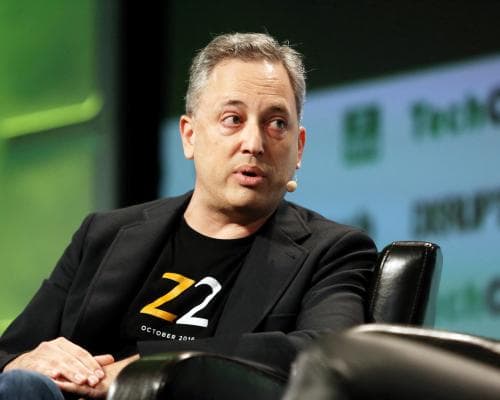
Imagine having the ear of the most powerful person on Earth on the one technology that will reshape every industry, every fortune, and every geopolitical rivalry for the next century. That's the position David Sacks occupies. The billionaire venture capitalist isn't just another Silicon Valley voice. He's the man President Trump listens to on artificial intelligence, and his message is simple: keep the regulators away.
While lawmakers from both parties demand guardrails on powerful AI models, Trump has called the dangers a "hoax" and a "scam." He argues the government already wields tremendous criminal and regulatory power over these companies. That stance puts him at odds with his former adviser Steve Bannon, Republican Senator Ted Cruz, and even the heads of the world's leading AI firms. But it aligns perfectly with Sacks, Trump's onetime AI and crypto czar. Sacks believes regulation will erase America's lead in the global AI race. He's not just talking. He's helped push executive orders and other measures aimed at loosening restrictions. And he maintains direct financial stakes in multiple AI companies. That's not a conflict of interest in his world. It's a thesis.
On Friday, more than 100 AI researchers, professors, and technologists signed a public letter urging third-party evaluations of AI models. The signatories included Geoffrey Hinton, the so-called godfather of AI, and Stuart Russell, a renowned computer scientist. Sacks dismissed the letter on social media as "pseudoscience" and "censorship and control." He compared it to past media panics, claiming social media companies created trust and safety teams to censor conservative voices. "These groups haven't earned our trust," he wrote, "and their agenda is not our safety." The next day, Trump proclaimed he would soon create an "AI Force" headed by an AI czar, Sacks' previous title. It's unclear if Sacks will assume the mantle again, but he was quick to praise Trump's efforts and deride any pause on AI.
This isn't just policy. It's a signal about how the ultra-wealthy view the future. For the billionaire class, AI isn't a threat to be managed. It's the ultimate lever. The ability to shape the rules, or prevent them, is worth more than any single investment. Sacks embodies a new kind of power player: the investor-adviser who moves seamlessly between boardrooms and the White House, between personal stakes and public policy. In December, Trump signed an executive order to halt state laws limiting AI, assigning a federal taskforce to challenge states that try to restrict the technology. The order spelled out an influential role for Sacks to direct litigation against those states. Four months later, the White House unveiled an AI policy for Congress that encouraged lawmakers to pre-empt state rules. Again, Sacks was seen working behind the scenes. This pattern isn't accidental. It's a blueprint for deregulation that favors those already at the table.
For collectors of influence, this is the new currency. Not art, not watches, not even real estate. Access to the levers of technological governance is the ultimate status symbol. The people who understand this are quietly positioning themselves. They're not just buying AI stocks. They're buying proximity. They're funding think tanks, cultivating relationships, and placing allies in key roles. Sacks has mastered this game. He's not just a venture capitalist. He's a kingmaker in the most consequential technology race in history. And his willingness to dismiss safety concerns as pseudoscience tells you everything about where the smart money is placing its bets. It's not on caution. It's on speed.
So what does this mean for the next decade? It means the AI landscape will be shaped by a handful of billionaires who believe regulation is a rival's weapon. It means the gap between those who control AI and those who don't will widen into a chasm. And it means the luxury of influence, the ability to bend policy to your portfolio, will become the most coveted asset of all. For the ultra-wealthy, the question isn't whether AI will change everything. It's who gets to write the rules. Right now, the answer looks a lot like David Sacks. And that's a story worth watching, because the fortunes of tomorrow are being built in the quiet conversations of today.
The Experience
To access this level of influence, consider joining exclusive policy summits and private technology councils where the future of AI is debated behind closed doors.