The Billionaire's Bolthole: Inside Peter Thiel's Argentine Power Play
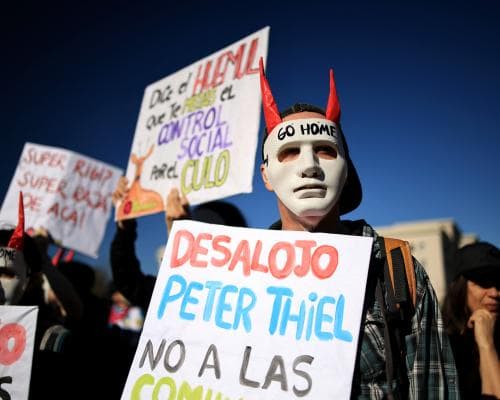
The wrought-iron gates of a $12 million mansion in Buenos Aires’ most exclusive neighborhood are not usually the backdrop for political theater. But last week, a crowd in white masks gathered outside Peter Thiel’s new Argentine residence, their signs reading “Peter Thief” and “No to the Peter Thiel law.” The protesters were responding to something more intriguing than a billionaire’s real estate purchase. They were responding to a six-hour congressional session that raised a question the global elite rarely hears: What exactly is a tech titan doing here, and what does he want?
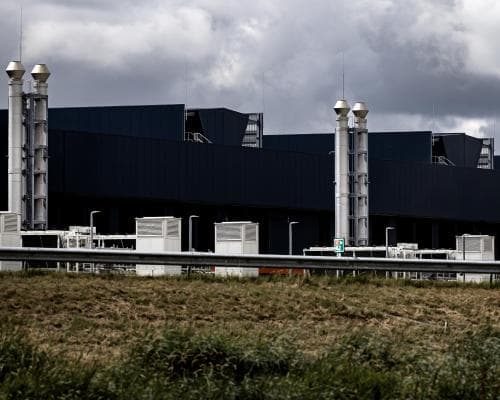
For the ultra-wealthy, Thiel’s move to Argentina has been framed as the ultimate hedge—a southern hemisphere redoubt against the chaos of a world sliding toward conflict. Argentina, with its vast agricultural wealth and deep geography, seems like the perfect place to ride out a third world war. But the protests and the congressional debate suggest a more pragmatic play. Weeks after Thiel relocated his family, President Javier Milei’s government introduced a sweeping set of regulatory changes. Among them: a “super RIGI” investment regime offering foreign companies a minimal tax rate and a 30-year guarantee against regulatory change, specifically courting AI datacentres. Another law, which failed, would have relaxed restrictions on foreigners buying land. A third decree would force civilian government departments to share personal data on millions of Argentinians with state intelligence. When lawmakers invited Thiel, Milei, and an intelligence-linked official to answer questions, none showed up. Deputy Juan Marino called it a “technofascist legislative package” aimed at entrenching US tech billionaires’ power. Thiel has not publicly advocated for these laws, but the timing is hard to ignore.
This is not about paranoia. It’s about access. In the months after his arrival, Thiel held closed-door meetings with Milei and key presidential advisers—a level of intimacy that is rare for any foreign investor, let alone one who has not publicly lobbied for policy. The data-sharing decree is particularly telling, given Thiel co-founded Palantir, a company built on data analytics and surveillance. Argentine deputies have repeatedly asked whether Palantir has undisclosed contracts with the state. No answers have been given. The land law, had it passed, could have paved the way for semi-autonomous “startup cities”—a pet concept among techno-libertarians who dream of governance by corporate charter. Thiel’s footprint is all over this, even if his fingerprints are invisible.
For those who collect billionaires’ strategies like rare art, Thiel’s Argentine gambit is a masterclass in positioning. It is not just about buying a mansion. It is about buying optionality. Argentina offers a unique cocktail: a friendly, right-wing government, a desperate need for foreign capital, and a population that is still waking up to what data sovereignty really means. The regulatory package is designed to make the country a laboratory for the future—one where AI companies pay pennies in tax, where land can be bought without limits, and where citizen data flows into intelligence agencies. Whether Thiel asked for these laws or simply recognized an opportunity, the result is the same: he is now a central node in a new power structure. The protesters understand this. They see a foreign billionaire shaping their country’s legal code to suit his interests, and they are terrified.
But let’s be clear: this kind of access is not available to everyone. For the typical billionaire, buying a $12 million mansion in Buenos Aires is a lifestyle choice. For Thiel, it is a strategic deployment. He has positioned himself at the intersection of Milei’s libertarian revolution and the global AI boom, with a front-row seat to the data economy’s next frontier. The question is not whether Thiel is an apocalypse prepper—he likely is, in his own way. The question is whether he is also a builder of the post-apocalypse, where private companies hold more sway than governments. The failed land law and the data decree suggest a blueprint for a new kind of sovereign wealth, one built on information and territory rather than oil or gold.
What does this mean for the rest of the ultra-wealthy? It signals that the smartest money is no longer just diversifying portfolios. It is diversifying jurisdiction. Thiel is not fleeing the world; he is buying a piece of it—a piece with favorable tax codes, weak regulatory oversight, and a leader who shares his ideology. As Argentina’s congress debates these laws, the world’s billionaires are watching. If Thiel succeeds, Argentina could become a template for how the ultra-rich can shape policy in emerging markets. If he fails, it will be a cautionary tale about the limits of even the most profound wealth. For now, the wrought-iron gates of his mansion stand as a symbol of a new era: the billionaire as nation-builder, one data point at a time.
The Experience
To explore Argentina's emerging investment frontier firsthand, consider a private briefing with a Buenos Aires-based political risk advisor, followed by a curated tour of the city's most exclusive real estate and legal contacts.