The Silicon Ceiling: Why Microsoft's $280 Billion AI Empire Hinges on a Chip You Could Hold in Your Palm
Imagine a chip so small it disappears in your palm, yet so powerful it can reshape the global economy. Now imagine the world's most valuable companies fighting over them like rare jewels at a Sotheby's auction. That's the quiet crisis at the heart of the AI gold rush, and Microsoft—the $3 trillion behemoth—is feeling the squeeze. A recent investigation has peeled back the curtain on a startling reality: Redmond's AI ambitions may be far grander than its actual hardware on the ground. For those of us who track wealth, this isn't just a tech story. It's a signal about where the next fortunes will be made—and where they could be lost.
The numbers are staggering, even by billionaire standards. Microsoft reportedly aimed to have 1.8 million advanced AI chips installed by the end of 2024. Nearly two years later, internal documents reveal the company has 2.2 million chips running across its global data centers. That sounds like a victory, until you hear the experts' whispers. They'd imagined double that figure. This is a shortfall of epic proportions, hidden inside a $280 billion expansion—a war chest that includes $41 billion spent in just the last quarter. The company has been on a building spree, doubling its data center footprint with a target set by CEO Satya Nadella to hit that mark by mid-2027. But here's the rub: a data center without chips is like a private jet without engines. It's a shell, impressive to look at, but useless for flight.
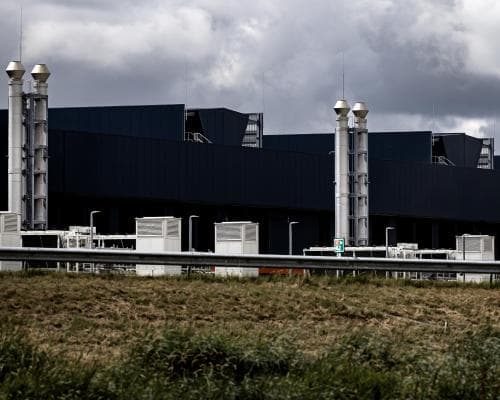
What's really going on? The bottleneck is Nvidia, the undisputed king of AI silicon. These chips, each one a marvel of engineering, are the lifeblood of artificial intelligence. Nvidia guards its supply chain like a Swiss vault, never revealing exactly how many chips it sells or to whom. Its clients, the tech titans, follow suit, keeping their inventories under lock and key. This opacity is the industry's dirty secret. Without transparent numbers, we're all flying blind, guessing whether AI is a booming revolution or a bubble waiting to pop. Microsoft's own public claims—adding 5 gigawatts of capacity over two years, enough to power four of Europe's largest data center parks—sound impressive. But the internal chip count suggests some of those new facilities might be standing empty, waiting for hardware that's stuck in a supply chain logjam.
For the ultra-wealthy, this is a masterclass in scarcity economics. The chip shortage is the new oil crisis, and Nvidia is the new OPEC. The value isn't just in the AI models themselves; it's in the physical infrastructure that makes them possible. A single advanced chip can cost tens of thousands of dollars, and a data center needs hundreds of thousands of them. This is why the world's richest are pouring billions into private equity deals for data center real estate and chip supply chains. They're not betting on the next app; they're betting on the pickaxes and shovels of the AI era. The fact that Microsoft, with its immense resources, is struggling to secure its chip supply tells you everything about the ferocity of this arms race.
What does this mean for the luxury market and high-net-worth investors? It's a reminder that true power lies in control of critical assets. While the masses chase the latest AI gadget, the cognoscenti are eyeing the companies that own the raw materials and the manufacturing muscle. The chip shortfall isn't a sign of failure; it's a sign of demand so insatiable that even the mightiest can't keep up. For those with the means, this presents an opportunity—to invest in the supply chain, to back the niche players, or simply to watch with fascination as the world's most valuable companies scramble for a piece of silicon. The next decade of wealth creation will be written in these tiny, palm-sized chips. And Microsoft's quiet struggle is the opening chapter.
The Experience
For a behind-the-scenes look at the AI infrastructure race, consider a private tour of cutting-edge data center campuses in Virginia or Singapore, arranged through elite tech-focused travel advisors.