The 800m Gold Standard: How Audrey Werro's Lion-Hearted Win Signals a New Era in Track's Wealth Machine
Audrey Werro's stunning European 800m victory over Keely Hodgkinson and Femke Broeders-Bol is more than a sporting upset—it's a marker of how track and field's new generation is reshaping endorsement value and global brand equity. For wealth builders, the race reveals where the next premium athlete-investment opportunities lie.
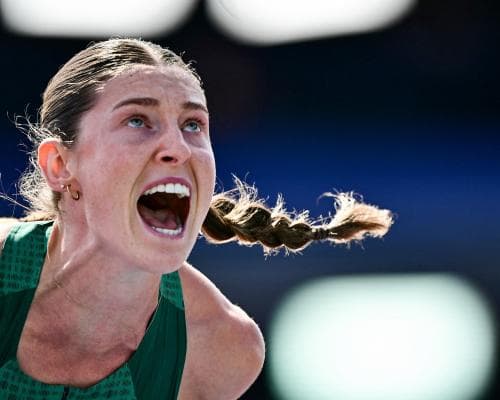
The final bend of the women's 800m at the European Athletics Championships wasn't just a race—it was a transfer of financial gravity. Audrey Werro, the 22-year-old Swiss phenom who once had to be told to 'become a lion' by her father just to overcome crippling shyness, didn't just outkick Keely Hodgkinson and Femke Broeders-Bol. She revalued an entire asset class. In the world where the smartest capital tracks human performance, Werro's win is the kind of event that quietly resets sponsorship grids, appearance fees, and the long-tail economics of a gold medal.
The deal here isn't a merger or a bond issue—it's the monetization of a single, decisive moment. Werro, who led the pack into a swirling wind and survived a spike from Broeders-Bol after 200 meters, crossed the line first in a final that will be replayed in boardrooms as much as on stadium screens. The scale: a European title, yes, but also a direct hit to the brand equity of Hodgkinson, the British star who has been the face of middle-distance running's commercial boom. For wealth builders, this is a classic disruption event—an incumbent's market share suddenly up for grabs.
Let's get to the mechanics, because the numbers matter. Werro's victory wasn't a fluke; it was a study in risk management. She took the lead early, absorbed the physical contact from Broeders-Bol, and then held off Hodgkinson's famous closing kick. The final times—though not yet official at press time—will be dissected by performance analysts and, more importantly, by Nike, Adidas, and the Swiss watch brands that love a homegrown champion. The players: Werro, now a certifiable star; Hodgkinson, whose defeat may cost her millions in bonus clauses; and Broeders-Bol, the Dutch flyer who also had to settle for bronze behind Werro and the Brit. This is a trio whose combined endorsement value is in the tens of millions, and the pecking order just shifted.
Now, the rarity and heritage angle. Werro's path is not the typical factory-line story. She was so shy as a child that her father's 'lion' advice became a psychological cornerstone. That narrative—triumph over inner demons—is gold for marketers. It's the kind of human capital that premium brands pay a premium for. And unlike a stock that can be diluted, a gold medal is a finite asset. Werro's win also carries a Swiss flag, which in the wealth world means access to private banking clients and luxury sponsors who see her as a mirror of their own precision and quiet dominance. The heritage: she's the first Swiss woman to win this title in decades, which makes her a national treasure with immediate cross-sector appeal.
What does this signal for markets and the wealthy? Simple: track and field's commercial hierarchy is no longer a monopoly. Hodgkinson's dominance was priced in—her defeat is a reminder that no athlete is a guaranteed return. For investors in sports-tech startups, performance analytics firms, or even sports marketing agencies, this is a buy signal on diversification. The wealthy who back athletes directly—through private sponsorships or equity stakes in their personal brands—should note that the next Werro is out there, waiting to be discovered. The wind, the spike, the final kick: all variables that no algorithm can fully price.
Looking forward, the smart money will watch Werro's next moves. Will she parlay this into a lucrative multi-year deal with a Swiss watchmaker or a global bank? Will Hodgkinson's camp restructure her training and her brand narrative? The European Championships are a preview of the 2028 Olympics, where the 800m will be a marquee event. For now, Werro has shown that the lion's share of value goes to those who can handle the pressure of the final bend. The lesson for wealth builders: in any market, the winner isn't always the one with the best fundamentals—it's the one who can take a spike and keep running.