Northern Star Board Rebuffs Gold Fields' $39b Approach, Calling Bid 'Highly Opportunistic'
Northern Star Resources has rejected a $39 billion takeover bid from South Africa's Gold Fields, calling the offer highly opportunistic.
Northern Star Resources has told shareholders what many in Perth's mining bars suspected the moment Gold Fields' interest surfaced: the price is wrong. The board of the ASX-listed gold miner rejected a $39 billion takeover proposal from the South African suitor, labelling the approach "highly opportunistic" — a phrase that carries real weight in a sector where asset values swing hard with the bullion price.
The bid, reported by The West Australian, would have ranked among the largest ever strikes on an Australian gold producer. Northern Star did not disclose the per-share terms in the coverage, and no revised offer has been tabled. What is clear is the scale: $39 billion is a headline number that would reshape the top tier of global gold mining if it ever proceeded. Gold Fields, for its part, is a Johannesburg- and NYSE-listed major with operations across Africa, Australia and the Americas — a competitor that knows the Kalgoorlie terrain well.
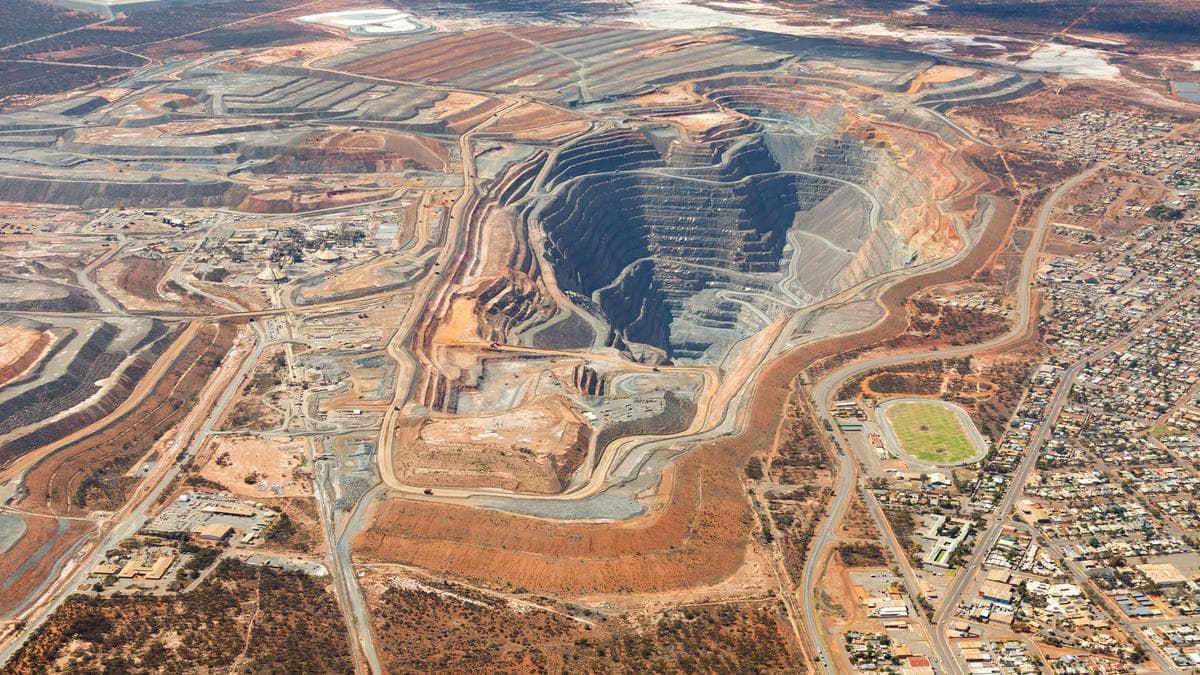
To understand why this matters, you need the local map. Northern Star is the homegrown consolidator of the Goldfields, the vast Archaean greenstone belt around Kalgoorlie that has been producing gold since the 1890s. The company grew through a series of acquisitions — most notably the 2021 merger with Saracen Mineral Holdings — to become one of Australia's largest independent gold miners, with a portfolio anchored in Western Australia and a growing presence in the Northern Territory. Its rise is a case study in how a mid-tier Perth operator can scale into a genuine takeover target for an offshore major. The board's language matters because in Australian M&A, "opportunistic" is a signal: it tells the market the directors believe the bidder is trying to capture a cyclical low in the target's valuation rather than pay for its long-term reserves.
For international readers tracking Oceania capital, the rejection fits a broader pattern. Australia's gold sector has become a hunting ground for global majors seeking safe-jurisdiction ounces, yet target boards have grown more assertive about price. The same dynamic has played out in copper and lithium, where offshore bidders have had to lift offers or walk away. Western Australia's mining industry is the backbone of the state economy — iron ore, gold, lithium and gas — and a deal of this size would have rippled through Perth's professional services, royalties and the local share register. Gold Fields already operates in Australia, so a successful tilt would have concentrated more of the country's gold output in foreign hands, a sensitive topic in a state that guards its resources sector closely.
What happens next depends on whether Gold Fields returns with a sweeter offer or walks. Northern Star's board has left the door technically ajar by rejecting rather than dismissing outright, but the burden is now on the bidder to justify a higher number in a market where the gold price remains the ultimate arbiter of value. For now, the message from Perth is simple: if you want this company, you will have to pay for it.