The $750 Pencil Topper: How a Free Toy Became the Ultimate Status Symbol
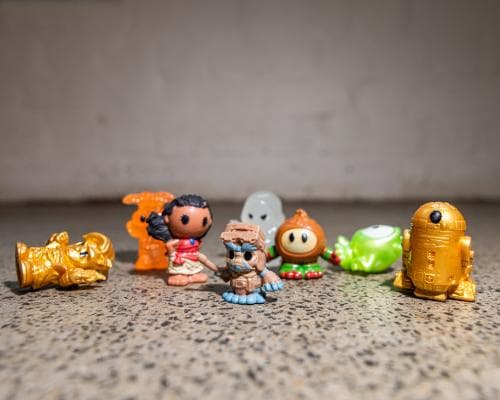
It began, as all great power plays do, with something small. A rubber figurine, barely an inch tall, designed to perch on a pencil. But when that figurine is Bullseye from Toy Story—and it’s fuzzy, and it’s “ultra rare”—it stops being a child’s plaything. It becomes a trophy. This week, one such Ooshie listed on eBay for $750. Others are asking thousands. All for a freebie you’d normally get with a $30 grocery run. And that, dear reader, is the beautiful absurdity of modern wealth: value is no longer about gold or diamonds, but scarcity, nostalgia, and the sheer thrill of the hunt.
The numbers behind this phenomenon are anything but childish. Woolworths’ latest Disney, Marvel, and Star Wars Ooshies promotion didn’t just delight Australian children—it dented a competitor’s bottom line. Coles, which had been enjoying a steady run of growth and market share gains, watched its sales slump for nearly four weeks in July. The culprit? A rival’s collectables campaign. RBC Capital Markets analyst Michael Toner noted the impact could spook investors. Coles CEO Leah Weckert called it a “temporary impact,” but the message was clear: in the battle for the family wallet, a 40-character rubber army is now a strategic weapon. The fact that these figurines come in opaque packaging—so you don’t know if you’ve scored a rare gem or a common duplicate until you tear it open—only fuels the frenzy. It’s a lottery, and everyone wants the jackpot.
But let’s talk about craftsmanship, or rather, the lack thereof. These are not hand-finished porcelain dolls. They’re mass-produced, squishy little icons. Yet their rarity tiers—from standard to ultra rare—have created a secondary market that would make a Swiss watchmaker blush. The fuzzy Bullseye, for instance, is coveted not for its engineering but for its texture. That’s it. A slightly different material. And parents are shelling out hundreds, sometimes thousands, for it. This is the democratization of luxury, where the thrill of acquisition trumps the object itself. It echoes the 2019 Ooshies craze, which saw two farmers destroy a rare lion figurine live on TV—a protest against online bullying, but also a statement: even a $5 toy can become a symbol of power, rebellion, and loss.
What does this signal about wealth and taste? That exclusivity is a state of mind, not a price point. The ultra-wealthy understand this better than anyone. You can buy a Birkin, but you can’t buy the waitlist. You can charter a yacht, but you can’t buy the captain’s stories. Similarly, you can buy every Ooshie on eBay, but you can’t buy the joy of completing the set yourself—or the social capital of trading with a 9-year-old who knows exactly what a “double” is worth. Professor Gary Mortimer of Queensland University of Technology points out that Ooshie trading teaches kids negotiation and compromise, much like marble trading a century ago. But for adults, it’s a masterclass in status signaling. The dedicated Facebook swap group has over 45,000 members, adding nearly 2,500 in a week. That’s a community built on a shared obsession, where the currency is not money, but rarity.
Yet not everyone is enamored. Bellevue Park State School in Queensland has banned Ooshies, citing “distractions, conflict, and unfair trading.” It’s a reminder that even the most innocent collectible can disrupt order. For the luxury market, this is a lesson in volatility. Trends shift, fads fade, but the desire to own what others cannot—or will not—have is eternal. As Woolworths’ promotion ends, the question is: what’s next? Will the Ooshie market crash, or will it become a lasting collector’s item, like Beanie Babies before it? For investors and tastemakers alike, the takeaway is simple: never underestimate the power of a small, colorful object to move markets, alter shopping habits, and make a grown adult pay $750 for a pencil topper. In the world of wealth, the most valuable currency is often the one you least expect.
For those who wish to experience this frenzy firsthand, the Ooshie swap meets may be over, but the secondary market is thriving. Dive into the Facebook groups, scour eBay, or simply visit a Woolworths during the next promotion—and remember, the true luxury is in the chase.
The Experience
To experience the thrill of the hunt yourself, join a dedicated Ooshie trading group on Facebook or set up an eBay alert for 'ultra rare' figurines—then prepare to negotiate like a seasoned collector.