The $120 Billion Question: Why Smart Money Isn't Worried About the AI 'Debt Bomb'
Picture this: You're at a private dinner in Manhattan, and the conversation turns to AI. Someone whispers that the whole thing is a house of cards—that Meta, Oracle, and a dozen other giants are hiding billions in debt, just like Enron did. The room goes quiet. Then a seasoned investor—the kind who made his first fortune in the 1980s—takes a sip of wine and says, 'I've seen this movie before. It ends well.' That's the story I want to tell you today, because the so-called 'debt bomb' isn't a bomb at all. It's a masterpiece of financial engineering, and it's the reason your portfolio might be safer than you think.
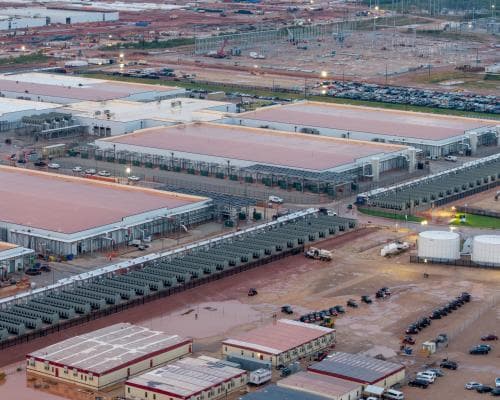
The fear is real, and it's loud. The Financial Times reported that tech companies have shifted more than $120 billion of AI datacenter spending off their balance sheets through special-purpose vehicles and similar structures. Goldman Sachs projects hyperscalers could spend $5.3 trillion on AI and datacenters through 2030, with private markets playing an increasingly starring role. Skeptics see shadows of Enron—the energy giant that collapsed in 2001, wiping out billions in shareholder value. But here's what the doom-sayers miss: Enron was fraud. This is finance. The difference is everything.
Let me explain how it actually works, because once you see it, you'll wonder why anyone is sweating. Meta wants a new datacenter for its AI ambitions. Instead of borrowing $5 billion and putting it on its own books, Meta creates a separate entity—a special-purpose vehicle, in the jargon. That entity raises money from investors, banks, and even some of Meta's own cash. It builds the datacenter. Meta signs a contract giving it exclusive, full use of the facility. The debt sits on the entity's books, not Meta's. Meta gets its datacenter, investors get a steady return, and the risk is spread across a pool of sophisticated players who know exactly what they're buying. This isn't deception; it's diversification. It's the same playbook that funded the biotech revolution in the 1980s, when companies like Centocor—my first big client—used limited partnerships to develop monoclonal-antibody drugs that eventually changed medicine. Did some drugs fail? Sure. Did it cause a market meltdown? Not even close.
The craftsmanship here is in the structure. These aren't fly-by-night shell companies. They're carefully designed vehicles with contractual guarantees, collateral, and cash flows tied to some of the most valuable companies on Earth. The investors aren't retail folks chasing hype; they're pension funds, sovereign wealth funds, and private equity titans who do their homework. They read the footnotes—all 200 pages of them—and they like what they see. The risk is real, but it's measured, allocated, and priced. That's not a bomb; that's a bond. And the fact that the public can't see it on a balance sheet doesn't mean it's hidden. It's just in a different drawer, one that's actually more transparent than the old days, when biotech partnerships operated in the dark before the internet and 24/7 media scrutiny.
What does this signal about wealth and taste in 2025? It signals that the ultra-wealthy have learned to separate the asset from the entity, the risk from the reward. The smartest money isn't betting against AI; it's betting on the infrastructure that makes AI possible, but doing so with surgical precision. This is the new luxury: not owning a datacenter, but owning the debt that builds it, with a guaranteed tenant like Meta or Oracle. It's passive income on steroids, wrapped in a legal structure that would make a Rockefeller smile. The panic you hear is from people who don't understand the mechanics. The calm you feel is from those who do.
Looking forward, the next decade will see more of this, not less. Private markets will fund the $5.3 trillion buildout, and they'll do it with structures that are increasingly sophisticated, increasingly global, and increasingly invisible to the public eye. That's not a warning—it's an invitation. For those with capital and connections, the opportunity is to get in on the ground floor of the next great wealth engine, not by buying shares of a tech giant, but by financing the very ground it stands on. The 'debt bomb' is a myth. The real story is a quiet, elegant transfer of risk from public balance sheets to private portfolios—and for those in the know, that's the best news of the year.
The Experience
To explore private credit and infrastructure investments in AI datacenters, connect with a wealth manager specializing in alternative assets—or attend a closed-door briefing at your private bank's next family office summit.