Tata's quiet succession race: Chandrasekaran exit opens a door—and a legal knot
Tata Trusts begin search for next Tata Sons chair after Chandrasekaran's exit, but a charity commissioner order stalls the panel.
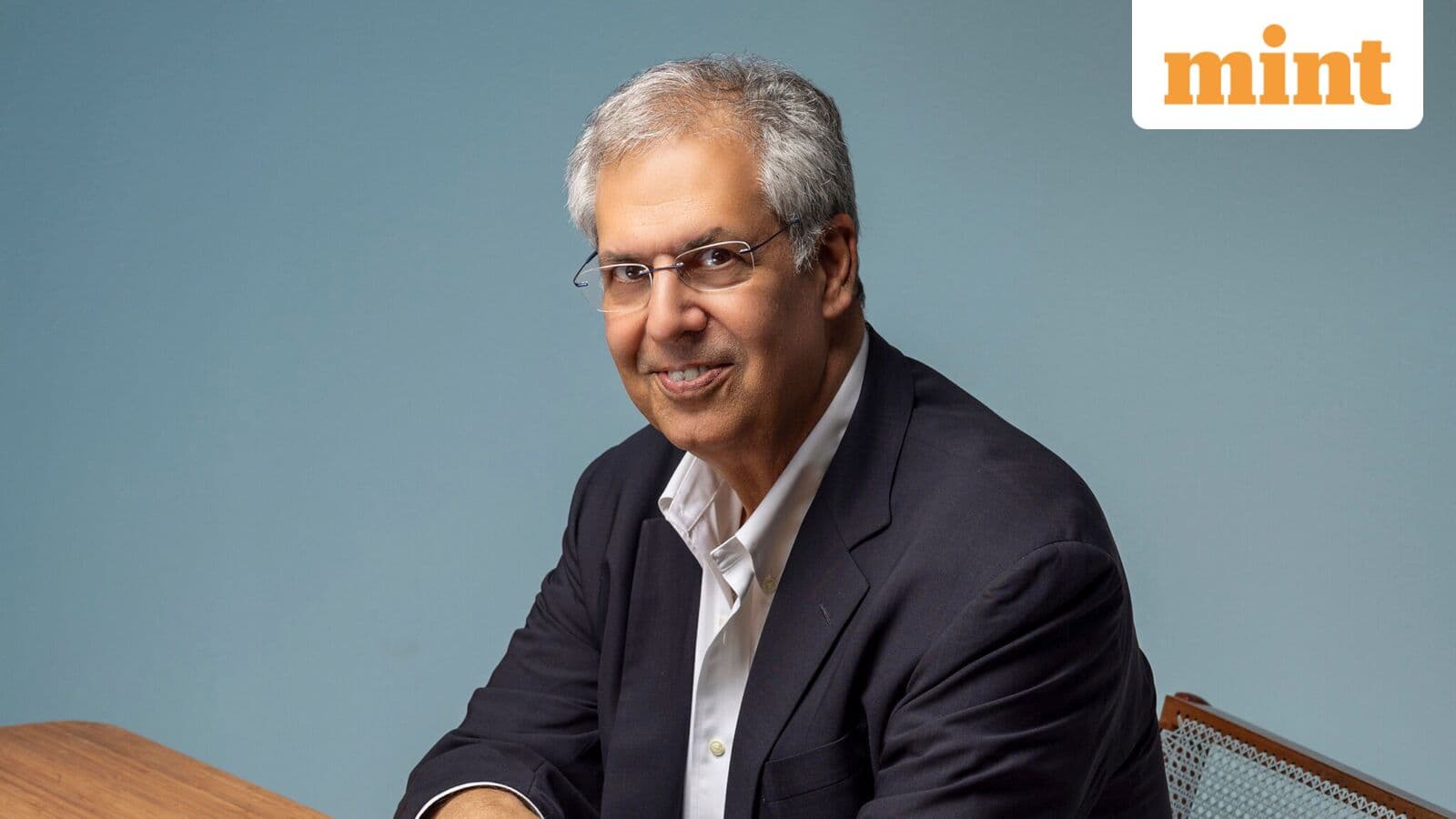
For anyone tracking the quiet mechanics of Asia's most storied conglomerate, the past 48 hours have felt less like a boardroom handover and more like a slow-motion chess game with a legal clock ticking. N. Chandrasekaran, the man who steered Tata Sons through the turbulence of the post-Cyrus Mistry era, has told the six-member board he will not seek a third term, ending his run on 20 February 2027. Within a day, the largest shareholder—Sir Dorabji Tata Trust (SDTT)—formally accepted his resignation and passed a resolution to begin building a selection committee. But here's the twist that makes this story distinctly Indian: the machinery to find his successor is itself stalled, blocked by a state regulator's order against the other major trust that co-owns the group.
The facts, as reported, are precise. SDTT, which holds 27.98% of Tata Sons, thanked Chandrasekaran and said trustees have resolved to set up a selection committee "as soon as possible." The wider Tata Trusts—including SDTT and Sir Ratan Tata Trust (SRTT)—own 65.9% of the holding company, giving them decisive say over who sits atop a sprawling empire spanning salt, software, steel, and airlines. But SRTT, which controls 23.56%, cannot hold board meetings or make decisions. A Maharashtra charity commissioner order dated 15 May, triggered by allegations from two trustees and a third complainant about the Trust's composition, has frozen it. So on Thursday, while SDTT and seven smaller affiliated trusts met from 9:30 am to 6 pm, SRTT sat idle. The irony is thick: the group built on a century of trust is now entangled in a dispute over who legally constitutes a trustee.
The cast of characters matters for outsiders. SDTT's six trustees include Noel Tata—Ratan Tata's half-brother and current Tata Trusts chairman—alongside his son Neville, former Titan CEO Bhaskar Bhat, TVS Motor's Venu Srinivasan, ex-defence secretary Vijay Singh, and lawyer Darius Khambata. SRTT's board overlaps but includes Jimmy Tata and Pune philanthropist Jehangir Jehangir. This is not just a corporate reshuffle; it's a dynastic and institutional reckoning. The Tatas are unusual in global capitalism: a conglomerate owned largely by philanthropic trusts, not a single family or public shareholders. That structure has shielded them from hostile takeovers and allowed long-horizon thinking, but it also means succession is a semi-public, quasi-legal affair. The next chairman will be picked by a five-member committee—three nominated jointly by SDTT and SRTT, one by the Tata Sons board, and one independent member. The chairman of that committee is chosen by the two trusts from their nominees. With SRTT frozen, the whole machinery grinds to a halt.
What happens next is a test of how India's business elite navigates state regulation. Senior Supreme Court lawyer H.P. Ranina suggests the trusts could file a writ petition before the Bombay High Court to force the charity commissioner to allow the selection process. A Tata Group executive says the trusts have answered the commissioner's questions and remain hopeful for a verdict "in the coming days if not weeks," but they don't expect a favourable ruling before Tata Sons' annual general meeting on 18 August. If the freeze persists, the AGM could lack quorum, delaying shareholder approval for dividends—including those that fund Tata Trusts' massive philanthropic outlays. That would ripple beyond boardrooms: Tata Trusts fund hospitals, universities, and rural development across India, so a legal squabble over trustee composition could indirectly stall social spending.
For the Asia wealth audience, this is a reminder that the region's old money doesn't operate like Silicon Valley or even Singapore's family offices. Succession here is never purely meritocratic or purely dynastic—it's a layered negotiation between family bloodlines, professional managers, and state-appointed regulators. Chandrasekaran's departure, announced not with drama but with a measured letter, signals a deliberate generational shift. Noel Tata, long seen as the quiet custodian, now holds the keys to the selection process, but his own son's presence on SDTT suggests the next chapter may blend continuity with a new face. The legal wrinkle adds uncertainty, but Tata history suggests they'll find a way—perhaps through the courts, perhaps through back-channel persuasion. Either way, the world's largest steel-to-software conglomerate is about to choose a leader while one of its own trustees is legally muzzled. That's not a crisis; it's just how India's corporate aristocracy does business—slowly, legally, and with a thousand strings attached. The clock is ticking, and by February 2027, the answer will be known. Until then, watch the charity commissioner's office, not the boardroom, for the real action.