Saudi VC Khwarizmi books 3x on Bosta as Gulf money reshapes Egypt's delivery wars
Saudi VC Khwarizmi Ventures partially exits Egyptian logistics startup Bosta at nearly 3x net, its sixth portfolio exit in under five years.
For anyone tracking where Gulf capital is flowing these days, the quiet math of a Riyadh-based fund cashing out of a Cairo delivery startup says more than any sovereign wealth megadeal. Khwarizmi Ventures just turned a partial exit from Bosta, the Egyptian last-mile logistics company, into a nearly threefold net return on its total position. It is the firm's sixth portfolio exit — after Tamara, POSRocket, Fatura, Melltoo and Qawafel — and it happened in less than five years since Khwarizmi launched its first fund. That is not just a win for one fund. It is a signal about how quickly the region's venture ecosystem is maturing, and where Saudi money is choosing to plant its flags.
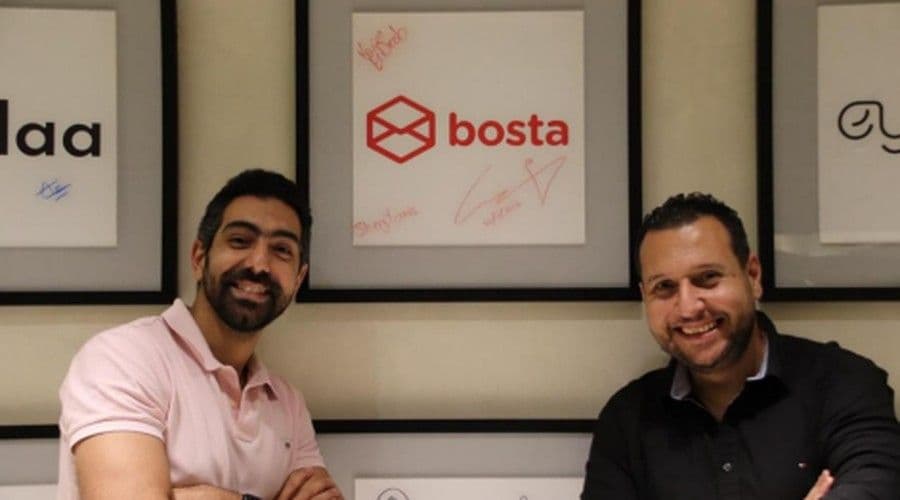
Bosta was founded in 2017 by Mohamed Ezzat, at a moment when e-commerce in Egypt and the wider Arab world was growing faster than the infrastructure to deliver it. The company built technology-enabled logistics and last-mile delivery for businesses across several markets, turning a messy operational problem into a scalable platform. Khwarizmi backed Bosta three times, starting with its Series A and later leading one of the follow-on rounds. The buyer, the transaction value, the stake sold and Khwarizmi's remaining position were not disclosed. What the firm did say is that it has now returned capital to its Fund I investors twice in under five years since launch — a pace that most emerging-market VCs can only dream of.
To understand why this matters, you have to know who Khwarizmi is. It is a Saudi venture firm led by managing partner Abdulaziz AlTurki, operating out of the Kingdom but hunting deals across the Middle East and North Africa. Unlike some Gulf funds that prefer late-stage or mega-rounds, Khwarizmi has built its reputation on early-stage bets in regional tech — fintech, logistics, marketplaces, e-commerce enablers. Its exits span Saudi, the UAE and Egypt, which gives it a genuinely cross-border portfolio. Bosta, in particular, is a Cairo story. Egypt has one of the region's largest populations and most chaotic delivery markets, and companies like Bosta have had to fight for every street corner and warehouse. A Saudi fund backing an Egyptian company through multiple rounds, then exiting at a profit, is a small but meaningful vote of confidence in Egypt's private sector — even as the country's macro economy has been through brutal currency devaluations and inflation spikes.
This deal also reflects a broader shift in Middle East wealth. The region's oil-rich states are no longer content to be passive investors in global tech. They are building domestic venture ecosystems, and they are doing it by funding neighbours. Khwarizmi's model — Saudi capital, regional founders, early-stage risk — is becoming the template for a new generation of Gulf funds. The fact that it has achieved six exits, including a partial one in a logistics company, suggests that the pipeline of liquidity is real. For international readers who track capital flows, this is a reminder that the Middle East's wealth story is not just about Aramco IPOs or Dubai real estate. It is about Saudi funds writing cheques to Egyptian startups and then actually getting money back — twice, in less than five years.
What comes next is the harder part. Partial exits are often a hedge, a way to return some capital while keeping upside. Khwarizmi still holds a stake in Bosta, and the company is clearly aiming at further regional expansion. The founders talk about supporting thousands of businesses and enabling commerce across multiple markets. For the region's startup scene, the real test is whether this becomes a pattern — more exits, more distributions, more recycling of capital into new funds. If Khwarizmi can keep doing this, it will prove that venture investing in the Arab world is not a lottery ticket but a repeatable asset class. For Bosta, the next chapter will be about defending its turf in Egypt while pushing into new geographies, likely with Saudi money watching closely. For everyone else, the lesson is simple: in the Middle East's new economy, the exits are starting to match the hype.