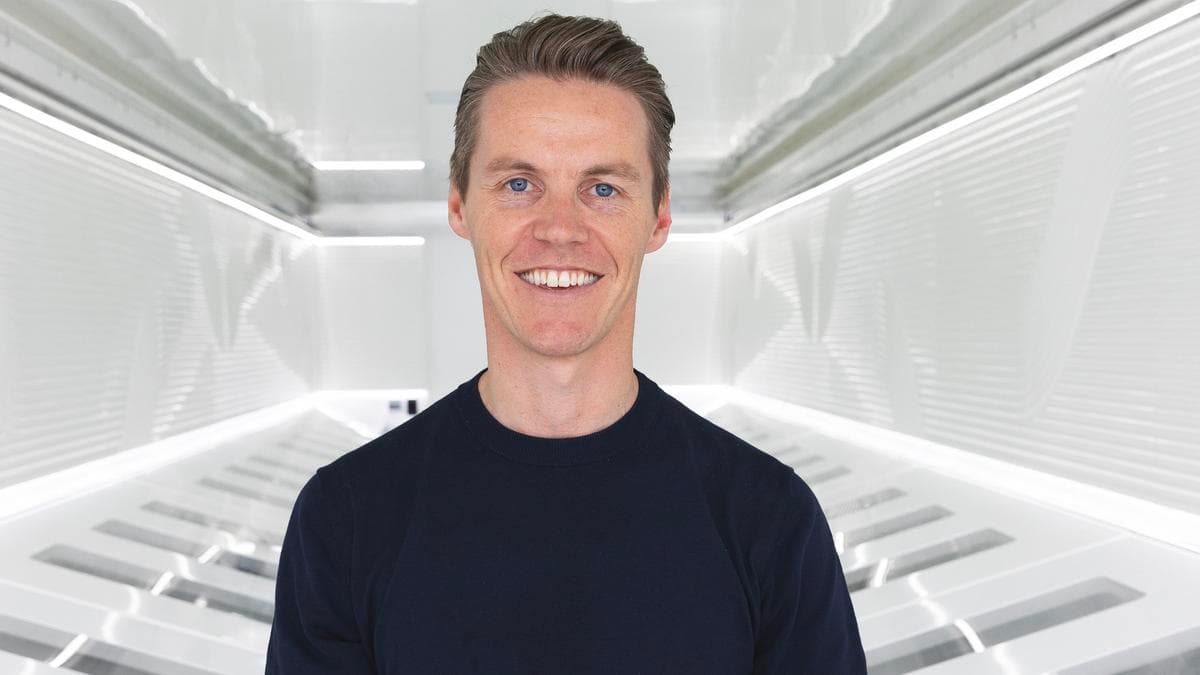
São Paulo Gets the Band Back Together: How a Portuguese Startup Is Rewiring Corporate Culture in Latin America
Brands like Bands brings its team-building music festivals to São Paulo, betting that Brazilian warmth will turbocharge a global corporate culture movement.
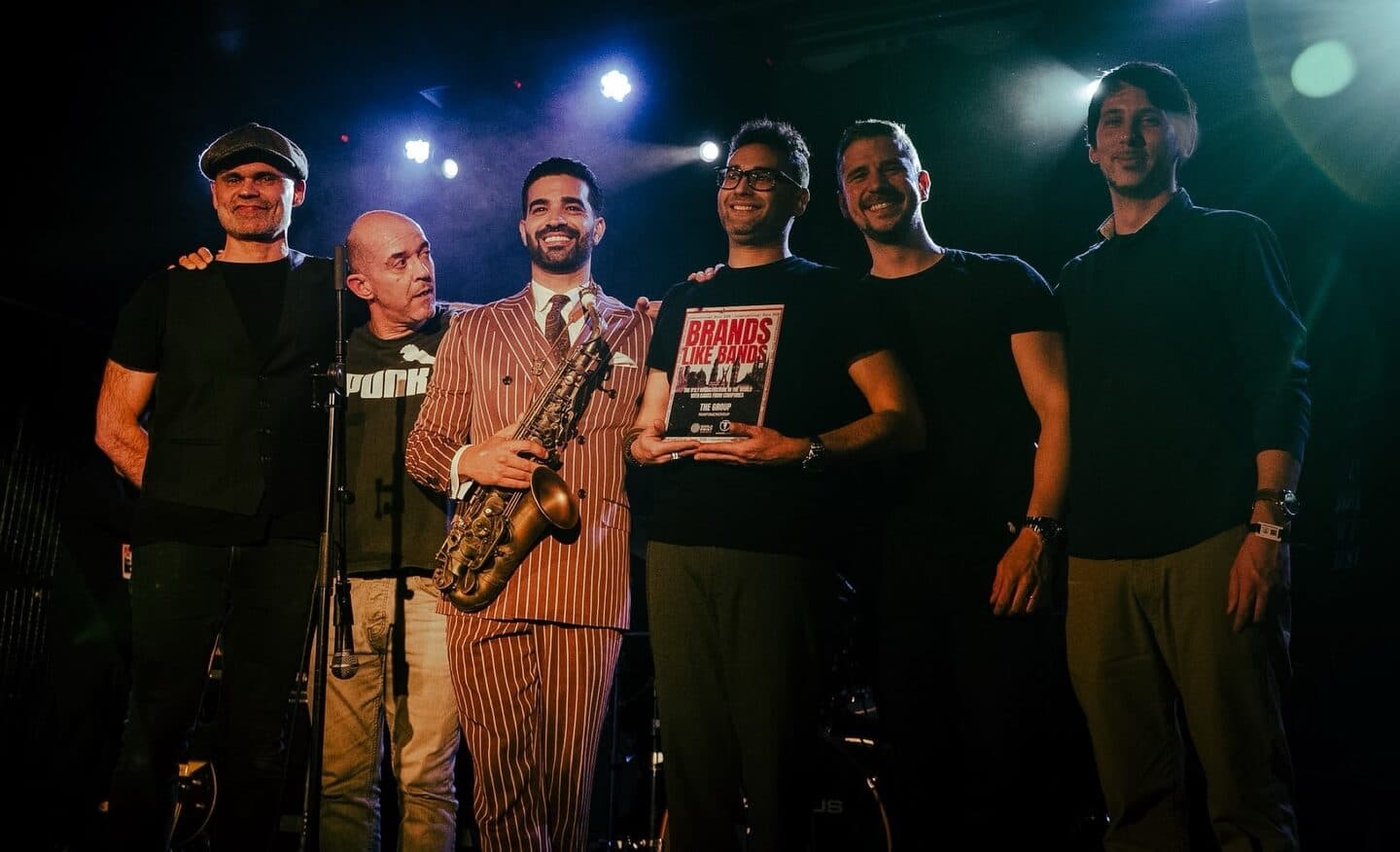
For anyone who has watched South American companies spend fortunes on ping-pong tables and beanbag chairs in a desperate bid to mimic Silicon Valley's vibe, the arrival of a different kind of team-building ritual feels almost subversive. Forget the foosball; the new corporate bonding tool is a drum kit. A Portuguese movement called Brands like Bands, founded by Fernando Gaspar Barros, is betting that the fastest way to align a workforce is not another agile workshop, but a shared stage. And this year, after stops in Porto and a tour through seven countries, it is landing in São Paulo on April 26, bringing its peculiar gospel to the continent's most corporate city.
The premise is disarmingly simple: most professionals, whether they code for a fintech or crunch numbers at a bank, were once teenagers with a guitar in their bedroom. Gaspar Barros, the founder and CEO, built his company on the idea that this dormant passion—usually left in the garage—can be the glue that binds teams that otherwise only meet in conference rooms. The festivals are not corporate karaoke nights; they are structured events where employees from different departments, often strangers, are thrown together into bands, forced to listen, follow a tempo, and produce something coherent in front of an audience. It is a metaphor made literal, and it is one that Horasis, the global think tank, recently flagged as one of the ten projects to watch in 2026.
The choice of São Paulo as the Latin American stop is not accidental. Brazilian organizational culture, long celebrated for its warmth, informality, and improvisational flair, is the perfect petri dish for this experiment. Where a Nordic team might find the exercise awkwardly performative, a Brazilian team is more likely to embrace the chaos, turn it into a celebration, and actually enjoy the vulnerability. The local edition will be hosted in partnership with Hard Rock Cafe, which gives the event a global brand sheen while keeping the gritty, live-music energy that makes it work. For international readers, understand this: São Paulo is not just Brazil's financial capital; it is a city of 12 million where music is a survival mechanism, from the samba circles in the periphery to the corporate happy hours in Faria Lima.
This movement arrives at a moment when Latin American wealth is undergoing a quiet transformation. The region's old money—commodities, real estate, family conglomerates—is increasingly rubbing shoulders with a new generation of tech founders and service-industry leaders who understand that human capital is the only durable asset. In an era of AI-driven efficiency, where algorithms can optimize supply chains and automate customer service, the one thing machines cannot replicate is collective creativity. Gaspar Barros has been explicit about this: culture is a business asset, and creativity within companies is often hidden, but it is the most powerful connecting force they have. For South American firms that have historically struggled with high turnover and disengaged middle management, this is not a luxury; it is a competitive edge.
The broader signal here is that South America is no longer just a market for imported corporate trends from the US or Europe; it is becoming a proving ground for them. The fact that Brands like Bands chose São Paulo over, say, Mexico City or Buenos Aires for its Latin American debut speaks to Brazil's gravitational pull in the regional business ecosystem. It also reflects a shift in how capital is being deployed: rather than just funding technology, investors and executives are starting to fund culture. The festival's tour, which will also hit Oulu in Finland as the European Capital of Culture, is a reminder that this is a global conversation, but the Brazilian leg will be watched closely to see whether the model can survive contact with a workforce that already has music in its veins.
When the last chord fades in São Paulo, the real test will begin. Can a company that learns to play in harmony actually innovate better? Gaspar Barros is betting that the answer is yes, and he is not alone. As automation strips away routine tasks, the only authenticity left to any organization is its people's ability to improvise together. In a continent where business has often been a serious, top-down affair, the idea that a shared chorus might unlock productivity is both refreshing and, to some, absurd. But that absurdity is precisely the point. The companies that get it will be the ones that sound good, not just look good on a spreadsheet. And for now, the band is just getting warmed up.