The Quiet Takeover: Why the World’s Sharpest Money Is Buying Britain’s Industrial Crown Jewels
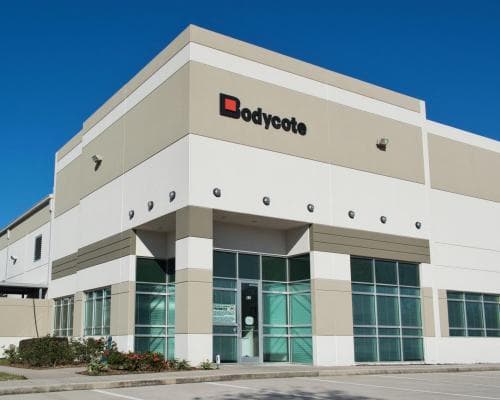
There’s a peculiar thrill in watching a master craftsman at work—especially when the craft is invisible to the naked eye. I’m not talking about a bespoke tailor or a Swiss watchmaker. I’m talking about Bodycote, a quiet giant in the Cheshire countryside that makes jet engine blades tough enough to survive the hellfire of a Rolls-Royce turbine. For decades, this was the kind of company that the wealthy ignored: steady, unglamorous, and brilliantly essential. Now, it’s the center of a £1.85bn tug-of-war between two of the world’s most aggressive buyout firms. And if you’re paying attention, it tells you everything about where smart money is heading—and why the old rules of ownership are crumbling.
The deal, announced on a Tuesday that barely registered in Westminster, sees US private equity firm Veritas offer 940p a share for Bodycote, a FTSE 250 stalwart. That’s a 25% premium to the pre-bid price—hardly the stuff of hostile takeover lore. But here’s the twist: the market is betting on a richer offer. Bodycote’s shares closed at 955p, above the bid, because European rival CVC is circling. This isn’t a distressed fire sale; it’s a strategic chess match over the future of metallurgy. Bodycote doesn’t just heat-treat metal; it’s the world’s largest provider of specialist thermal processes—coatings that let a single blade withstand temperatures that would melt steel. In an era of reindustrialisation, this is the quiet infrastructure of modern flight.
Let’s talk about the price, because that’s where the story gets truly fascinating. At 940p, Veritas is paying roughly 10 times forward earnings—a figure that RBC analysts note is merely in line with Bodycote’s ten-year average. That’s not a steal; it’s a fair price for a company with a 38-year record of growing or maintaining its dividend and £120m in recent share buy-backs. The board’s own announcement reads like a love letter to the company’s strategy—an “optimise, perform, grow” plan that’s already boosting operating margins toward 20% and returns on capital above 15%. Then, almost as an afterthought, they mention “structural challenges” in automotive markets and “macroeconomic uncertainties.” That’s the kind of hedged language you use when you’ve already decided to sell, but want to keep your options open.
What’s really happening here is a tale of two markets. Bodycote sits in that unloved slice of the London Stock Exchange—companies valued between £1bn and £5bn that lack the attention of mega-cap investors and the liquidity of the big boys. For private equity, this is the sweet spot: mature, cash-generative, and strategically vital, yet too small to command a premium from public markets. Veritas and CVC aren’t buying a company; they’re buying a monopoly on a skill that’s becoming more critical as aerospace and defence expand. The UK government talks about reindustrialising, but the real action is happening in boardrooms, where foreign capital is quietly snapping up the very firms that make reindustrialisation possible.
For the ultra-wealthy, this deal is a signal. It says that the next decade’s fortunes won’t be made in flashy tech or speculative crypto—they’ll be made in the gritty, essential businesses that keep the world moving. Heat treatment isn’t sexy, but it’s indispensable. And when private equity starts fighting over a company like this, you know the smart money has already done its homework. The question isn’t whether Bodycote will be sold; it’s whether the British public will ever notice that its industrial crown jewels are being quietly polished by foreign hands. For now, the answer seems to be no—and that’s precisely why the buyers are smiling.
Looking ahead, expect more of these deals. The UK market’s mid-cap segment is a buffet of underappreciated engineering firms, each with a niche that global giants covet. For the discerning investor, the play isn’t to chase the bid—it’s to identify the next Bodycote before the knock on the door. That means looking at companies with irreplaceable technology, loyal customers, and the kind of cash flow that lets you sleep at night. The luxury of certainty is rare, but it’s out there, hidden in plain sight. And if you’re lucky enough to own a piece of it, you might just find yourself on the winning side of the next takeover—no passport required.
The Experience
To position yourself ahead of the next industrial takeover, consider a private portfolio review with a specialist in UK mid-cap engineering assets—where patience meets precision.