Prince Harry's African Parks Exit: The ESG Reckoning Hitting Big Conservation Money
The Duke of Sussex has resigned from African Parks' board after a damning review confirmed rangers' human rights abuses against the Baka people—a stark reminder that reputational risk is now a balance-sheet issue for billionaire-backed conservation ventures. For wealthy donors and impact investors, the episode signals a hardening due-diligence regime around 'green' assets.
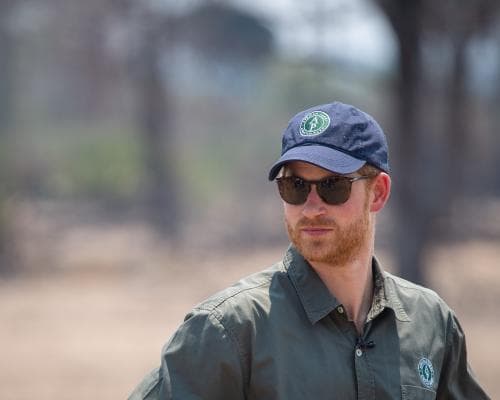
Prince Harry just quit the board of one of Africa's most prestigious wildlife charities—and for anyone who moves serious money, the real story is not the royal drama. It's the collision between conservation's glossy ESG pitch and the brutal human cost that can hide underneath. The Duke of Sussex stepped down as a trustee of African Parks after the organization admitted that its rangers in the Republic of the Congo tortured and raped members of the Baka community—people who were simply trying to access their ancestral forests. That's not a PR headache. That's a liability event.
For the wealth desk, think of African Parks as a kind of private-equity vehicle for nature. It manages 22 protected areas across 12 countries, covering more than 20 million hectares—an area roughly the size of Great Britain. Its backers include major philanthropic foundations, billionaires, and even the Dutch government. The charity's model is to take over national parks, professionalize their management, and fund them with tourism revenue and donor capital. But when the operator of an asset like that is caught in a human rights scandal, the entire structure—financial and reputational—starts to wobble.
The mechanics of this particular crisis are instructive. African Parks commissioned an independent review after the Mail on Sunday published allegations from the Baka community in 2024. The review confirmed that rangers used beatings, waterboarding, and rape to stop locals from entering the Odzala-Kokoua National Park. The charity then issued a statement acknowledging the abuses and promised to strengthen its safeguarding processes. But for Harry—who had been president for six years before joining the board in 2023—the damage was already done. His spokesperson said he remains a 'supporter' of the mission, but he's out. That's what a reputational firebreak looks like.
Here's the capital angle: this is exactly the kind of event that should make any allocator pause before writing a check to a conservation fund. The ESG boom has funneled billions into nature-based assets, from carbon credits to wildlife corridors, often with less scrutiny than a typical infrastructure deal. The Baka case shows that 'green' does not automatically mean 'clean.' If a well-funded, professionally managed charity like African Parks can have rangers waterboarding people, imagine what's happening in less visible operations. For wealth managers, this is a due-diligence red flag that should be waved in front of any client with a conservation mandate.
The timing is also telling. Harry's exit comes just as African Parks is trying to scale further, with plans to expand its portfolio and attract more institutional capital. A high-profile resignation from a royal board member—someone who brought global media attention and celebrity donor appeal—could chill fundraising. It's not a financial number you can put in a spreadsheet, but it's a real cost. The charity will now have to spend more on compliance, legal defense, and community relations, all of which eat into the money that could go toward actual conservation. That's the hidden tax on reputational risk.
For the wealthy individuals and family offices who back these ventures, the lesson is blunt: you can't outsource your values. Whether you're investing in a safari lodge, a carbon offset program, or a wildlife trust, the operational realities on the ground matter as much as the glossy annual report. The Baka community's allegations were not new—they were raised for years before the review. The fact that it took a media exposé to trigger action is a warning about how slow the governance machinery can be.
What comes next? African Parks will likely survive—it has too much institutional support to collapse. But the episode will accelerate a broader shift in the philanthropy world: donors are now asking harder questions about who is guarding the guards. Expect more independent audits, more community consent requirements, and more legal liability clauses in conservation funding agreements. For the wealthy, that means higher costs and slower deals, but also a more defensible way to do good. And for Prince Harry? He's moved on, but the shadow of this scandal will follow him—and the money—for years to come.