Poetry Is Now a Growth Asset: Homer’s Comeback and the Instapoet Economy
Martin Amis once imagined a world where screenwriters scraped by on pennies while poets were global superstars. That fiction is now fact—or close to it. The film industry is bleeding, and poetry is booming. The Bookseller reports poetry sales at an all-time high, and the numbers are enough to make any portfolio manager sit up. This is not a niche literary quirk. This is a cultural asset class quietly compounding.
The catalyst? Christopher Nolan’s The Odyssey. The film has made Homer hot again, and the ripple effect is measurable. Editions of The Odyssey and The Iliad have pulled in nearly £1 million in UK book sales this year alone. That is a stunning figure for texts written nearly three millennia ago. But Nolan’s movie is only part of the story. Strip out the Homer effect, and poetry sales are still up 7.2% from a historically high base. That is not a blip. That is a trend.
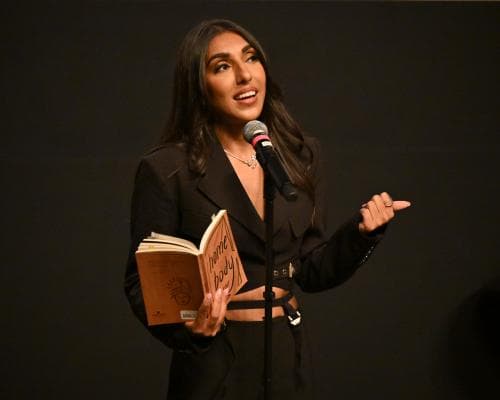
The real engines of this boom are not the canonical giants—Berryman, the Brownings, Marvell, Milton, Pope, Pound. Those names remain the province of university syllabi and dwindling English lit departments. The new money is flowing to a different breed: Instagram poets. Donna Ashworth, Rupi Kaur, Amanda Lovelace, and Lucas Jones are the modern bards, and their numbers are eye-opening. Jones’s collection, I Still Believe in Miracles, has netted £400,000 in sales this year. That is a mid-six-figure haul for a poet who introduces his work with a line like, “Maybe you kinda feel how I feel.”
The mechanics here are worth a closer look. These poets are not building careers on critical acclaim. They are building audiences on accessibility, emotional immediacy, and algorithmic reach. Their verses are short, shareable, and designed for the feed. They skip the gatekeepers—publishers, critics, prize juries—and go straight to the consumer. The result is a direct-to-fan economy that would make any DTC startup envious. The margins are lean, but the volume is real, and the loyalty is fierce.
What does this mean for the wealthy? First, it is a reminder that cultural capital is shifting. The institutions that once conferred status—print reviews, literary prizes, academic endorsements—are losing their grip. In their place, platforms like Instagram and TikTok are minting new tastemakers. For investors, this opens a door into an asset class that is still undervalued by traditional metrics. Poetry rights, like music catalogs, could become a niche but viable income stream. The key is to spot the poets who can sustain an audience beyond a single viral moment.
Second, the boom signals a deeper hunger. In a world of market chaos and political noise, people are paying for clarity. The Instapoets offer a kind of emotional liquidity—quick, relatable, and easy to consume. That is not a criticism. It is a market signal. The same forces that drove the rise of self-help and mindfulness are now reshaping literature. The wealthy, who often pay for insight, should pay attention.
Finally, there is the Nolan factor. A single film can move millions in book sales, proving that cross-media synergy is alive and well. The lesson for capital allocators is simple: narrative drives value. Whether it is a blockbuster movie or a viral poem, the story is the product. The smart money is already following the story, and right now, that story is in verse.