NRW Holdings cashes in on a record year, and the real engine is not the mine
NRW Holdings posts record earnings and a higher payout, with its Fredon arm leading growth beyond mining.
For anyone tracking where serious money moves in Oceania, the annual scorecard of NRW Holdings is not just a balance sheet—it is a weather vane for the region's industrial backbone. And this year, the vane is pointing somewhere unexpected. The Perth-based contractor has just posted record full-year earnings and lifted its dividend, but the headline number is only half the story. The other half is a quiet revolution happening inside the company, one that says a lot about where Australian capital is heading.
The numbers, as reported by The West Australian, are straightforward: NRW Holdings, a name long synonymous with big-ticket mining earthworks, delivered its strongest ever annual profit. Management responded by increasing the shareholder payout, a move that signals confidence not just in the current cycle but in the years ahead. The engine behind that confidence, according to the company, is Fredon—a business that, to the uninitiated, might seem like an odd sidecar to a mining contractor. Fredon is an electrical and communications services provider, a world away from haul trucks and blast holes, yet it is now the growth engine humming at the heart of NRW's portfolio.
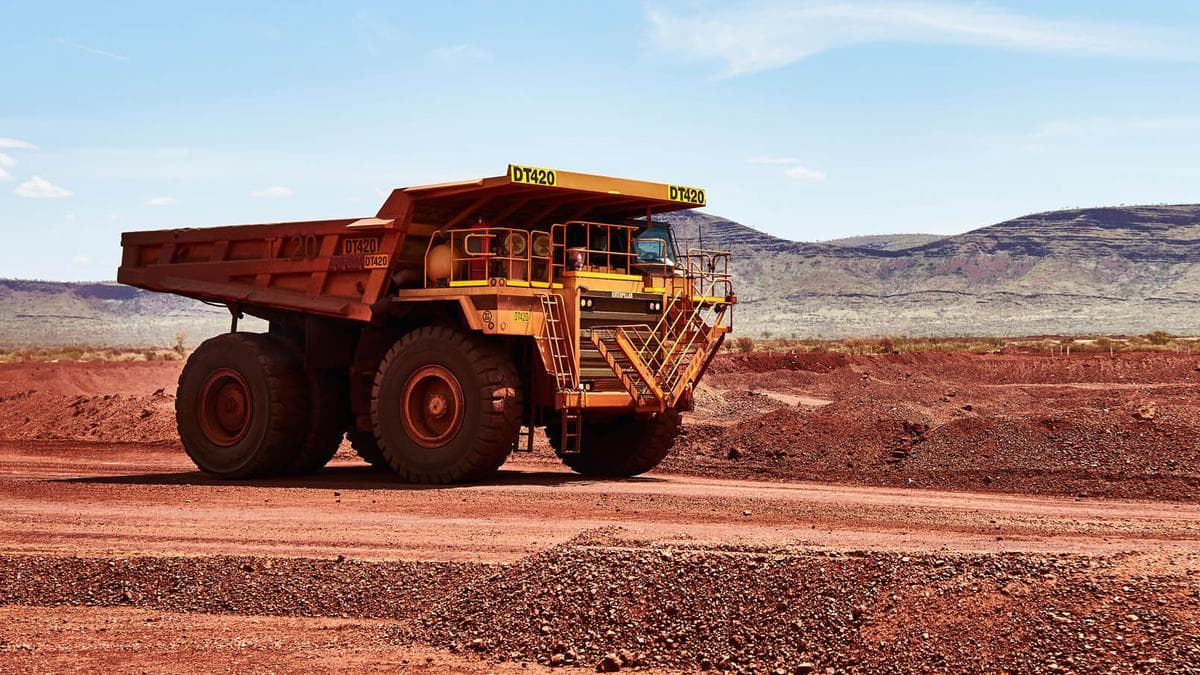
To understand why this matters, you need to know a little about the landscape NRW operates in. Western Australia is the engine room of the national economy, a state whose fortunes have historically risen and fallen with iron ore, gold, and lithium. NRW has been part of that rhythm for decades, carving out a reputation as the go-to contractor for the heavy lifting—quite literally—of mining projects across the Pilbara and beyond. But the state, and the broader Oceania region, is in the middle of a structural shift. The easy wins from bulk commodities are giving way to a more complex, electrified, and digitally wired industrial future. Mines are becoming smarter, ports are automating, and the energy grid is being rebuilt to accommodate renewables. That is where Fredon comes in.
Fredon brings NRW into the world of electrical infrastructure, communications networks, and the kind of high-voltage, high-stakes installation work that keeps modern industry humming. It is a diversification play, but not the scattered, opportunistic kind that often fails. This is a deliberate move up the value chain, positioning NRW to capture the spend that comes after the earth is moved—the wiring, the controls, the connectivity that turn a hole in the ground into a functioning, data-driven operation. For investors, the message is clear: NRW is no longer just a pick-and-shovel play on commodity prices. It is a broader infrastructure bet on the reindustrialisation of Australia.
What does this tell us about capital and wealth in Oceania? For one, the smart money is hedging. The region's billionaires and institutional investors have long made their fortunes on the back of raw materials, but the new generation of wealth is being built on the services and technology that support those materials. NRW's record year, and its decision to reward shareholders, suggests that the market is rewarding this hybrid model—one that can ride a mining boom while also tapping into the steady, government-backed spending on energy transition and digital infrastructure. It also underscores a broader truth about the Australian economy: the line between mining and technology is blurring, and the companies that straddle both are the ones to watch.
Looking ahead, the question is not whether NRW can sustain its record pace, but whether Fredon can keep growing fast enough to offset any downturn in the mining cycle. The company is betting that the electrification of everything—from mines to cities—will provide a decade-long tailwind. For the rest of Oceania, the lesson is simple: the fortunes of the region are no longer tied solely to what is dug out of the ground, but to how it is powered, connected, and controlled. NRW Holdings has placed its chips on that future, and for now, the bet is paying off handsomely.