Nigeria's banks quietly pivot: agriculture loans hit N3.86trn as oil credit shrinks
Nigeria's bank lending to agriculture hits N3.86trn in March 2026, while oil and gas credit drops N335bn — a quiet realignment of capital.
For anyone tracking where Africa's biggest economy is actually placing its bets, the Central Bank of Nigeria's latest quarterly numbers are a quiet revelation. In March 2026, bank credit to agriculture reached N3.86 trillion — a steady climb from N3.71 trillion in January — while lending to the oil and gas sector shrank by N335 billion over the same three months. The direction of travel is unmistakable, and it is not the story Nigeria's treasury officials would have told you a decade ago.
The shift is incremental but meaningful. Agriculture credit ticked up month by month: N3.71 trillion in January, N3.81 trillion in February, N3.86 trillion in March. Oil and gas, long the dominant recipient of sectoral lending, went the other way. Overall private sector credit barely moved — N75.24 trillion in January to N75.62 trillion in February — meaning the reallocation is happening within a largely static pool of lending. Banks are not splashing new money around; they are choosing different borrowers. That is a more significant signal than any headline growth figure.
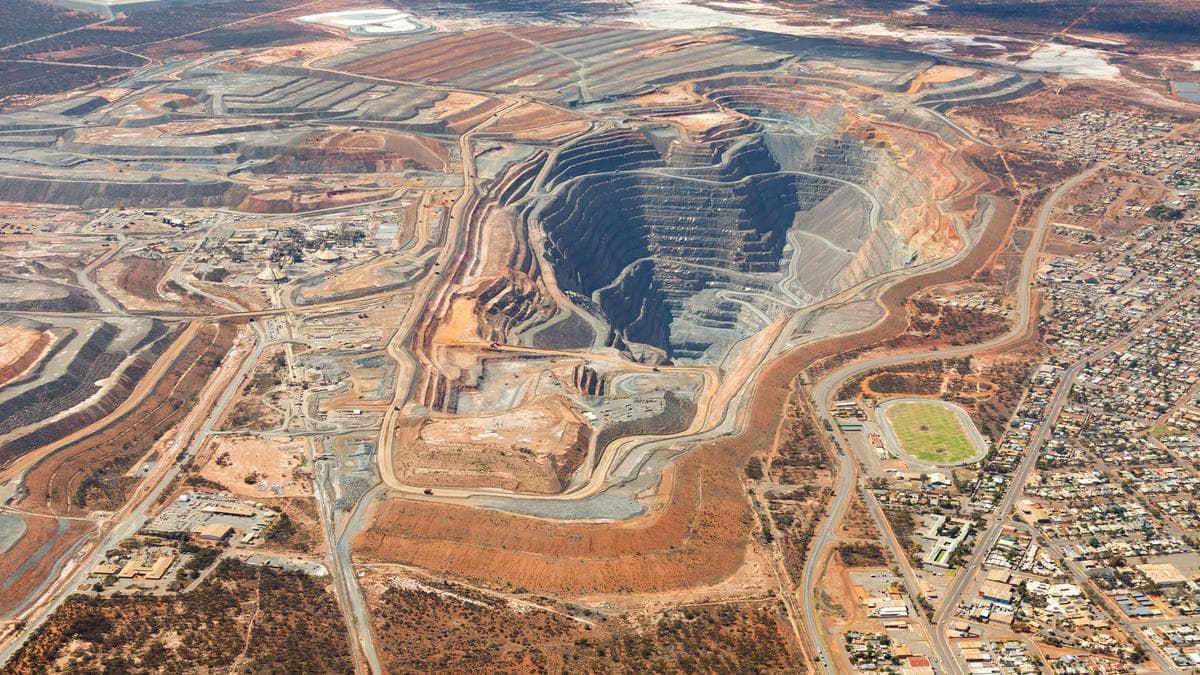
To understand why this matters, you have to grasp the peculiar anatomy of Nigerian credit. The country's banks have historically treated oil and gas as the safest bet in a volatile economy — dollar-linked revenues, government backing, and a global market that always needs crude. Agriculture, by contrast, was the sector everyone praised at conferences but few financed: smallholder farmers without collateral, erratic weather, and a supply chain that punishes patience. The CBN has spent years pushing lenders toward food production, with mixed results. Now the data suggests the push is finally sticking — not because of regulatory fiat alone, but because oil lending has become less attractive amid exchange rate volatility and policy uncertainty.
The broader context is a Nigerian economy still wrestling with inflation and high borrowing costs. The Monetary Policy Committee cut its benchmark rate to 27% in September 2025 — a 50-basis-point nudge meant to stimulate activity — then held it there in November, torn between supporting growth and containing price pressures. Credit to the government, meanwhile, jumped to N35.77 trillion in February from N34.19 trillion in January, a reminder that the state remains the most reliable borrower in the room. Against that backdrop, banks moving even a fraction of their exposure from crude to cassava, maize, and cocoa is a calculated hedge — a bet that food security will outlast the next oil price cycle.
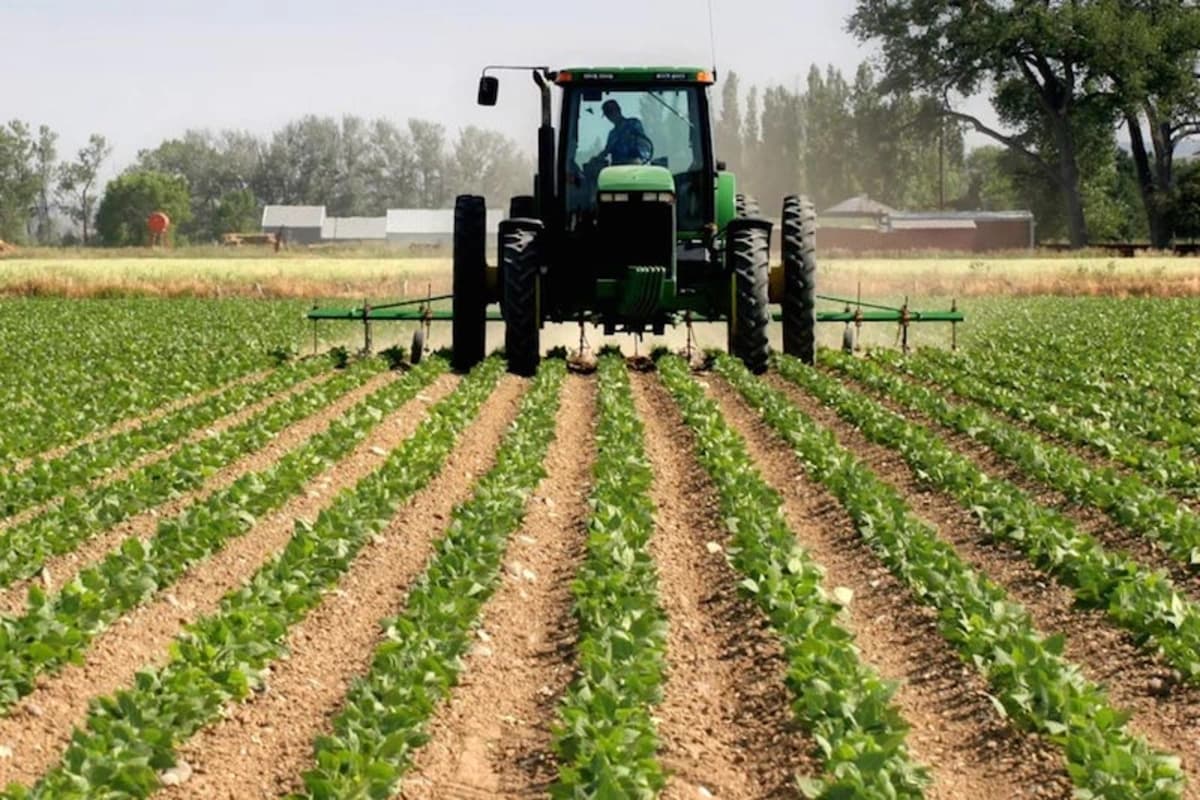
What does this signal for capital in Africa? For one, it suggests that Nigerian lenders are starting to price risk differently. Agriculture is no longer a charity case; it is becoming a portfolio diversifier. The country imports heavily, so local food production has a captive market, and the government's new National Agric Mechanisation Policy — targeting a 4,000-capacity tractor plant — signals state intent to industrialise farming. But the constraints remain real: persistent inflation, a volatile naira, and a lending appetite that still flinches at long gestation periods. The March figure is the highest in the quarter, but whether it holds or accelerates depends on whether the CBN can keep inflation from eating the margins.
For international readers who track African wealth, this is not just a Nigerian story. It is a template for how capital moves in a resource-dependent economy when the resource loses its shine. Banks are not abandoning oil — it still commands one of the largest shares of sectoral credit — but they are quietly building a second engine. The next two quarters will tell whether this is a blip or a structural shift. If agriculture credit keeps climbing while oil lending stagnates, the message is clear: Nigeria's financial class is preparing for a future where food, not crude, is the collateral that counts.