Montara's New Custodians Raise the Stakes for WA's Offshore Oil Patch
After Triangle and Pilot collapse, Jadestone's Montara platform raises fears about junior operators in WA's aging offshore oil fields.
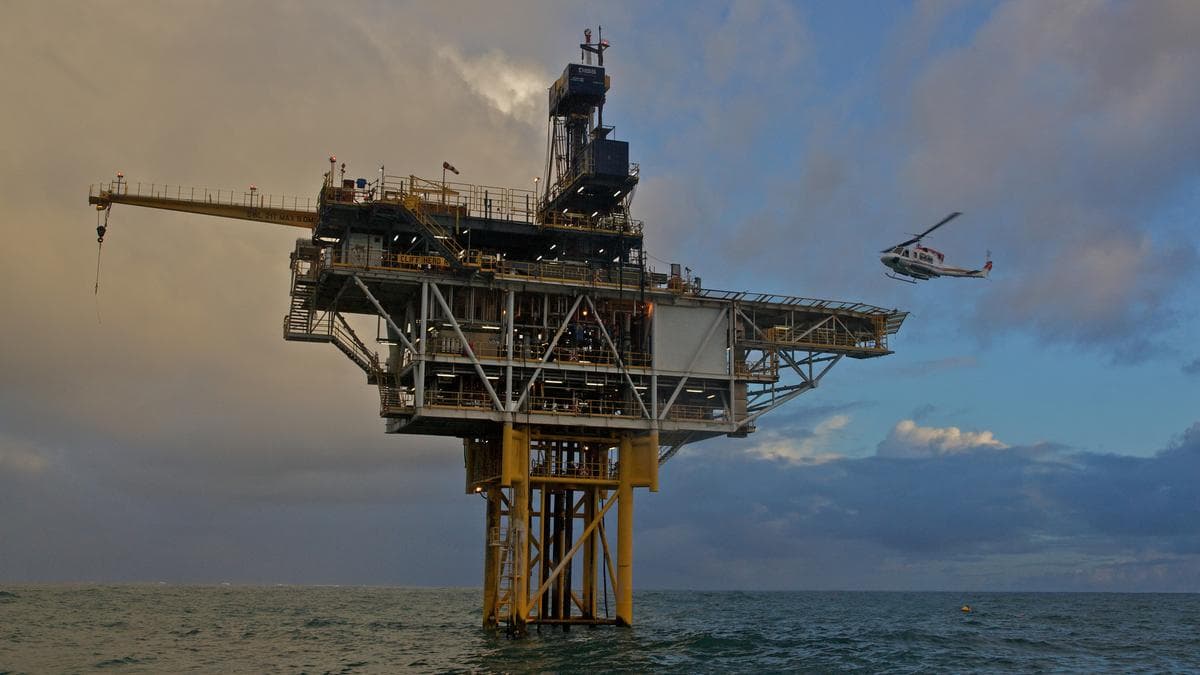
For anyone tracking the movement of capital in Oceania, the offshore oil fields of Western Australia have always been a bellwether. But the recent collapse of two junior operators, Triangle Energy and Pilot Energy, has sent a chill through the sector, and now the spotlight has turned to Jadestone Energy and its aging Montara platform. This isn't just a story about one rig; it's a story about who is left holding the keys to some of the country's most complex and costly energy infrastructure, and whether the financial firepower matches the engineering challenge.
The news, broken by The West Australian, is that Jadestone's Montara is now a focus of concern among industry observers who worry about the fate of WA oil platforms in the hands of smaller players. This follows the dramatic failures of Triangle and Pilot, both of which had been trying to develop or manage offshore assets. The implication is clear: if these juniors can't survive the financial and regulatory grind, what does that mean for Jadestone, which has taken on the mantle of operating Montara, a field that is well past its prime and requires constant investment to keep producing safely?
To understand why this matters, you have to step back and look at the landscape. Western Australia's offshore oil industry was built by giants—companies with deep pockets and decades of experience. But as the big players have pivoted to newer, more lucrative projects or shifted toward gas and renewables, the older, smaller fields have been offloaded to a new class of owner. These are often Singapore-listed or private equity-backed juniors like Jadestone, which specialise in squeezing value out of mature assets. It's a clever financial play, but it carries inherent risks. Montara is a case in point: it's a remote platform in the Timor Sea, notoriously difficult to operate, and it has a history that includes a fatal accident in 2009. The margin for error is thin, and the cost of failure is not just financial—it's environmental and reputational.
The collapse of Triangle and Pilot has exposed the fragility of this model. Both companies were relatively small, with limited cash flows, and both struggled to manage the regulatory burden and operational costs of their assets. Their failures have left a mess of unpaid liabilities and stranded assets, and they have spooked investors and regulators alike. Now, the same questions are being asked of Jadestone. The company has been vocal about its ambitions to grow in the region, but its balance sheet—while not in immediate danger—is not the kind that easily absorbs the shocks of a major platform breakdown or a sharp drop in oil prices. The fear is that Montara, which produces a modest but meaningful amount of oil, could become a liability rather than an asset.
This is not just a corporate drama; it's a signal about the direction of wealth and capital in Oceania. The region has long been a resource economy, but the nature of that economy is shifting. The easy oil is gone, and what remains is harder to extract, more expensive to maintain, and increasingly scrutinised by environmental regulators. For the wealthy families and investment funds that back these junior operators, the allure is the potential for outsized returns. But the reality is that the risk profile has changed. The collapses of Triangle and Pilot have already burned some investors, and the fear is that Jadestone could be next, dragging down not just its shareholders but also the broader perception of WA as a stable place to invest in energy infrastructure.
Looking ahead, the next few months will be telling. Jadestone has a chance to prove the doubters wrong by running Montara safely and efficiently, and by showing that it has the financial discipline to manage the inevitable ups and downs. But the industry is watching closely, and the lessons from Triangle and Pilot are fresh in everyone's minds. For those of us who track the flow of capital in this part of the world, the message is clear: the era of the junior operator in WA's offshore oil patch is on trial, and Montara may well be the case that defines the verdict. If Jadestone stumbles, it won't just be a company that fails—it will be a warning that the old model of resource wealth in Oceania is no longer fit for purpose.