Mexico's startup scene grows up: Endeavor sees a counter-cyclical boom
Endeavor Mexico's CEO says startups are consolidating, with AI adoption, corporate collaboration, and returning venture capital despite weak public support.
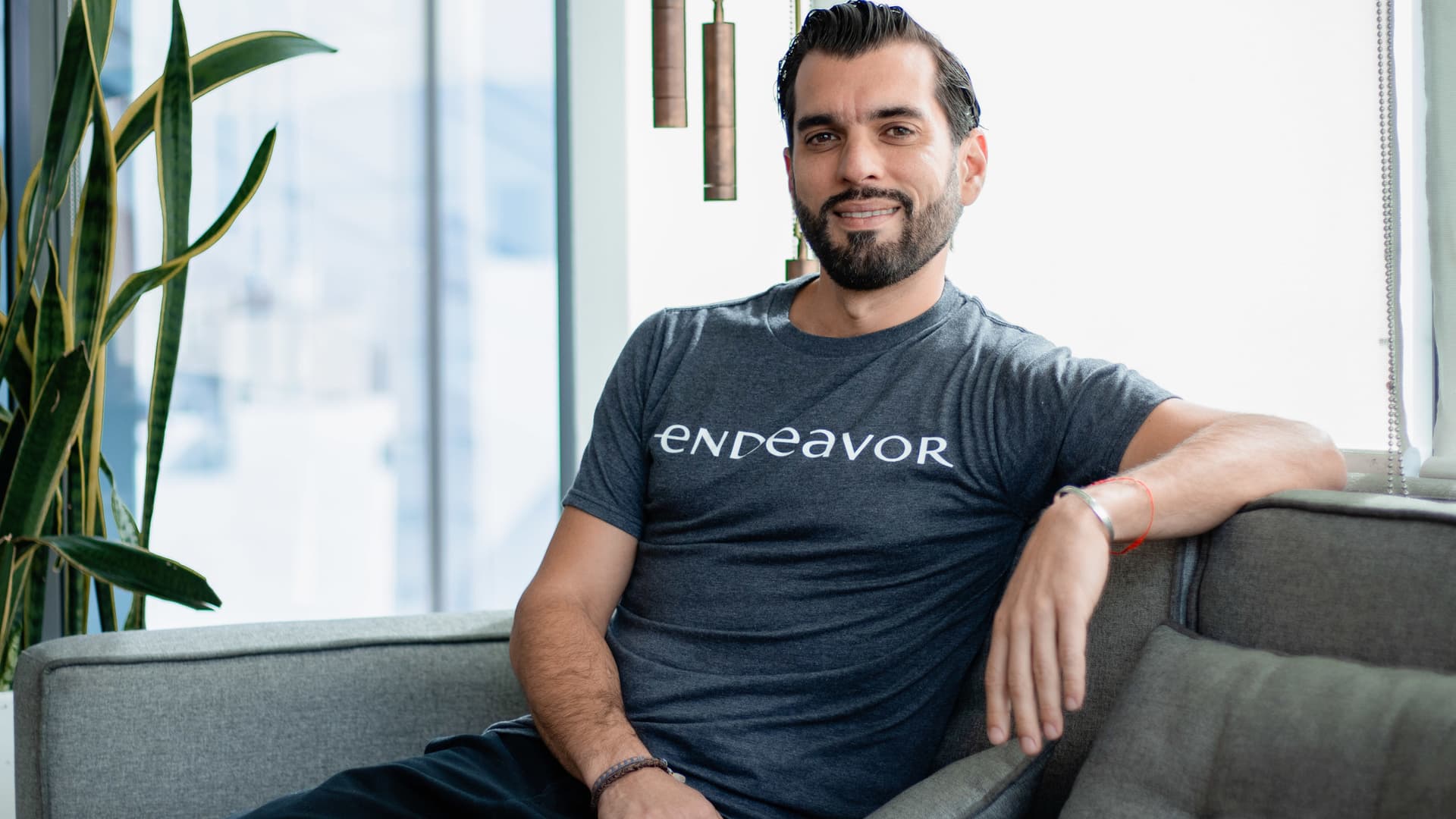
For anyone tracking where South American capital is headed, the noise out of Mexico City this year is not the usual hype. It is the sound of a startup ecosystem that has stopped chasing unicorn status and started building something sturdier. Vincent Speranza, the man running Endeavor's Mexican arm, puts it bluntly: after years of painful adjustments, the country's entrepreneurs are on an upward curve, and the next two years will be about consolidation, not fireworks.
The core story is one of maturation. Speranza, in a recent interview, described a Mexico where startups have learned to make hard decisions, where artificial intelligence is being adopted as a practical tool rather than a buzzword, and where the old hostility between young tech firms and lumbering corporations has given way to something more useful. Large companies, he says, are now actively seeking partnerships with startups, a shift that has opened a new wave of open innovation. That is a big deal in a market where corporate Mexico has traditionally been insular, preferring to build everything in-house rather than risk working with outsiders.
This is not happening in a vacuum, and the local context matters. Mexico's institutional support for entrepreneurs has been shaky at best. The National Entrepreneur Institute was dissolved, and the Association of Entrepreneurs of Mexico's own radiography shows a grim picture: business conditions scored just 2.8 out of 5, with over 70% of companies receiving no institutional help. Yet Speranza argues this is precisely why the ecosystem thrives. When the big players freeze, he says, the disruptors get moving. That counter-cyclical logic is deeply Mexican — a country that has learned to treat uncertainty as fuel rather than friction.
What an outsider should understand is that this is not the same Mexico that birthed the first fintech unicorns a decade ago. The venture capital that vanished after 2020 is creeping back, but it is pickier. Funds are no longer chasing growth at any cost; they want sustainable profitability. The sectors leading the charge are the ones that make sense for a large, dollarized, trade-heavy economy: fintech, e-commerce, and logistics, which feed off each other naturally. Meanwhile, proptech, legaltech, and sportech are stirring, with the 2026 World Cup and a hospitality boom promising to accelerate tourism-related tech.
There is also a regional dimension that should not be missed. Endeavor Mexico reports a notable influx of startups from Colombia, Chile, Argentina, and Brazil, all looking to use Mexico as a launchpad into the broader Latin American market. That is a vote of confidence in Mexico's position as the region's strategic hub, even as its own political climate remains volatile. For international investors, this signals that Mexico is no longer just a consumer market for foreign apps, but a genuine base for building pan-regional businesses.
Speranza is careful to dismiss the unicorn label as a means, not an end. That is a mature stance, and it reflects a broader shift across South America's startup scene, where the excesses of the 2019-2021 era have been replaced by a discipline that was sorely missing. He also points to climatech, healthtech, and edtech as "industries that matter" — sectors with the potential to address the country's most pressing social challenges, not just its consumer appetites.
Looking ahead, the message is cautiously optimistic. Capital is returning, talent is ready, and companies have learned to grow with discipline. The next two years, Speranza predicts, will be a period of consolidation. For those of us who watch wealth and business in South America, the takeaway is clear: Mexico's startup economy is no longer a sideshow. It is a central pillar of the region's capital flows, and it is doing so on its own terms, with or without the government's help. That is the kind of resilience that tends to outlast any political cycle.