Macmahon's $240m Ravensthorpe win digs deep into WA's gold future
Macmahon preferred for $240m underground contract at Ravensthorpe gold project, signalling a shift in WA mining services and mid-tier gold revival.

For anyone tracking where serious money moves in Oceania, the news out of Western Australia this week lands with the weight of a drill rig hitting ore. Macmahon Holdings, the Perth-based mining services veteran, has been named preferred contractor for a $240 million underground mining job at the Ravensthorpe gold project. It is not a done deal yet — no lock-in contract has been signed — but the designation alone tells you which way the wind is blowing through the red dirt of the Goldfields.
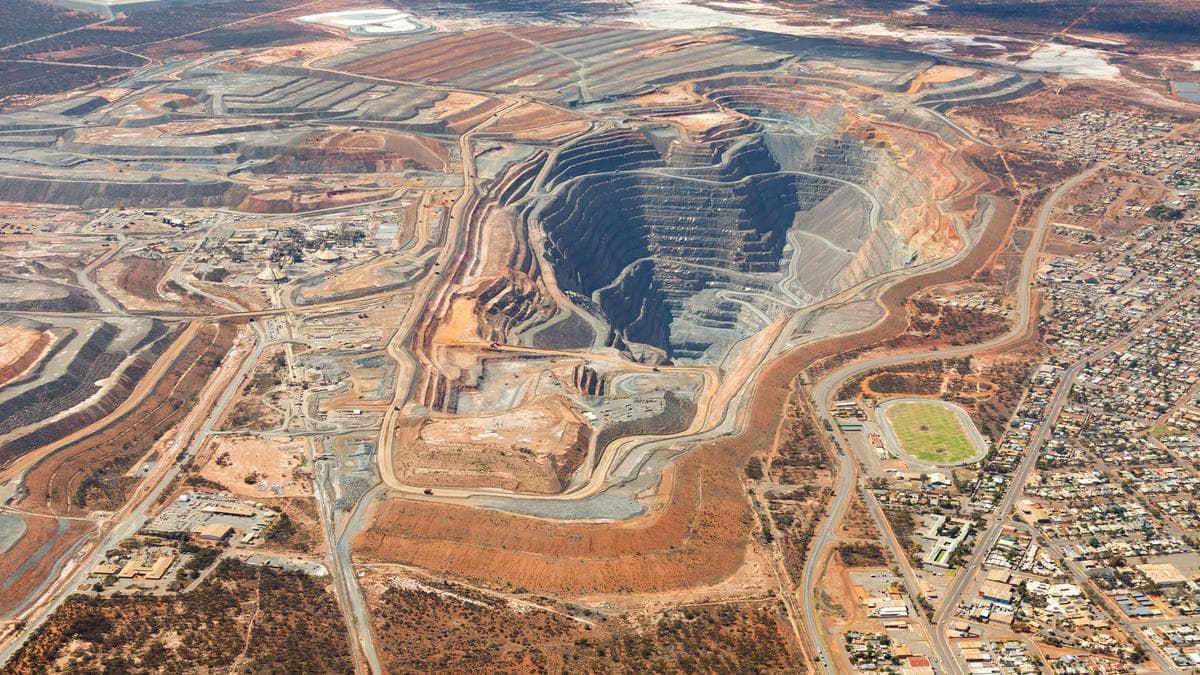
The project sits near Ravensthorpe, a town better known to outsiders for nickel laterites than for gold, but that is exactly the point. The deposit is being advanced by a mid-tier player, and Macmahon’s preferred status means the owner is serious about moving from feasibility to production. The $240 million figure, as reported by The West Australian’s Kalgoorlie Miner, covers the underground mining component only — not the processing plant, not the infrastructure, not the years of haulage that follow. For those who watch capital flows in this part of the world, that number is a signal, not a sum.
Macmahon is a name that does not make headlines in Sydney or Auckland boardrooms, but it should. The company has spent decades carving out a niche in contract mining, the gritty business of blasting, loading and hauling ore for owners who would rather not own trucks and tyres. It is a cyclical trade, tied to commodity prices and the willingness of juniors to spend. Winning preferred status at Ravensthorpe means Macmahon has convinced the project’s backers it can deliver underground work safely and on budget — a reputation that matters in a state where a single fatality can shutter a site for months.
Why does this matter beyond Western Australia? Because gold is the quiet backbone of the Oceania wealth story. While the world obsesses over lithium and rare earths, gold remains the region’s most reliable export earner, and Ravensthorpe is part of a broader revival of mid-tier deposits that were ignored during the last boom. The contract also signals that capital is flowing into underground development, which is more expensive and technically demanding than open-pit mining. That is a vote of confidence in the grade of the ore, and in the ability of Australian contractors to extract it profitably at current prices.
For the local economy, the ripple effects are tangible. Ravensthorpe is a small community that has seen booms and busts, and a $240 million underground contract means jobs — not just for miners, but for electricians, drillers, caterers and the fly-in, fly-out workforce that sustains regional towns. It also means Macmahon will be hiring, and in a tight labour market that is no small thing. The company’s preference status gives it a strong hand in negotiations, but the final award is not guaranteed, and a rival could still swoop in with a sharper bid.
What this deal really signals is a maturation of the Oceania mining services sector. Contractors are no longer just hired hands; they are partners in de-risking projects, often bringing their own equipment, expertise and safety systems to the table. For international readers, the takeaway is this: when a Perth-based contractor wins a preferred role on a gold project in a remote corner of Western Australia, it is not just a local story. It is a barometer for how confident the region’s capital providers are in the long-term price of gold, and in the ability of Australian firms to deliver complex underground work in one of the most isolated places on Earth.
The next few months will tell whether Macmahon converts preference into a signed contract, and whether Ravensthorpe hits its production milestones. For now, the smart money in Perth is watching the Goldfields with renewed interest. In a region built on boom and bust, the hum of underground machinery is the sound of capital choosing to stay.